Best Cargo Container Options for Global Buyers Today?
In today’s global economy, the cargo container industry plays a vital role in international trade. By providing a standard method for transporting goods, cargo containers facilitate shipping across various modes and distances. Choosing the right cargo container is crucial for businesses seeking efficiency and reliability.
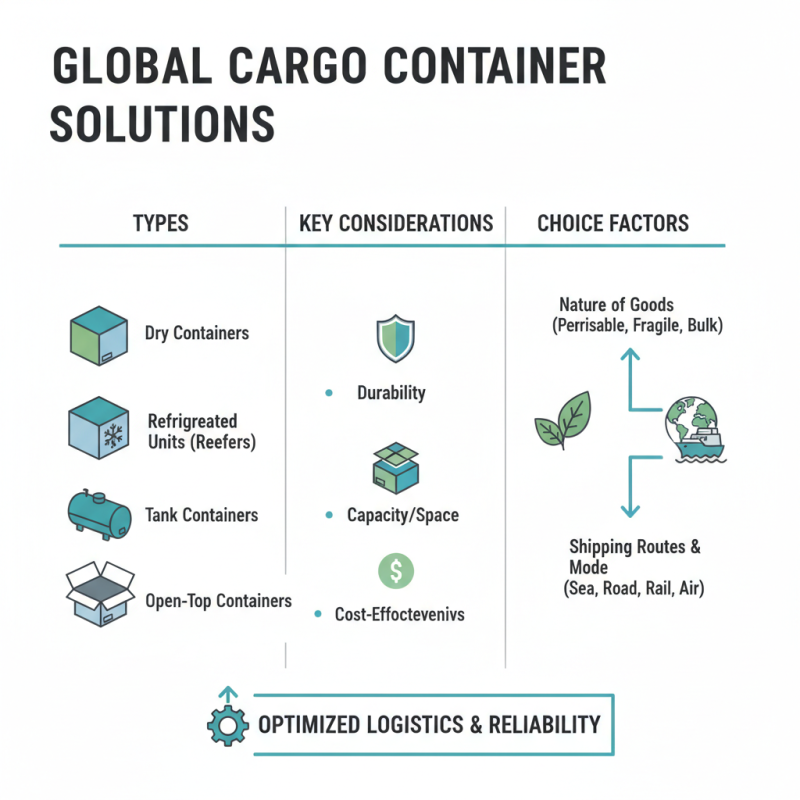
There are numerous options available to buyers today. From standard dry containers to specialized refrigerated units, each type serves unique needs. However, with so many choices, one might feel overwhelmed. It is essential to evaluate specific requirements, such as the nature of the goods and shipping routes, before making a decision.
Buyers should consider factors like durability, space, and cost-effectiveness. While some options may seem appealing, they may not always deliver the expected performance. Reflecting on past experiences can provide insights into the most reliable choices. With the right cargo container, businesses can enhance their logistics and ensure smooth operations in a competitive market.
Understanding the Different Types of Cargo Containers Available Today
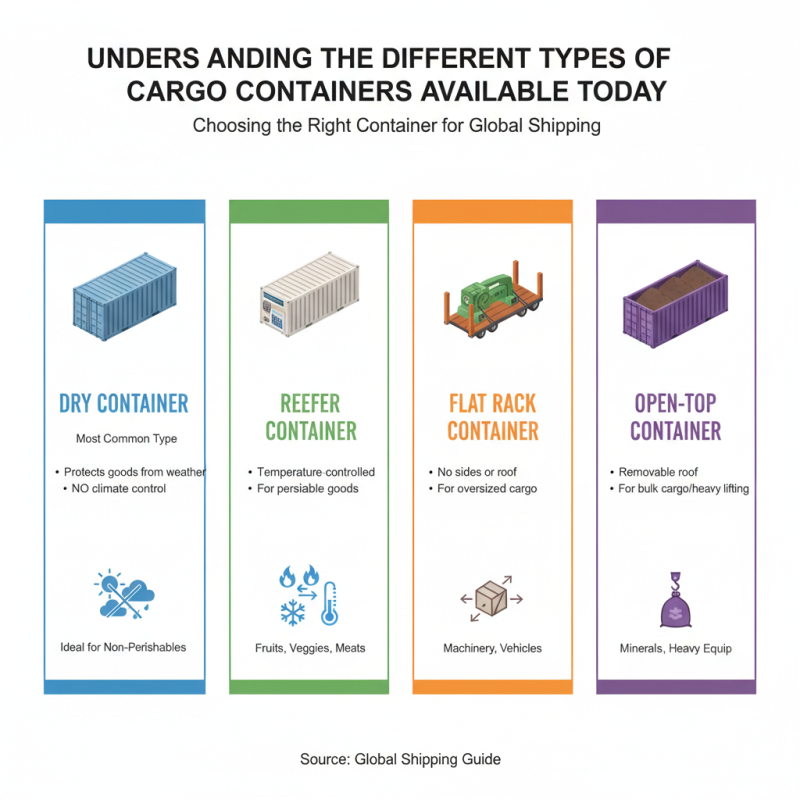
Choosing the right cargo container is crucial for global buyers. Several types of cargo containers are available, each with distinct features and purposes. Dry containers, for instance, are the most common. They protect goods from weather but offer no climate control. This makes them ideal for non-perishable items.
Reefer containers, on the other hand, are temperature-controlled. They are essential for transporting perishables like food and pharmaceuticals. A bulk container suits heavy, loose loads, while flat racks are perfect for oversized cargo. Each container type has its strengths and weaknesses.
Tips: Assess your cargo type before deciding. Always consider weight capacity and dimensions. Look out for container conditions. Some may have wear and tear. Proper inspection can prevent losses. After selecting a container, ensure it meets international shipping standards.
Key Factors to Consider When Choosing Cargo Containers for Purchase
Choosing the right cargo container is essential for global buyers. Several key factors influence this decision. First, consider the size of the container. Standard sizes include 20-foot and 40-foot options. According to industry data, approximately 90% of international shipping is done using these standard sizes.
Quality and durability are also crucial. Containers should be resistant to corrosion and weather. Reports highlight that well-maintained containers last 10-15 years. However, buyers must be cautious. Poor maintenance can reduce longevity significantly. It's advisable to inspect used containers thoroughly before purchasing, as structural integrity can vary greatly.
Another factor to reflect on is the cost. While initial prices may seem attractive, long-term expenses can add up. Shipping costs, insurance, and repairs contribute significantly to your overall budget. A typical 40-foot container costs between $2,000 and $5,000. However, additional costs like transportation and delivery should not be overlooked. Understanding these financial implications is vital for making an informed choice.
Best Cargo Container Options for Global Buyers Today? - Key Factors to Consider When Choosing Cargo Containers for Purchase
| Container Type |
Dimensions (Length x Width x Height) |
Capacity (Cubic Meters) |
Weight Limit (Tonnes) |
Material |
Cost Range (USD) |
| Standard Shipping Container |
20ft x 8ft x 8.5ft |
33.2 |
22.5 |
Steel |
$2,000 - $5,000 |
| High Cube Container |
40ft x 8ft x 9.5ft |
76.5 |
30.5 |
Steel |
$3,000 - $6,000 |
| Refrigerated Container |
40ft x 8ft x 9.5ft |
67.7 |
28.0 |
Steel/Insulated |
$6,000 - $12,000 |
| Open Top Container |
40ft x 8ft x 8.5ft |
67.7 |
30.5 |
Steel |
$3,500 - $7,000 |
| Flat Rack Container |
40ft x 8ft x 2.5ft |
67.7 |
30.5 |
Steel |
$2,500 - $5,500 |
Comparing Prices: Finding Affordable Cargo Container Options Globally
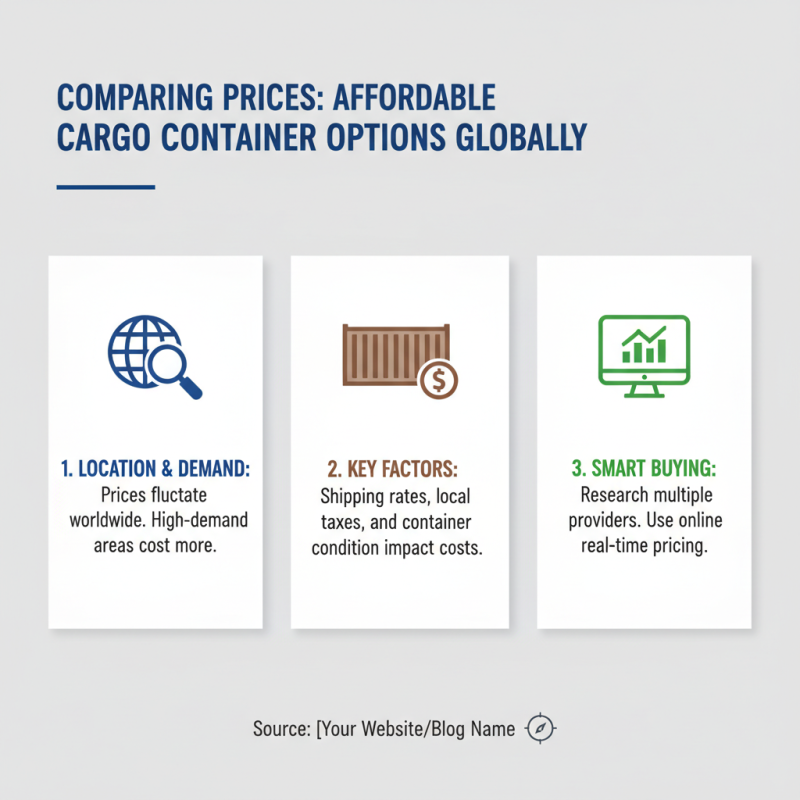
When it comes to finding affordable cargo container options globally, buyers face various challenges. Prices can vary significantly based on location, demand, and container condition. Many factors influence the cost, including shipping rates and local taxes. Researching multiple providers is essential for identifying better deals. Online platforms often display real-time pricing, which helps in making informed decisions.
Exploring various types of containers can also lead to cost savings. Standard containers are often cheaper, while specialized containers may come at a premium. It's essential to evaluate the container's condition thoroughly before purchasing. Some may have rust or structural issues. Buyers need to reflect on whether repairing an older container is worth the cost.
Negotiating prices can also be beneficial. Sellers may be open to offers, especially for bulk purchases. Building relationships with suppliers often leads to better deals. Yet, it's important to remain cautious and avoid rushing into a purchase. Take time to compare options, ensuring they meet your needs. Finding a reliable supplier with a good reputation will ultimately enhance the buying experience.
Sustainability in Cargo Containers: Eco-Friendly Options for Buyers
Sustainability has become a crucial focus for cargo container buyers worldwide. Eco-friendly options are available, catering to a growing demand for sustainable practices. Using recycled materials, companies now offer containers that have a reduced carbon footprint. These containers are often made from repurposed steel and other materials, lowering environmental impact.
Investing in sustainable cargo containers can be cost-effective. Over time, the durability of these containers saves money on replacements. However, buyers may encounter challenges. Not all eco-friendly options meet the same standards. It’s essential to research and compare certifications for environmental impact.
Focusing on eco-friendly materials is only one aspect. Buyers should also consider energy-efficient transportation methods. This combined approach fosters a greener supply chain. While the initial investment might be higher, the long-term environmental benefits are significant. Ultimately, conscious choices create a positive ripple effect in the industry.
Logistics and Delivery: Best Practices for Purchasing Cargo Containers
When purchasing cargo containers, understanding logistics and delivery is crucial. Buyers should consider local suppliers and their delivery capabilities. Inspecting containers before buying ensures they meet quality standards. Documentation is key; accurate paperwork avoids delays in transit.
A knowledgeable supplier can guide buyers through complex options. Different container sizes serve diverse needs, like storage or transportation. However, buyers often overlook the importance of specified dimensions. Miscalculating space needs may lead to inefficiencies. Additionally, choosing the right shipping method impacts the overall cost and timeline. An understandable comparison of transportation rates can reflect long-term savings.
Familiarity with customs regulations in destination countries is vital. Misunderstanding these rules creates costly delays. Buyers may need to adjust their purchase strategies based on past experiences or changing market conditions. Continuous learning from shipping patterns and customer feedback can refine decision-making processes. Proper research today leads to better choices tomorrow.
Best Cargo Container Options for Global Buyers Today
This chart illustrates the average costs of various cargo container types available to global buyers today. It helps in making informed purchasing decisions based on the type of cargo container needed for specific logistics requirements.