Top 10 Best Uses for Empty Shipping Containers You Need to Know
In today's fast-paced world, the versatility of empty shipping containers is becoming increasingly recognized. Initially designed for the transportation of goods across oceans, these robust steel structures have found their way into a myriad of innovative uses. From practical storage solutions to unique architectural projects, empty shipping containers are transforming spaces and redefining functionality.
With their durability and modular nature, empty shipping containers serve as the perfect foundation for a range of creative ideas. Many individuals and businesses alike are exploring how to repurpose these containers, not just for their original intent but as sustainable and cost-effective alternatives in various industries. In this article, we will delve into the top ten best uses for empty shipping containers, shedding light on how they can be effectively utilized beyond the shipping yard. Whether you seek extra storage, a distinctive living space, or even a mobile office, the potential for empty shipping containers is limited only by your imagination. Join us as we explore these exciting possibilities!

Creative Uses for Shipping Containers in Residential Spaces
Shipping containers have evolved from mere transportation units into versatile structures that can enhance residential spaces. Creative uses for shipping containers are increasingly popular as homeowners look for sustainable, cost-effective solutions. According to a report by the Container Home Association, the average cost of converting a shipping container into a livable space can range from $10,000 to $35,000, which is significantly lower than traditional home buying expenses. This affordability makes them an attractive option for those looking to invest in real estate while adopting eco-friendly practices.
One popular transformation is converting shipping containers into modern homes. These container homes can be customized to fit specific needs and design preferences, offering flexibility that traditional building methods often lack. Furthermore, the durability of steel containers provides an added level of security and resilience against natural disasters, which aligns with findings from the International Journal of Disaster Risk Reduction, which notes that alternative building materials can significantly reduce vulnerability in at-risk areas.
**Tip:** When considering a shipping container home, ensure proper ventilation and insulation are included in your plans to maintain a comfortable living environment throughout the year.
Containers can also serve as functional spaces like home offices, studios, or guest houses. This flexibility allows homeowners to create distinct areas without the need for extensive renovations. Additionally, according to the Recycling Industry report, approximately 97 million shipping containers are in circulation worldwide, and repurposing them not only conserves resources but also minimizes waste, aligning with sustainable living principles.
**Tip:** Prioritize using recycled materials for finishing touches in your container project to further enhance its eco-friendliness and reduce environmental impact.
Transforming Shipping Containers into Unique Commercial Structures
Transforming shipping containers into unique commercial structures is an innovative trend that's gaining traction globally. Their robust design and portability make them ideal for creating pop-up shops, coffee kiosks, and even full-fledged restaurants. By repurposing these containers, entrepreneurs can establish distinctive and eye-catching venues with a minimal investment compared to traditional construction methods. Moreover, shipping containers can be modified to include special features such as large windows, ventilation systems, and customized interiors, catering specifically to the needs of any business concept.
When considering the conversion of shipping containers for commercial use, a few tips can help ensure success. First, always check local zoning laws and building codes to ensure compliance and avoid unnecessary delays. Secondly, consider the layout carefully; think about customer flow and how the container's internal space can be maximized for operations. Additionally, investing in good insulation and climate control systems will enhance comfort for both customers and staff, ensuring a positive experience.
Another tip is to embrace creativity in design. Utilize the container’s exterior as a blank canvas for artistic branding or murals that can attract attention and create a memorable identity for your business. This can not only boost foot traffic but also help in establishing a strong community presence, essential for long-term success in any commercial venture.
Top 10 Best Uses for Empty Shipping Containers
| Use Case |
Description |
Benefits |
Estimated Cost |
| Coffee Shop |
A compact space to serve coffee and snacks. |
Cost-effective, portable, and unique design. |
$15,000 - $30,000 |
| Pop-Up Retail Store |
A temporary storefront for seasonal sales. |
Flexible location, low rental costs. |
$10,000 - $25,000 |
| Office Space |
An alternative workspace or coworking area. |
Sustainable, quick to set up, customizable. |
$20,000 - $50,000 |
| Storage Units |
Secure storage for personal or business belongings. |
Weatherproof, secure, affordable. |
$1,500 - $4,000 |
| Modular Homes |
Using containers as a base for an eco-friendly home. |
Sustainable living, customizable layout. |
$30,000 - $70,000 |
| Event Space |
A venue for weddings, parties, or corporate events. |
Unique atmosphere, versatile layouts. |
$15,000 - $35,000 |
| Fitness Center |
A small gym or personal training studio. |
Low cost, portable, and unique setting. |
$20,000 - $40,000 |
| Art Gallery |
A space to showcase art and performances. |
Low-budget option, easily relocatable. |
$10,000 - $30,000 |
| Residential Workshop |
A dedicated space for crafting and DIY projects. |
Cost-effective, fully customizable. |
$5,000 - $15,000 |
| Restaurant |
A unique dining experience in a container setting. |
Creative design, lower overhead costs. |
$25,000 - $60,000 |
Utilizing Shipping Containers for Sustainable Farming Solutions
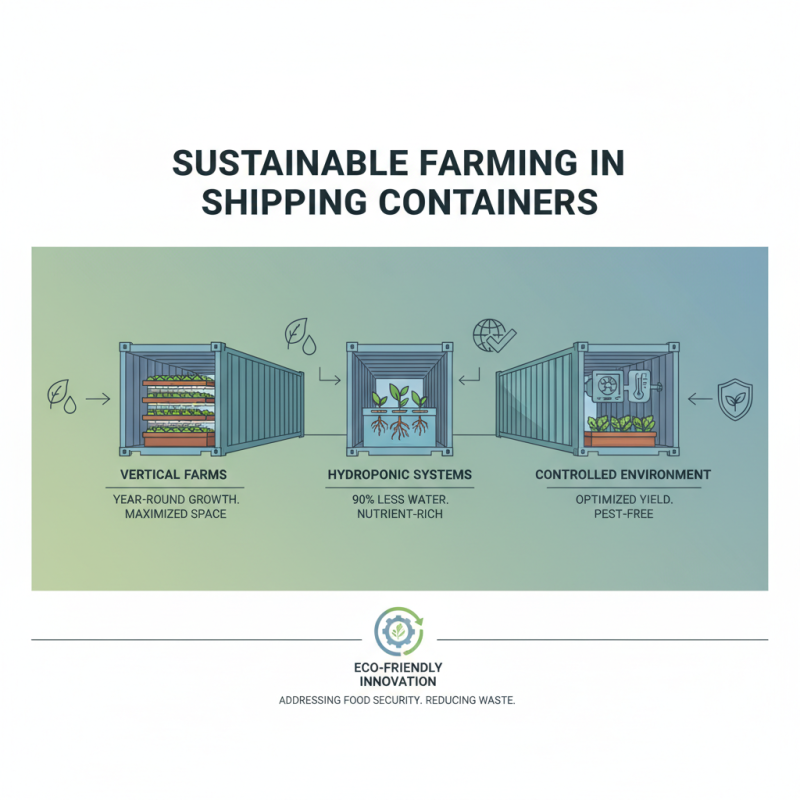
Using shipping containers for sustainable farming solutions presents an innovative approach to addressing food security and environmental concerns. These metal boxes, often deemed as waste after their transport duty, are being repurposed into efficient and eco-friendly farm structures. They can be transformed into hydroponic systems, greenhouses, or vertical farms, allowing for year-round farming regardless of external weather conditions. The controlled environment within shipping containers can help in optimizing plant growth, reduce water consumption, and minimize pesticide use, aligning with sustainable agricultural practices.
Tips for utilizing shipping containers in farming include ensuring proper ventilation and insulation to maintain ideal temperature and humidity levels. Before converting a container, it's crucial to inspect for any structural damage or rust that could compromise the integrity of the farm. Additionally, consider integrating renewable energy sources like solar panels to power the container's ventilation systems or lighting, further enhancing sustainability. By adopting these strategies, you can maximize the productive use of shipping containers while contributing positively to the environment.
Innovative Storage Solutions with Shipping Containers
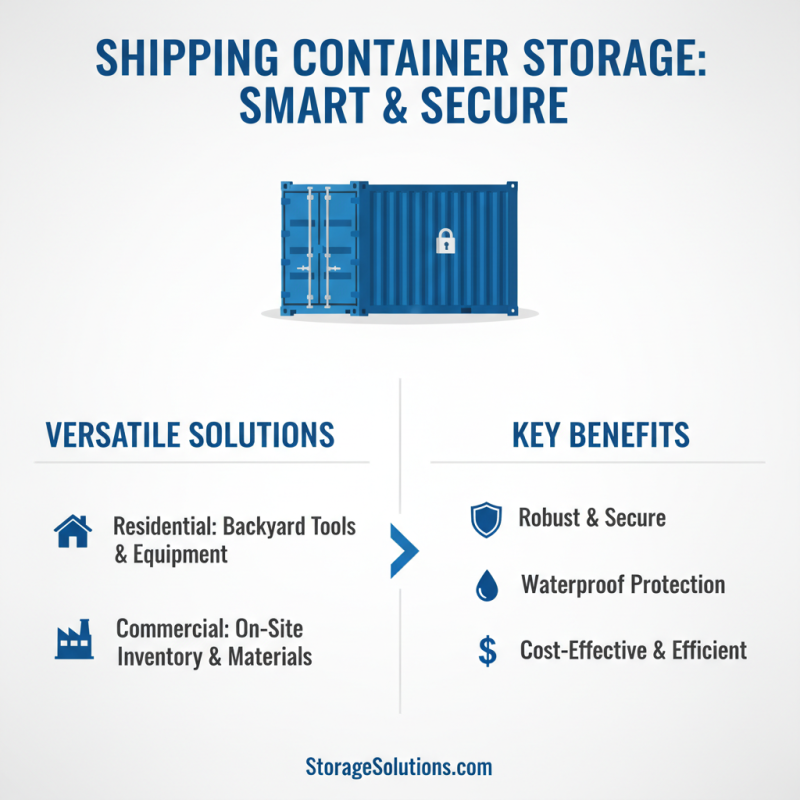
Empty shipping containers offer a versatile, cost-effective solution for innovative storage needs across various sectors. Their robust structure and waterproof qualities make them ideal for secure storage in residential or commercial settings. For instance, individuals often transform containers into backyard storage units for tools and equipment, while businesses utilize them as on-site storage for inventory, reducing the risks associated with overcrowding and disorganization.
Moreover, shipping containers can be repurposed into unique storage spaces that blend functionality and style. Many people are creatively converting them into modular homes or offices, providing an eco-friendly and space-efficient alternative to traditional constructions. Additionally, these containers can serve as pop-up shops or event spaces, showcasing products while maintaining a streamlined aesthetic. Their portability allows for easy relocation, making them suitable for seasonal events or temporary exhibitions while ensuring that valuable items are stored securely.
Using Shipping Containers as Mobile Offices and Workspaces
Using shipping containers as mobile offices and workspaces has gained traction in recent years, largely due to their versatility and cost-effectiveness. According to a report from the Modular Building Institute, the modular construction market, which includes repurposed shipping containers, is projected to grow to $157.1 billion by 2025. This signifies a shift toward flexible work environments where businesses can set up temporary or relocatable offices without the substantial costs of traditional construction.
One of the appealing aspects of container offices is their adaptability. Companies can customize the interiors to include essential features like air conditioning, electrical wiring, and internet connectivity, turning a simple steel box into a functional workspace. A study from the International Journal of Construction Management highlights that companies utilizing modular offices can reduce build times by up to 50% compared to conventional buildings, allowing for quicker project initiation and execution. Furthermore, in today's fast-paced business environment, mobile offices facilitate easier relocation to meet changing demands, ensuring that businesses can maintain productivity without significant interruptions.