10 Best Ways to Move a Container Efficiently and Safely
Efficiently and safely moving a container is a crucial aspect of supply chain management that can significantly impact overall operational productivity. According to the World Bank's Logistics Performance Index, countries with streamlined logistics processes—including container movement—experience up to 15% higher economic growth compared to those with less efficient operations. With millions of containers transported globally each year, the stakes are high; ensuring their safe and efficient relocation not only minimizes potential delays and damage but also contributes to a more resilient logistics network.
Globally, it is estimated that over 90% of trade occurs via shipping containers, with the United Nations Conference on Trade and Development reporting that container shipping volumes reached approximately 1.8 billion twenty-foot equivalent units (TEUs) in 2020. As such, the methods used to move a container must be optimized to handle increasing volumes without compromising safety or efficiency. Implementing best practices in container handling has been shown to reduce operational costs by up to 30%, making it essential for industry players to adopt the latest techniques and technology to enhance their container movement strategies. Through careful planning and execution, businesses can ensure the reliable transportation of goods and maintain their competitive edge in the marketplace.
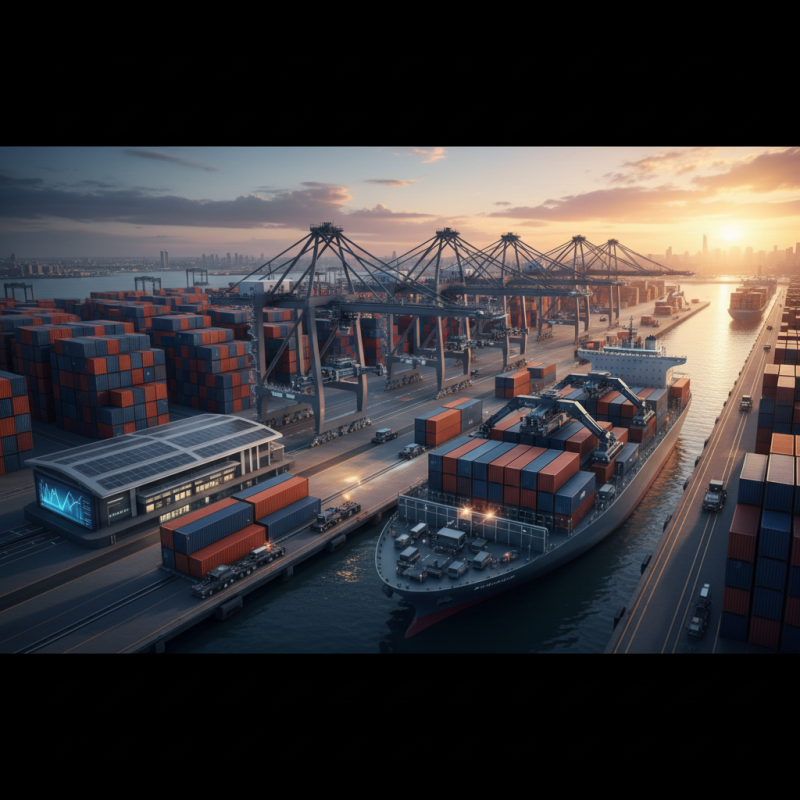
Understanding Container Types and Their Specific Requirements
When it comes to moving containers efficiently and safely, understanding the different types of containers and their specific requirements is essential for optimizing logistics operations. Containers can vary widely, including standard dry containers, reefer units for temperature-sensitive cargo, and tank containers for liquids. Each type has unique specifications regarding weight limits, stacking capabilities, and handling procedures. For example, a standard 20-foot dry container typically has a maximum gross weight of about 24,000 kg, while reefer containers require an additional power source to maintain the necessary temperature range, thus increasing operational complexity.
To enhance the efficiency of container movement, proper planning and assessment are crucial. It is vital to ensure that the loading and unloading processes adhere to the specific requirements of the container type. For instance, when using reefer containers, it’s important to pre-cool the unit before loading perishable goods to avoid spoilage. According to a report by the International Journal of Logistics Management, companies that implement rigorous container handling protocols see a reduction in cargo damage by up to 30%.
Tips: Always conduct a thorough inspection of the containers prior to transport to identify any potential damage. Additionally, train personnel on the specific handling techniques related to each container type to minimize risk and ensure safe transit. By focusing on these details, logistics operations can achieve greater efficiency and safety in container movement.
10 Best Ways to Move a Container Efficiently and Safely - Understanding Container Types and Their Specific Requirements
| Container Type |
Best Moving Method |
Key Considerations |
Safety Tips |
| Standard Container |
Flatbed Truck |
Weight distribution, securing loads |
Use straps to secure, check weight limits |
| Refrigerated Container |
Reefer Trucks |
Temperature control, power sources |
Regularly check temperature, maintain power |
| Open Top Container |
Cranes |
Height restrictions, lifting capacity |
Inspect lifting gear, avoid overload |
| Tank Container |
Specialized Tank Haulers |
Special handling requirements, liquid stability |
Secure liquid load, use pressure relief valves |
| Flat Rack Container |
Flatbed Trailers |
Load configurations, securing methods |
Use chains and straps to secure load |
| High Cube Container |
Specialized Container Movers |
Height considerations, clearance checks |
Ensure height clearance on routes |
| Ventilated Container |
Airflow-optimized Trucks |
Humidity control, airflow management |
Check ventilation openings regularly |
| Heavy Load Container |
Heavy Machinery Transport |
Weight limits, structural integrity |
Use appropriate machinery for lifting |
| Custom Container |
Tailored Transport Solutions |
Unique specifications, tailored loading |
Consult with experts for handling |
Choosing the Right Equipment for Container Transport
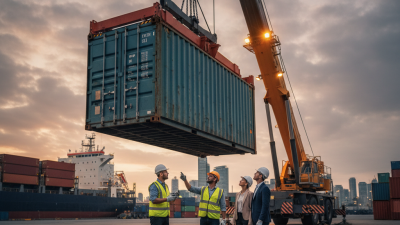
Choosing the right equipment for container transport is crucial for ensuring efficiency and safety during the moving process. Different containers require various handling equipment based on their size, weight, and the environment in which they will be transported. Common equipment includes forklifts, cranes, and specialized container handlers designed to manage heavy loads while minimizing the risk of damage to the cargo or the transport vehicle. Always assess the specifications of your container and the transport route to determine the most suitable machinery.
Tips: Ensure that the equipment is regularly maintained and inspected before use. This helps avoid unexpected breakdowns that can lead to costly delays or safety hazards. Additionally, consider the qualifications of the personnel operating the machinery; trained operators are essential for the safe handling of heavy equipment.
It's also vital to consider environmental factors such as terrain and weather conditions when selecting your equipment. For example, if you're working on uneven ground or in inclement weather, specialized vehicles like all-terrain forklifts may be necessary to ensure stability and control. Always plan for contingencies and adjust your equipment choices accordingly to adapt to the specific challenges of your transport operations.
10 Best Methods for Container Movement Efficiency
Planning the Route for Efficient Container Movement
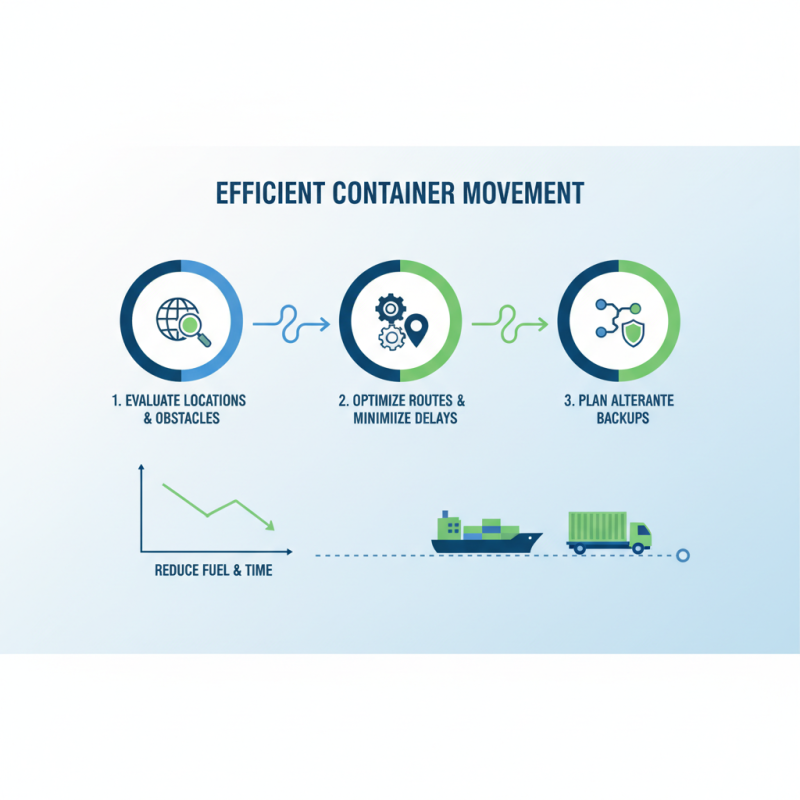
When planning the route for efficient container movement, the first step is to evaluate the starting and ending locations thoroughly. It's essential to take into account the geographical features, traffic patterns, and potential obstacles that may hinder the transport process. By using route optimization tools, logistics managers can identify the most suitable paths that minimize delays and reduce fuel consumption. Additionally, it is beneficial to consider alternate routes that can serve as backups in case of unexpected road conditions or incidents.
Another key aspect of route planning is the scheduling of transport activities. Synchronizing container movements with peak traffic times can significantly reduce delays and facilitate smoother operations. Furthermore, incorporating real-time tracking systems allows logistics teams to monitor progress and make adjustments to the route if necessary. Effective communication with all stakeholders, including drivers and warehouse personnel, is crucial to ensure everyone is up-to-date on any changes. By prioritizing strategic planning and coordination, companies can enhance the safety and efficiency of container movement.
Implementing Safety Protocols During Container Handling
Implementing safety protocols during container handling is crucial to prevent accidents and ensure the well-being of personnel. According to the Occupational Safety and Health Administration (OSHA), improper handling of containers can lead to serious injuries, including musculoskeletal disorders and traumatic injuries. A recent industry report indicated that nearly 20% of workplace injuries in logistics stem from unsafe lifting and handling practices. To mitigate these risks, organizations must establish comprehensive safety training programs and enforce the use of appropriate personal protective equipment (PPE).
Additionally, adhering to best practices in container loading and unloading can significantly enhance safety. The International Maritime Organization (IMO) emphasizes the importance of load stability to prevent container collapse during transport. Research from the Container Safety Forum shows that nearly one-third of container incidents are related to improper securing of cargo. Implementing guidelines such as thorough inspection of containers before handling and utilizing mechanical aids, such as forklifts and hoists, can help minimize human error and reduce the chances of accidents. Regular safety audits and performance evaluations also play a vital role in identifying potential hazards, thereby fostering a safer work environment.
Monitoring and Adjusting During the Movement Process
Monitoring and adjusting during the movement of shipping containers is crucial for ensuring both efficiency and safety. According to a report by the World Shipping Council, about 90% of global trade is transported by sea, underscoring the importance of optimizing container logistics. Implementing real-time monitoring technologies such as GPS tracking and IoT sensors can significantly enhance the oversight of container movements. These tools allow operators to track location, temperature, and humidity levels, ensuring that containers remain in optimal condition and are less prone to damage or spoilage. Studies show that real-time tracking can reduce delays by up to 30%, which is essential for maintaining supply chain integrity.
Adjustments during the movement process are equally important. Data from the International Cargo Handling Coordination Association highlights that unanticipated delays often lead to increased costs and logistical bottlenecks. By employing advanced predictive analytics, logistics managers can foresee potential issues and make proactive adjustments to routes or schedules. For instance, if a storm is forecasted along the planned route, rerouting can mitigate risks and prevent container mishandling or loss. This adaptability not only keeps the containers safe but also reinforces delivery timelines, catering to the high demand for reliability in shipping practices.