How to Choose the Best LTL Truck Freight for Your Business?
Choosing the best LTL truck freight service is crucial for businesses looking to optimize their logistics. According to a report by Armstrong & Associates, the U.S. less-than-truckload (LTL) market generated over $35 billion in revenue in 2022. This highlights its significance in the supply chain. The right LTL truck freight can help businesses reduce costs and improve delivery times.
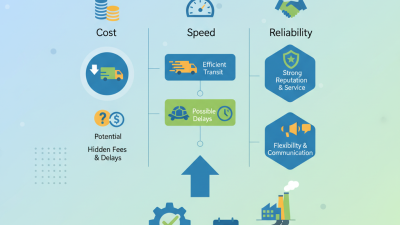
When selecting an LTL provider, consider their service reliability and reputation. A 2023 survey from Logistics Management indicated that 74% of shippers prioritize reliability over cost. This shows that businesses value dependability in their logistics partners. Additionally, look for carriers that offer advanced tracking and customer support to ensure transparency.
Not every LTL truck freight solution fits all businesses. It is essential to reflect on your specific needs. Consider factors like shipment size, delivery frequency, and geographical coverage. Inconsistent performance from carriers can cause delays. This can lead to customer dissatisfaction. Therefore, collecting data on potential partners and their performance metrics should be part of the decision-making process.

Understanding LTL Truck Freight: Definition and Benefits
Understanding LTL truck freight is crucial for businesses with specific shipping needs. LTL stands for less-than-truckload, allowing multiple shipments from various customers in one truck. This service is ideal for small to medium-sized enterprises that do not require a full truck's capacity. It provides a cost-effective solution, as you only pay for the space you use.
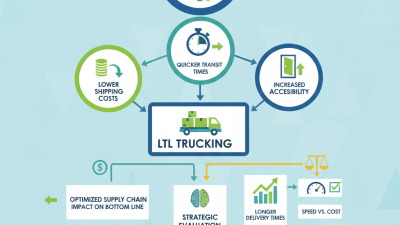
LTL freight offers flexibility and efficiency. Companies can ship goods more frequently without incurring high costs. This encourages faster stock turnover, which can improve cash flow. However, it can also lead to longer transit times, as trucks make multiple stops. Businesses must weigh these factors carefully.
Reliability is another essential component of LTL shipping. Choosing a trusted logistics provider impacts the timeliness of deliveries. Delays in shipping may affect customer satisfaction. Businesses should evaluate potential freight partners based on their service levels and track record. This assessment is vital for ensuring a smooth operation.
How to Choose the Best LTL Truck Freight for Your Business?
| Criteria |
Description |
Benefits |
| Cost |
Evaluate shipping rates based on distance, weight, and service. |
Helps in budgeting and cost management. |
| Service Options |
Different modes of delivery (standard, expedited, etc.). |
Flexibility to meet your delivery timelines. |
| Tracking |
Availability of shipment tracking tools. |
Improves visibility and reduces anxiety about delivery status. |
| Carrier Reliability |
Research carriers based on reviews and performance metrics. |
Ensures timely deliveries and reduced disruptions. |
| Customer Support |
Accessibility of customer service for inquiries and issues. |
Enhances communication and resolves problems quickly. |
| Freight Claims |
Policies and procedures for handling lost or damaged goods. |
Provides protection against financial loss. |
Identifying Your Business's Freight Needs and Requirements
When selecting LTL (Less Than Truckload) freight for your business, understanding your specific freight needs is crucial. According to the American Trucking Associations, around 70% of freight in the U.S. is transported by trucks. This highlights the importance of choosing a reliable freight partner. Start by analyzing the types of goods you ship. Are they fragile, perishable, or oversized? Each type has distinct handling requirements that affect your choice.
Consider your shipping volume and frequency. If you ship frequently but in smaller quantities, LTL services may be ideal. The Freight Transportation Services Index (TSI) indicates that LTL shipments can significantly lower costs compared to full truckload options. Also, assess delivery timeframes. Some LTL carriers offer expedited services, which can be vital for time-sensitive goods. A third-party logistics report suggests that about 62% of shippers focus on delivery speed when selecting carriers.
It's essential to reflect on your business's growth. Are your shipping needs likely to change? An adaptable freight partner can help you navigate fluctuations in demand. Remember, not all LTL providers are equal. Research their reputation and service reliability. Consult industry reports and customer reviews to gauge their credentials. A well-informed decision today can lead to efficient operations tomorrow.
Evaluating Freight Carriers: Key Factors to Consider
When evaluating freight carriers for less-than-truckload (LTL) shipping, consider reliability first. According to a 2022 report by the Transportation Research Board, 80% of shippers rank on-time delivery as a top priority. Track a carrier's performance metrics, such as their on-time percentage. A reliable carrier minimizes your shipment delays, thus enhancing your customer satisfaction.
Cost is another critical factor. LTL rates can vary widely between carriers. A report from logistics consultancy Armstrong & Associates indicates that shippers can save 10-30% by comparing different carriers’ rates and services. Look for hidden fees, such as fuel surcharges, that can inflate shipping costs. It might not be easy to navigate these complexities. However, understanding cost structures can reveal better options tailored to your business needs.
Technology usage is significant in today’s freight landscape. Carriers utilizing advanced tracking systems can boost transparency. According to a 2023 survey by Logistics Management, 65% of businesses prefer carriers who provide real-time shipment updates. Yet, remember that not all technology is user-friendly. It’s essential to assess how intuitive a carrier's system is before making a decision, as this can affect your operational efficiency.
Comparative Analysis of LTL Freight Carriers Based on Key Factors
Comparing Rates and Services of Different LTL Providers
When selecting the right LTL (Less Than Truckload) freight provider, comparing rates and services is essential. Different providers have various pricing structures. Understanding these can lead to cost savings. Ensure you know your shipping needs. Volume, distance, and urgency all play a role.
Start by gathering quotes from multiple LTL providers. This gives insight into how rates vary. Pay attention to additional charges, which can impact overall costs. Some companies charge for fuel, while others may have accessorial fees. These hidden costs can escalate quickly.
Evaluate service levels too. Does a provider offer guaranteed delivery times? What about tracking capabilities? Reliable communication is vital. If delays occur, you want a partner who keeps you informed. Remember, a lower rate might not always mean better service. Balance cost with reliability to find the best fit for your business.
Establishing a Long-Term Partnership with Your Chosen Freight Carrier
Establishing a long-term partnership with your chosen freight carrier is crucial for your business. Choosing the right Less-than-Truckload (LTL) carrier involves more than just cost. You need to look at reliability, communication, and service quality. Make sure the carrier understands your business needs. This understanding builds a strong foundation for collaboration.
Regular communication can make a significant difference. Share your shipping volumes and peak seasons with the carrier. This information allows them to plan better for your needs. A dependable partner should provide consistent updates and insights into industry changes. You may find that not all carriers are ready for this openness. Be prepared to assess their willingness to foster transparency.
As you evaluate potential partners, consider their track record. Look for testimonials and case studies. These will give you insight into their operational capabilities. But remember, no carrier is perfect. You might experience challenges or hiccups along the way. It's important to learn from these situations. Reflect on what went wrong and how to improve the partnership.