2026 How to Choose the Right Freight Container for Your Shipping Needs?
When it comes to shipping goods, selecting the right freight container is crucial. A freight container protects your cargo during transit. It also impacts cost, efficiency, and safety. There are various types of containers available. Each serves different needs.
Some containers are ideal for dry goods, while others are designed for perishable items. Understanding your product requirements is essential. Poor choices can lead to damages or losses. The size and type of freight container affect shipping rates and times. A mismatch can complicate logistics.
Choosing the right freight container requires careful consideration. Think about your cargo’s dimensions and weight. Analyze environmental factors as well. Not every container suits every journey. Be prepared to ask questions and seek advice. This ensures you make an informed decision. The right choice can streamline your shipping process and enhance delivery outcomes.

Understanding Different Types of Freight Containers Available for Shipping
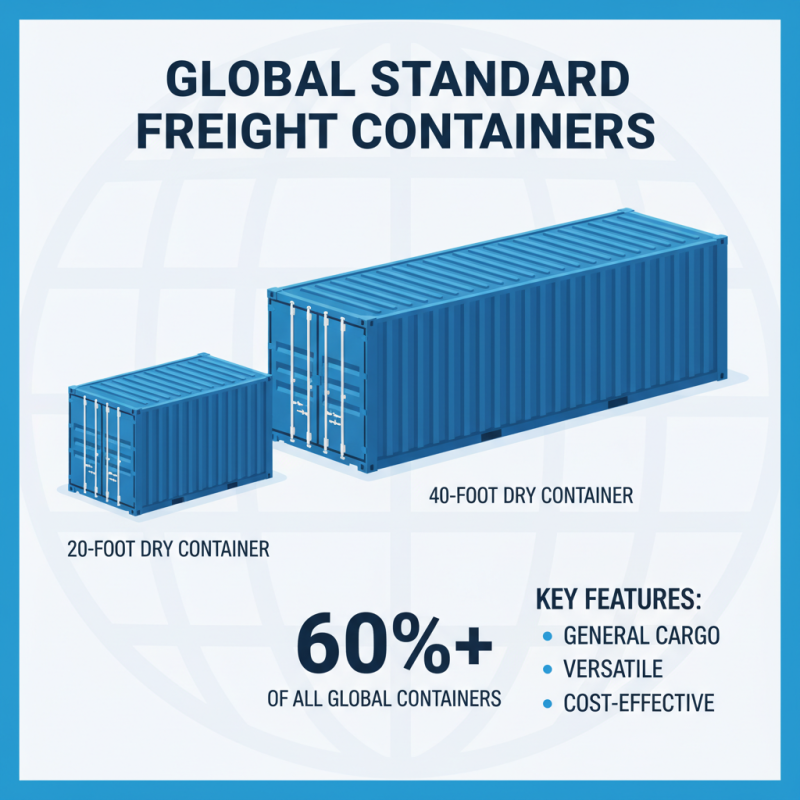
When considering freight containers, it’s essential to understand the different types available. Standard containers, such as 20-foot and 40-foot dry containers, are popular for general cargo. According to industry reports, over 60% of all containers used globally fall into this category. These containers are versatile and cost-effective for a variety of shipping needs.
For specialized shipments, reefer containers are crucial. They maintain temperature-controlled environments. This ensures perishable goods remain fresh during transit. Reports indicate that the demand for reefer containers has grown by 25% in recent years, driven by the increase in global food trade. However, using them comes with higher operational costs, which some businesses overlook.
Bulk containers offer another option for larger shipments. Open-top and flat-rack containers are designed for heavy or oversized cargo. Yet, these containers can lead to loading challenges. Many shippers struggle with securing such loads properly. Choosing the right container involves balancing the cargo type and the associated risks. Each option has its pros and cons, calling for careful evaluation.
Assessing Your Cargo Dimensions and Weight for Container Selection
When choosing a freight container, assessing your cargo dimensions and weight is crucial. The International Organization for Standardization (ISO) states that standard container sizes include 20-foot and 40-foot units. However, what if your cargo doesn't fit neatly into these dimensions?
Consider a recent industry report indicating that about 30% of shipments suffer from improper containerization. This often leads to wasted space and inflated shipping costs. To avoid this, measure your cargo precisely. Length, width, height, and weight should all be noted.
For example, a computed weight over 2,300 kg can push you into a different container category. When uncertain, choose slightly larger containers for flexibility. Remember, leaving the container half-full may increase costs, while overloading can result in significant penalties. Each shipment is unique. Reflecting on loading efficiency can guide your choice in the future. Will you be precise, or stick with what you know?
Evaluating Container Features: Ventilation, Insulation, and Security
Choosing the right freight container involves careful consideration of various features.
Ventilation, for example, is crucial for transporting goods that require air circulation.
Containers with ventilation holes can help prevent spoilage in perishable items. However, not all containers come with proper airflow mechanisms.
It's essential to assess the specific needs of your cargo. A poorly ventilated container can lead to significant losses.
Insulation is another vital feature. This is particularly important for temperature-sensitive shipments.
Some containers offer thermal insulation, which helps maintain a stable internal environment. Yet, the efficiency of insulation can vary.
Always check the insulation ratings and confirm that they meet the requirements of your goods.
A lack of adequate insulation may lead to unexpected temperature fluctuations.
Security features should not be overlooked. Containers with robust locking systems provide better protection against theft.
However, not all containers have the same level of security. The right choice depends on the value and sensitivity of the shipped items.
Sometimes, even the best locks can be compromised. It's necessary to weigh these risks against your shipping needs.
Determining the Best Container for Specific Shipping Conditions
Choosing the right freight container is crucial for effective shipping. The container you select can significantly impact your cargo's safety, cost, and arrival time. For specific shipping conditions, one must consider container type, weight capacity, and the nature of goods.
For example, the International Maritime Organization reports that over 80% of global trade is transported by sea. A standard 20-foot container can hold up to 30,480 kilograms, but not all cargo fits this volume. If you’re shipping fragile items, a temperature-controlled container may be necessary. This ensures your products remain at specified temperatures, safeguarding their quality during transit.
Furthermore, different environments pose unique challenges. Humidity, temperature fluctuations, and exposure to salty air can damage certain goods. A report from the World Shipping Council indicates that approximately 1.5% of containers experience damage during transport. This underscores the importance of selecting a container based on shipping conditions. For instance, using a vented container could help prevent moisture build-up for agricultural products. Balancing cost and the right container type is not always straightforward but is essential for a successful shipment.
Cost Considerations and Budgeting for Your Freight Container Choices
When selecting a freight container, budgeting is crucial.
Be mindful of the total cost of ownership. This includes purchase price, maintenance, and shipping fees.
Understand your shipping needs first. Will you ship perishables? How often will you use the container?
These factors impact your budget significantly.
Tips: Always seek multiple quotes before making a decision.
Some suppliers may offer discounts for bulk orders or long-term leases.
Don't overlook the condition of used containers. They may seem cheaper, but
hidden damages can lead to higher repair costs.
Consider the size and type of the container.
A standard 20-foot container may not fit larger equipment. Sometimes, a specialized container is necessary,
but it can be costly. Reflect on your specific logistics.
Costs can escalate quickly if your needs change suddenly.
Tips: Assess your storage options carefully.
An inappropriate container can lead to wasted space or damaged goods.
Always have a buffer in your budget.
Planning for unexpected expenses can save you from major financial headaches later on.
Be flexible but strategic in your choices.