2026 How to Choose the Best LTL Truck Freight Options for Your Business?
In today's fast-paced logistics environment, choosing the right LTL truck freight options is critical for businesses. According to a report by the American Trucking Associations, nearly 70% of freight transported in the U.S. relies on trucks. This statistic highlights the importance of efficient freight solutions. Businesses must navigate various options to find what suits them best.
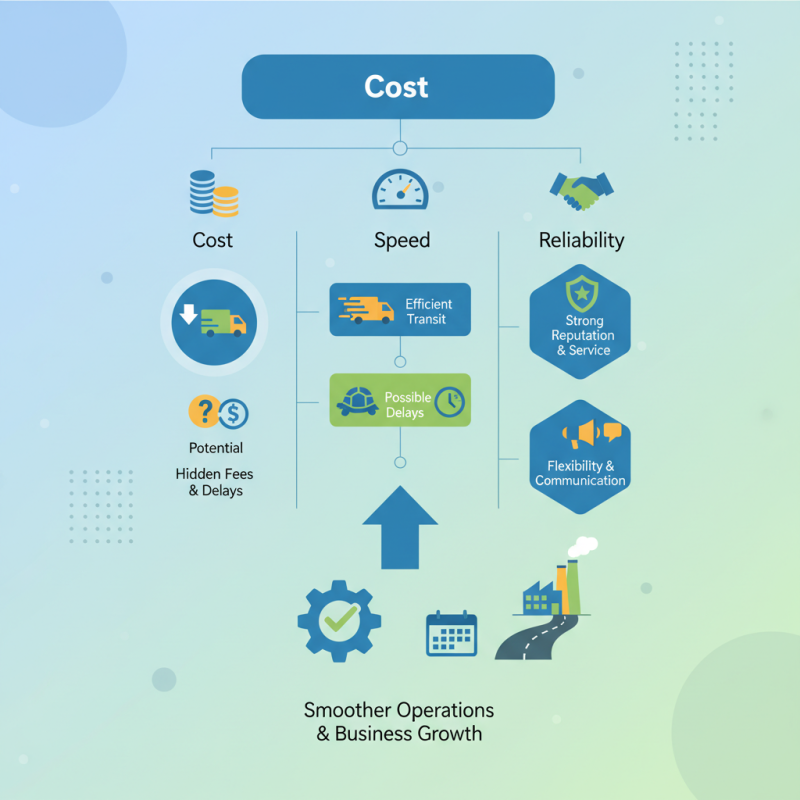
Selecting the best LTL truck freight can be overwhelming. There are factors such as cost, speed, and reliability to consider. For example, recent data suggests that using LTL can reduce shipping costs by 30% compared to full truckload services. However, not all options deliver the same level of service. Some companies may face delays or hidden fees that impact their operations.
It's essential to evaluate providers thoroughly. Look for companies with strong reputations in the industry. Customer reviews and performance metrics can reveal valuable insights. Don't underestimate the importance of flexibility and communication. These can significantly affect your shipping experience and overall satisfaction with LTL truck freight choices. Remember, the right decision today can lead to smoother operations tomorrow.
Understanding LTL Freight: Definition and Key Features
LTL (Less Than Truckload) freight is a key logistics option for businesses that need to ship smaller quantities. Typically, LTL shipments range from 150 to 15,000 pounds. They are ideal for companies that do not require a full truckload. According to a 2022 Freight Analysis report, LTL freight transportation held about 11% of the total freight market. This indicates its growing significance.
Understanding LTL freight means recognizing its features. It offers cost-effectiveness for businesses. Sharing truck space lowers shipping costs. However, this approach can lead to delays. LTL shipments may take longer to arrive due to multiple stops. Companies need to assess their urgency against cost savings. In fact, a 2023 industry survey showed that 40% of businesses consider transit times critical when choosing LTL options.
Tracking and communication are essential in LTL shipping. Many transport firms provide tracking tools. Yet, not all offer real-time updates. This inconsistency can lead to frustration. Businesses should inquire about tracking methods when selecting a service. Additionally, understanding policies on damage claims and delivery guarantees is crucial. The fine print can make a difference in overall satisfaction.
2026 How to Choose the Best LTL Truck Freight Options for Your Business?
| Dimension |
Description |
Example Value |
| Weight Range |
Typical weights for LTL shipments |
151-20,000 lbs |
| Transit Time |
Estimated delivery time for LTL services |
2-7 business days |
| Shipping Zones |
Regional vs. National coverage |
Regional |
| Freight Class |
Classification based on density and value |
Class 250 |
| Hazardous Materials |
Ability to transport unsafe goods |
Accepted |
| Cost Efficiency |
Comparison of shipping rates based on weight and distance |
$0.80 - $1.50 per lb |
| Availability of Tracking |
Real-time shipment tracking features |
Yes |
| Customer Support |
Availability of support during transit |
24/7 |
Factors to Consider When Choosing LTL Truck Freight Services
Choosing the right LTL (Less Than Truckload) freight service for your business requires careful consideration. A key factor is understanding the cost structure. According to industry reports, LTL shipping can save businesses up to 30% compared to full truckload options. This can be especially beneficial for small and medium-sized enterprises that don't have frequent large shipments.
Think about the transit times as well. Many carriers offer expedited services. However, this can increase costs. In 2021, the average LTL transit time was about 4 to 6 days. It's essential to balance speed with budget constraints. Knowing your delivery needs is crucial. Unforeseen delays can lead to disruptions in operations.
Tip: Always compare carrier rates and services. Use online freight calculators for accurate estimates.
Another factor to watch is the carrier's tracking capabilities. Customers expect real-time updates. In fact, a survey found that 80% of shippers value visibility in their supply chain. If your chosen carrier lacks these features, it may not meet your needs. Remember, while costs are important, service quality matters too.
Tip: Look for reviews and ratings of carriers. These can provide insights into reliability and performance.
Factors to Consider When Choosing LTL Truck Freight Services
This bar chart illustrates the importance levels of various factors when choosing LTL truck freight services for your business. As seen, reliability and cost are the most critical aspects to consider, while tracking options are somewhat less important.
Evaluating Carrier Options: Reputation, Rates, and Services
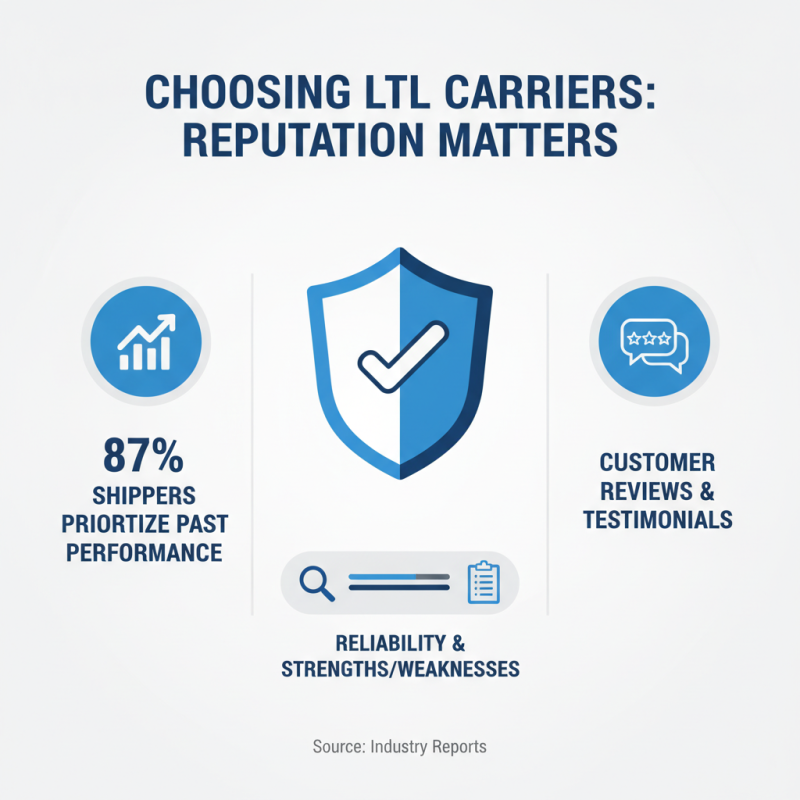
When evaluating LTL (Less Than Truckload) carrier options, reputation is crucial. A carrier's history can speak volumes about their reliability. Industry reports indicate that 87% of shippers prioritize a carrier's past performance when making decisions. Look for customer reviews and testimonials. These insights can reveal strengths and weaknesses that may not be immediately apparent.
Rates are another critical factor. However, the lowest price doesn't always equate to the best value. A study found that 65% of businesses experienced hidden costs, such as fees for additional services. It's essential to read the fine print. Ensure that quotes include all potential charges. This diligence can prevent unexpected expenses down the road.
Services offered by carriers can vary widely. Some may provide advanced tracking, while others focus on expedited shipping. An analysis showed that 72% of shippers prefer carriers that offer flexible delivery options. Identify your business needs and see which carriers can meet them. The right match can enhance your logistics efficiency. Balancing cost, reputation, and services is vital. It may require some trial and error to find the best fit, but it's worth the effort in the long run.
How to Optimize Your Shipping Schedule with LTL Freight
When it comes to optimizing your shipping schedule with
LTL (Less Than Truckload) freight,
timing is crucial. A 2023 Freight Transportation report
noted that timely delivery can enhance customer satisfaction by over 70%.
This means that your choice of LTL options should prioritize carriers with a
strong on-time performance record.
Tips: Monitor carrier performance.
Not all carriers deliver on time, which can impact your reputation.
Regularly reviewing their performance metrics can save you headaches.
Another important factor is the flexibility of shipping schedules. Many
LTL carriers
offer different transit time options, which can help you manage costs and service levels.
However, using slower transit options can lead to longer lead times,
potentially frustrating your customers. An analysis by the
National Retail Federation
indicated that 90% of consumers expect faster shipping.
Tips: Plan ahead. Incorporating buffer times in your shipping schedule can offset potential delays.
This proactive approach might mean adjusting order deadlines,
but it ultimately leads to better customer trust.
Finally, keep an eye on peak shipping seasons.
During these times, demand can surge dramatically, affecting capacity and costs.
Having a clear understanding of your shipping needs during these periods will help you
navigate challenges effectively.
Cost Management Strategies for LTL Truck Freight in Your Business
Managing costs in LTL (Less Than Truckload) freight can be a challenging task for businesses.
According to the Freight Transportation Services Index, LTL rates have risen by approximately 4.5% annually over the past five years.
Understanding how to navigate these costs is crucial for maintaining profitability.
One effective strategy is to consolidate shipments. By bundling smaller loads into a single shipment, businesses can reduce per-unit shipping costs.
A report by the Council of Supply Chain Management Professionals indicates that firms that effectively consolidate shipments save around 10-20% on LTL expenses.
However, this requires careful planning and coordination, often leading to potential delays.
Another vital aspect is negotiating rates. Many companies may shy away from this, fearing complexity.
Yet, data shows that proactive negotiation can yield discounts of up to 15%.
It’s essential to monitor freight performance metrics regularly. This can help identify trends and areas for improvement,
but it also necessitates commitment and time.
Businesses must be prepared to invest effort into reviewing these metrics to uncover hidden savings.