How to Find Freight Loads: A Comprehensive Guide for Truck Drivers
Finding the right freight loads is crucial for truck drivers looking to maximize their earnings. As transportation expert John Smith once said, "Identifying profitable freight loads can make or break your business." This sentiment rings true in today's competitive trucking industry. Many drivers face challenges in navigating this complex landscape.
To successfully find freight loads, drivers need effective strategies and tools. This market is saturated, and the competition is fierce. A well-thought-out plan can make a significant difference. Utilizing load boards, networking, and leveraging technology can enhance your chances. However, not every method works for everyone.
The journey to find freight loads often involves trial and error. Some drivers may feel overwhelmed by the options available. Others might struggle with inconsistent demand. Reflecting on past experiences can provide valuable insights. Adapting and innovating is essential for long-term success in this field.

Understanding Freight Loads and Their Importance for Truck Drivers
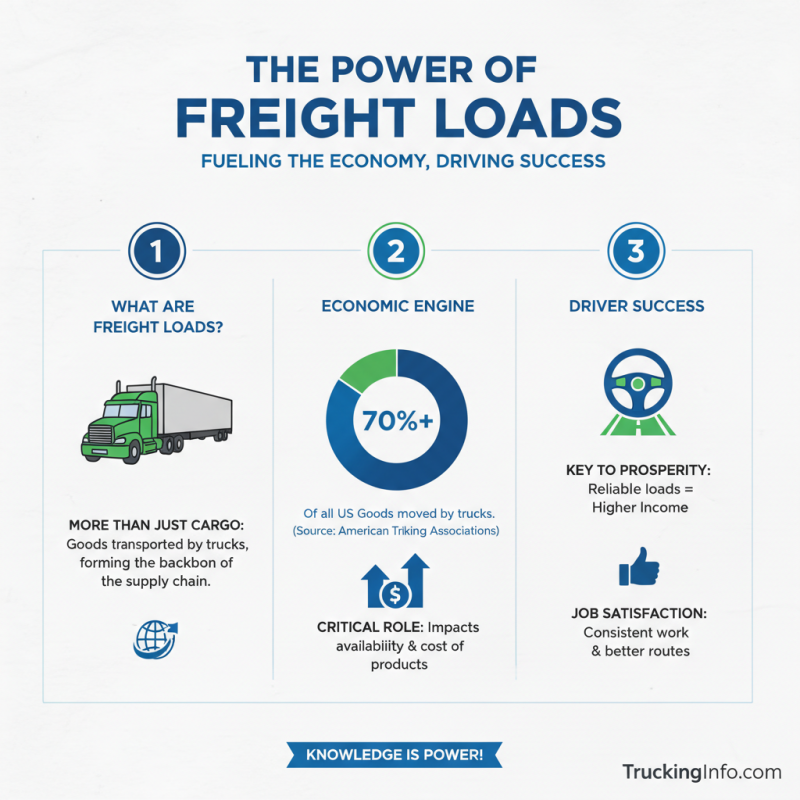
Understanding freight loads is essential for truck drivers. Freight loads are not just cargo; they represent a vital part of the supply chain. According to the American Trucking Associations, over 70% of goods in the U.S. are transported by trucks. This statistic highlights the critical role truck drivers play in the economy. The ability to find reliable freight loads can significantly impact a driver's income and job satisfaction.
Truck drivers must become adept at navigating freight load boards. Many drivers waste time searching for loads that do not match their capabilities. A study from the Freight Transportation Research Center noted that inefficiencies in load matching can lead to up to a 15% loss in potential earnings. It’s important to evaluate each load’s details, such as weight, distance, and payment terms. Some loads may seem lucrative upfront but come with hidden costs like tolls or wear and tear on vehicles.
Moreover, understanding freight trends can increase a driver's marketability. Seasonal fluctuations often impact demand. For instance, during harvest seasons, there may be a surge in agricultural freight. Familiarity with these patterns can improve decision-making. However, there is always the risk of market volatility. It’s crucial for drivers to stay informed and adapt to changes quickly. Embracing flexibility can lead to better opportunities in an ever-evolving industry.
Exploring Different Platforms to Find Available Freight Loads
Finding freight loads can be challenging for truck drivers. However, various platforms make this process simpler. Online load boards are popular. They connect carriers with shippers. Drivers can search based on location, type of cargo, and even rates. These platforms provide a real-time view of available loads. Though they are helpful, they require careful navigation.
Social media groups are also an option. Many truck drivers share leads in these forums. Participating can lead to good opportunities, but be cautious about the information. Not everything shared online may be valid. Networking with other drivers is key. Building relationships can yield tips on where to find potential loads.
Mobile apps have emerged as another tool. These apps allow drivers to find loads on the go. They often include features like load tracking and communication with shippers. However, keep in mind that technology can fail. Having a backup plan is crucial. Don't rely solely on one platform. The more resources you use, the better your chances of finding consistent work. Embrace the learning process along the way.
Freight Load Availability by Platform
Networking within the Industry: Building Relationships for Load Opportunities
Building strong relationships within the freight transportation industry is vital for truck drivers seeking load opportunities. Networking can open doors that are otherwise hard to access. A recent report by the American Trucking Associations highlighted that personal connections often lead to 25% more load offers. This statistic emphasizes the importance of having a solid network.
Many drivers overlook informal gatherings, like local trucking meetups. These events can be goldmines for networking. Engaging in conversations with fellow drivers can yield valuable insights. However, some drivers fear approaching others. They worry about coming off as pushy or desperate. This hesitation can lead to missed opportunities. Instead, building relationships is about creating a supportive community.
Utilizing social media platforms can also enhance networking. Online groups provide a space to share experiences and opportunities. Interaction in these spaces can build lasting connections. While some might be skeptical about online networking, 60% of industry professionals report securing loads through such channels. Don’t undervalue these tools; they can be game changers. But remember, the key is genuine interaction, not just self-promotion.
How to Find Freight Loads: A Comprehensive Guide for Truck Drivers - Networking within the Industry: Building Relationships for Load Opportunities
| Networking Strategy |
Description |
Expected Outcome |
| Attend Industry Events |
Participate in trade shows and conferences. |
Meet potential clients and partners. |
| Join Professional Associations |
Become a member of relevant trucking organizations. |
Gain access to exclusive load opportunities. |
| Utilize Social Media |
Engage with industry groups on platforms like LinkedIn. |
Expand your professional network. |
| Build Relationships with Brokers |
Establish connections with freight brokers. |
Improve access to freight loads. |
| Networking with other Drivers |
Share information and tips with fellow drivers. |
Discover new load opportunities. |
Navigating Load Boards: Tips and Best Practices for Truck Drivers
Navigating load boards can be a game changer for truck drivers. Understanding how to use them effectively enhances your chances of finding the right freight loads. According to reports, around 27% of truck drivers find their loads through load boards. This shows the value of mastering this tool.
When browsing load boards, focus on specific details. Look for loads that match your vehicle type and range. This can save time and avoid deadhead miles. A recent survey indicated that drivers with specific criteria for loads reduce their search time by up to 30%. Consider filtering loads based on weight, destination, and freight type.
Tip: Keep a close eye on the posting dates. Older listings may lead to wasted efforts. It’s crucial to act quickly. Load availability changes rapidly. Set up notifications for new postings in your preferred locations. This strategy can increase the likelihood of securing loads that fit your schedule.
Remember, it’s important to remain adaptable. Sometimes the best load may not fit your usual criteria. Stay open to exploring different routes or cargo types. This flexibility can boost your earnings and help you build a diverse client base. Be aware of your limits, and don’t hesitate to decline unsuitable deals.
Strategizing for Maximum Efficiency: Load Matching and Time Management
Efficient load matching is crucial for truck drivers. According to the American Trucking Association, the trucking industry moves 72.5% of all freight in the U.S. This statistic highlights the immense opportunity available. However, many drivers struggle with maximizing their efficiency. Identifying the right loads can make all the difference.
Time management plays a vital role in a driver's success. Drivers often find themselves waiting for loads. A survey from FreightWaves indicates that delays can cost drivers a significant amount of money. Utilizing load boards effectively can reduce downtime. Connecting with brokers directly can also yield better results. Engaging with local businesses might uncover hidden opportunities.
Staying organized is essential. Drivers should keep a calendar for load availability. Tracking market trends can help anticipate demand. Monitoring fuel costs is equally important. With fuel prices fluctuating, inefficient routes can eat into profits. Analyzing past deliveries can provide insights for future improvements. Every delay, every missed opportunity warrants reflection. Finding that perfect load is a balance of persistence and strategy.