What is Flatbed Loads and How to Source Them Effectively?
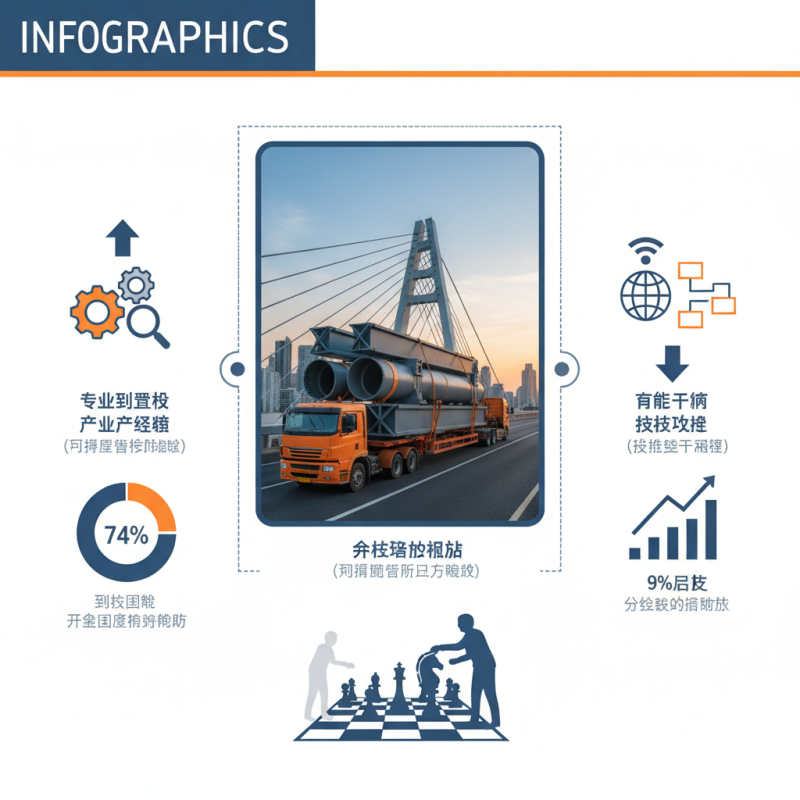
In the logistics industry, flatbed loads are essential for transporting oversized and heavy goods. The demand for flatbed trucking has surged, with the Truckload Carriers Association reporting a 9% increase in flatbed shipments in recent years. This highlights the importance of understanding how to effectively source flatbed loads.
Many shippers face challenges when searching for reliable sources. The flatbed segment requires specialized knowledge and industry connections. Research indicates that 74% of logistics professionals struggle to find consistent flatbed freight opportunities. Understanding market trends and utilizing technology can bridge this gap. Online platforms can help identify and secure available flatbed loads, enhancing efficiency.
Despite the advantages of focusing on flatbed trucking, issues persist. Quality load sourcing can be competitive. Many brokers and carriers compete for the same freight. A strategic approach is necessary. Companies must analyze their options carefully. This ensures they make informed decisions that meet their unique logistics needs while optimizing costs.
Understanding Flatbed Loads: Definition and Characteristics
Flatbed loads are unique freight challenges that require special handling. They refer to goods transported on flatbed trucks, which lack sides and a roof. This open design allows for easy loading and unloading of oversized or heavy items. Construction equipment, building materials, and large machinery often fall under this category. The ability to load from any angle is a significant advantage, facilitating deliveries that traditional enclosed trailers struggle with.
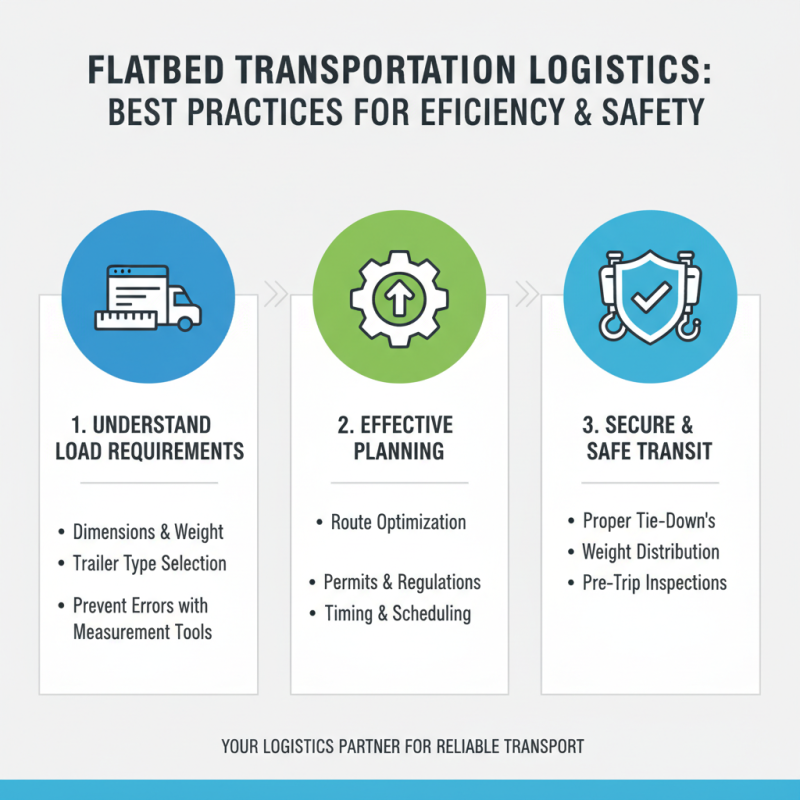
Understanding the characteristics of flatbed loads is vital for effective sourcing. Flatbed shipments often require securing and tarping, as they are exposed to the elements. This can add complexity to transportation logistics. Knowledge of proper securing techniques is necessary to prevent damage during transit. Rain, snow, and wind can all present challenges. The seasonal variations in demand for flatbed loads may influence pricing and availability.
When sourcing flatbed loads, it is essential to assess the specific needs of the cargo. Not all flatbed trucks are the same; they vary in size and weight capacity. Researching local logistics providers and industry networks can enhance sourcing efforts. However, the market may fluctuate, making it crucial to remain adaptable. Constantly evaluating partnerships and practices ensures an efficient process tailored to individual requirements.
The Importance of Flatbed Loads in Freight Transportation
Flatbed loads play a vital role in freight transportation. They provide unique capabilities for hauling oversized and heavy items. These loads facilitate the transportation of products that cannot fit into standard containers or trailers. The flexibility of flatbeds allows shippers to transport machinery, lumber, and even construction materials. This versatility makes flatbed trucking essential for various industries.
Finding flatbed loads can be challenging. Shippers often struggle with sourcing reliable carriers. Utilizing freight matching platforms can help bridge this gap. However, it's important to evaluate carriers carefully. Not all carriers have the necessary experience with flatbed handling. Some may lack the needed equipment or safety protocols. Communication with carriers about load specifics can mitigate risks.
Building a network of trusted contacts is crucial. Relationships with reliable freight brokers can ease the sourcing process. Engaging in industry forums can also provide insights on best practices. Many shippers still rely on outdated methods, leading to inefficiencies. Emphasizing continuous learning in the flatbed transportation space is essential for success. Each shipment offers a learning opportunity, highlighting areas for improvement.
Flatbed Loads vs. Dry Van Loads in Freight Transportation
Key Industries that Utilize Flatbed Loads
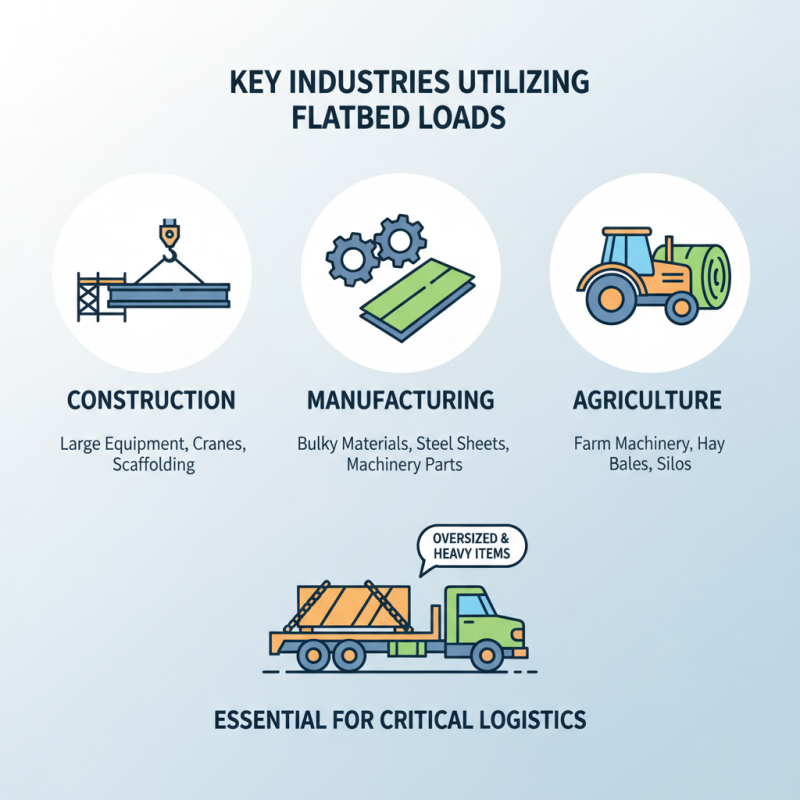
Flatbed loads are essential in various industries. They transport oversized or heavy items that standard trucks cannot carry. Key sectors include construction, manufacturing, and agriculture. Each relies on flatbed logistics for specific reasons. Construction projects often require transporting large equipment like cranes or scaffolding. Meanwhile, manufacturers move bulky materials such as steel sheets or machinery parts.
In agriculture, flatbeds are vital for hauling large quantities of produce. These loads must be secured tightly to prevent damage. When sourcing flatbed loads, understanding these industries helps optimize operations.
**Tip:** Always ensure proper securing of your cargo. Load straps and tarps can prevent shifting during transportation.
Coordination with manufacturers and suppliers is crucial. Building strong relationships helps improve transport efficiency. Communication can lead to better load availability and pricing options.
**Tip:** Regularly audit your logistics partners. This ensures reliability and enhances service quality. Keeping an eye on these details can save costs and improve safety.
Effective Strategies for Sourcing Flatbed Loads
Sourcing flatbed loads effectively requires a strategic approach. Understanding the types of freight that fit a flatbed is essential. Items like machinery, lumber, and building materials often require this method of transport. Recognizing these specifics aids in targeting potential clients. Utilize load boards as valuable tools. These platforms connect shippers and carriers directly. They can also reveal current market trends.
Building relationships is vital. Establishing connections with shippers can lead to consistent work. Networking at trade shows can help uncover hidden opportunities. Reach out through social media and industry forums. Your reputation plays a crucial role in attracting loads. Maintaining professionalism and reliability can build trust over time.
Consider utilizing technology to streamline your sourcing efforts. Leverage load-matching software to find optimal matches. This method minimizes deadhead miles and enhances efficiency. However, be aware: technology alone isn’t a magic solution. You still need to cultivate relationships. Dedicate time to understand your market. Reflect on your sourcing strategies regularly. Are they yielding desired results? Adjustments may be necessary to stay competitive.
What is Flatbed Loads and How to Source Them Effectively? - Effective Strategies for Sourcing Flatbed Loads
| Source Method |
Description |
Advantages |
Disadvantages |
| Load Boards |
Online platforms where freight is posted for transport. |
Wide variety of loads, competitive pricing. |
May require subscription fees, potential for low-quality loads. |
| Freight Brokers |
Intermediaries who connect shippers with carriers. |
Expertise in load sourcing, can negotiate rates. |
Broker fees can cut into profits. |
| Direct Shippers |
Companies that have cargo to move and contract carriers directly. |
Potentially higher pay, less competition. |
Requires building relationships, can be time-consuming. |
| Networking |
Building connections in the industry to find loads. |
Access to exclusive offerings, trust-based relationships. |
Takes time to build a network, may not yield quick results. |
| Social Media |
Using platforms to connect with shippers and other carriers. |
Broader reach, can connect with niche markets. |
Requires consistent engagement, can be unpredictable. |