What is FTL Trucking and How Does It Benefit Your Business?
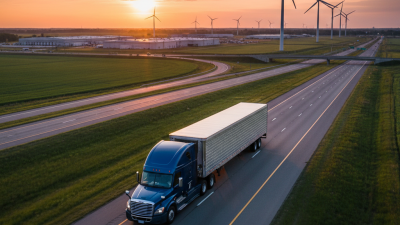
FTL trucking, or full truckload trucking, stands as a vital component in the world of logistics. This shipping method is designed for transporting large quantities of goods. Businesses often choose FTL trucking when they need to move significant loads quickly and efficiently. It offers dedicated space on a truck for a single shipment, avoiding the delays associated with sharing trailers.
This method benefits companies in numerous ways. Reduced transit times are just one advantage of FTL trucking. Because the truck carries only one shipment, it travels directly to its destination without unnecessary stops. This minimizes risks of damage or loss. Many businesses also appreciate the simplicity of logistics management that comes with FTL trucking.
However, relying heavily on this method may not always be ideal for every scenario. Smaller shipments might incur higher costs, which could affect budgets. Reflecting on the needs of a business is crucial when considering FTL trucking. It is essential to balance efficiency and cost-effectiveness to make informed decisions.
What is FTL Trucking and Its Key Characteristics?
FTL trucking, or full truckload shipping, involves dedicating an entire truck to a single shipment. This approach is especially useful for businesses with large volumes of goods. When companies choose FTL, they typically have at least 10,000 pounds of cargo. This option leads to faster transit times as there are fewer stops along the way.
Key characteristics of FTL trucking include direct routes, which ensure goods move swiftly. It provides a higher level of security for shipments since only one company's cargo occupies the truck. Reduced risk of damage occurs because fewer handling stages are involved. Additionally, it often allows for more flexibility in scheduling. Businesses might find that FTL is more cost-effective compared to other methods when they have enough freight to fill a truck.
However, not every business should lean on FTL for every shipment. Smaller loads may not justify the costs associated with full truckload services. Balancing shipping methods based on the cargo size is important. Relying solely on FTL could lead to inefficiencies if demand fluctuates. Each shipment should be assessed to optimize costs and performance.
Benefits of FTL Trucking for Your Business
Understanding the Benefits of FTL Trucking for Businesses
FTL trucking, or Full Truckload trucking, offers substantial benefits for businesses looking to streamline their shipping processes. Utilizing an entire truck for a single shipment can lead to reduced costs per unit. According to the American Transportation Research Institute, FTL shipments result in lower transportation rates due to economies of scale. This means businesses can secure better prices on larger shipments, optimizing their logistics budget.
Moreover, FTL trucking ensures greater efficiency. With dedicated truck space, goods are less likely to be delayed by consolidating shipments. In fact, a study by the Freight Transportation Services Index indicates that FTL deliveries are typically faster than less-than-truckload (LTL) options. This timely delivery can enhance customer satisfaction and lead to repeat business. However, companies must also consider their specific needs, as FTL may not always be the most cost-effective option for smaller shipments.
While adopting FTL trucking seems advantageous, it’s crucial to evaluate the volume and frequency of shipments. Not every business will consistently utilize full truckloads. An assessment of shipping patterns can reveal opportunities for improvement. The insights gained from these evaluations can help businesses refine their transportation strategies and make informed decisions. Balancing the need for efficiency with cost management is essential for maximizing the benefits of FTL trucking.
Comparing FTL Trucking to LTL Trucking: Which is Right for You?
When deciding between FTL (Full Truckload) and LTL (Less Than Truckload) trucking, understanding your business needs is crucial. FTL trucking offers a dedicated truck for your freight, which can improve shipping times. This method reduces the handling of your cargo, decreasing the risk of damage and loss. It’s ideal for large shipments that occupy an entire trailer.
LTL trucking, on the other hand, shares space with other shippers’ goods. This can save costs for smaller shipments. However, longer transit times may occur due to multiple stops. It involves more handling, which increases the risk of loss or damage. Businesses with fluctuating shipment sizes may find LTL more economical, but it often means sacrificing speed and security.
Ultimately, the choice hinges on your specific requirements. If your shipments are consistently large, FTL might be the better option. For smaller, varied loads, LTL could be more cost-effective. Consider your shipping frequency, budget, and how much you value speed versus cost. Each option has its strengths and weaknesses, and your decision should reflect your business priorities.
Cost Considerations and Pricing Models for FTL Trucking
FTL trucking, or full truckload shipping, often presents unique cost considerations for businesses. This model allows one customer to use the entire trailer. It can lead to a more efficient shipping method compared to LTL (less-than-truckload) options. According to industry reports, businesses can often save up to 10-20% on shipping costs with FTL due to reduced handling and faster transit times. These savings can improve overall logistics budget and efficiency.
Understanding pricing models is critical. Typically, FTL rates are calculated based on distance, weight, and freight type. A full truckload typically starts at an average rate of $2 to $3 per mile, depending on various factors including fuel prices and demand. Seasonal peaks can spike prices significantly. Businesses should also consider accessorial charges for special services like liftgates or inside delivery.
Tip: Always compare quotes from multiple carriers. This can help identify competitive rates. Adapting shipping strategies and routes can also unlock further savings. Reflecting on shipping needs prevents overspending. A thorough analysis can lead to better-informed decisions in FTL trucking.
How to Choose the Right FTL Trucking Service for Your Needs
When selecting an FTL trucking service, consider your cargo's specific needs. Freight class, weight, and distance are crucial factors. According to the American Trucking Associations, FTL services account for a significant portion of the $700 billion U.S. trucking industry. This underscores their importance in streamlined logistics.
Reputation and reliability matter in this choice. Researching past performance can offer insights. Studies suggest that 30% of businesses fail to vet their carriers effectively. Don't overlook insurance coverage either; it protects your shipments. A missing or damaged load could have long-term financial consequences.
Cost is a critical aspect. Understanding pricing structures helps avoid surprises. Some services may impose hidden fees. Transparency is vital. If a carrier offers excessively cheap rates, it may be too good to be true. Evaluate all options carefully and don't rush the decision. Aim to balance cost against quality for optimal results.