What is a Full Truckload Quote and How to Get One?
In the logistics industry, a "full truckload quote" is essential for businesses seeking efficient shipping solutions. With an increasing demand for freight transport, the truckload sector is projected to grow by over 4% annually, according to a 2022 market analysis. This growth underscores the importance of understanding how to navigate the full truckload quoting process.
Many companies struggle to obtain accurate quotes. Factors such as load size, distance, and shipping conditions can vary widely. Research shows that businesses often overlook these details, leading to unexpected costs. Additionally, 30% of shippers report dissatisfaction with their current quoting processes. Streamlining this process can significantly reduce costs and improve delivery times.
Getting a competitive full truckload quote involves reaching out to multiple carriers. However, this can be time-consuming and complex. Many businesses feel overwhelmed by the options available. It’s crucial to balance cost with service quality. By investing time in obtaining the right quotes, shippers can enhance their supply chain efficiency and overall operational success.

Understanding Full Truckload Shipping Basics
Full truckload (FTL) shipping is a method for transporting goods that occupy the entire space of a truck. This is ideal for businesses sending large shipments. With FTL, the shipment is delivered directly from origin to destination. This reduces handling and minimizes the risk of damage. But it can be costly for smaller shipments.
Understanding FTL shipping basics is essential for cost-effective logistics. Evaluating the weight and volume of your goods aids in calculating the best shipping options. Don’t forget to consider the distance, as it significantly impacts the quote. Sometimes, unexpected fees arise, leading to frustration. It’s important to ask questions about potential surcharges.
A full truckload quote usually requires details like pickup and delivery locations, weight, and type of cargo. Make sure to provide accurate information to avoid misunderstandings. However, inadequate preparation can lead to delays or increased shipping costs. Always double-check your figures and be clear about your needs to ensure smooth shipping operations.
Key Factors Influencing Full Truckload Quotes
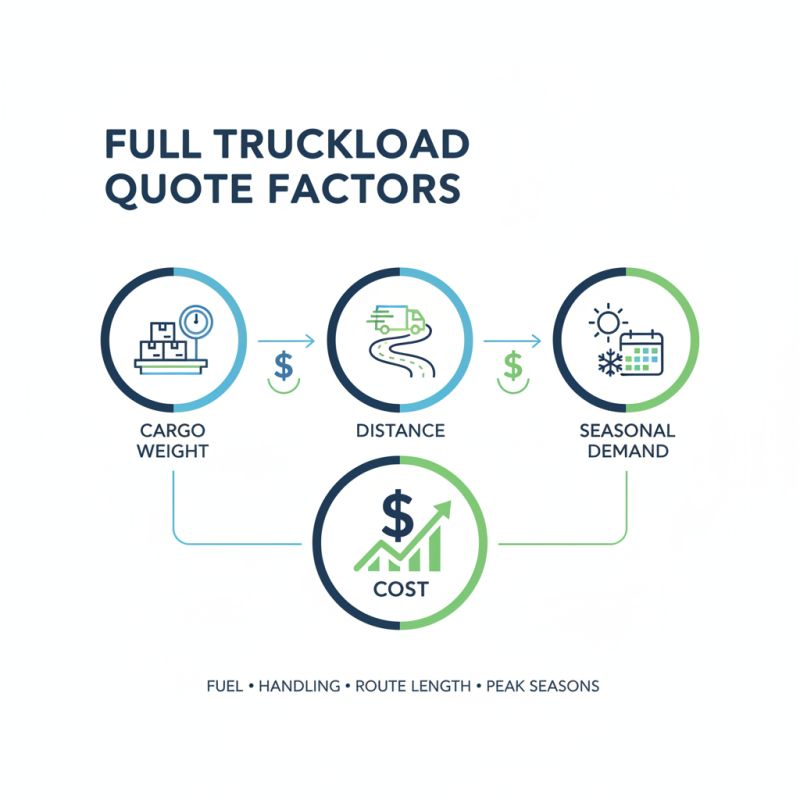
When seeking a full truckload quote, several key factors come into play. The weight of the cargo is crucial. Heavier shipments typically cost more due to fuel and handling requirements. The distance is another major factor. Longer routes will naturally increase the cost. Additionally, seasonal demand can fluctuate prices significantly. Transportation during peak seasons may require higher quotes.
Beyond weight and distance, the type of cargo matters as well. Specialized loads often need special handling, which can raise costs. If the freight requires refrigeration, that will add to the price. Accessibility at both pickup and delivery locations is critical too. Locations with difficult access may incur additional fees. It's essential to communicate any potential obstacles clearly to avoid surprises later.
Finally, the freight classification system may impact quotes. Different classes have varying rates based on their transporting criteria. Understanding these elements can be complex. It’s easy to overlook key details when rushing, which may lead to misunderstandings. Taking the time to consider these factors can make a significant difference in the final quote.
How to Gather Information for Accurate Quotes
To obtain an accurate full truckload quote, gathering the right information is crucial. Start by compiling details about the cargo. What are you shipping? Weight, dimensions, and type of materials matter. Specifics can influence pricing significantly. For example, fragile items require special handling. This will often increase costs.
Consider the route as well. Where are you shipping from and to? Distance plays a key role in the final quote. Some shipping routes can be costly due to traffic or road conditions. Local knowledge can be valuable here. Compare different routes if possible.
Tips for gathering information: Keep your data organized. Use spreadsheets to track your cargo details. This method helps prevent mistakes. Double-check your measurements and weights. Mistakes can lead to incorrect quotes. Always be prepared for unexpected costs. Not every quote includes every fee. So, ask questions to clarify what's included.
Step-by-Step Process to Request a Full Truckload Quote
Requesting a Full Truckload (FTL) quote can be straightforward if you follow a clear process. Start with gathering your shipment details. This includes weight, dimensions, and pickup and drop-off locations. According to industry reports, providing precise details can reduce your quote accuracy deviation by up to 30%.
Next, reach out to various carriers. Many use quote calculators that consider distance, fuel costs, and freight class. Input your data into their systems to get estimates. Keep in mind that it typically takes 24 to 48 hours to receive a comprehensive quote.
Tip: Always ask about hidden fees. These may include fuel surcharges or handling costs. Understanding all potential charges is crucial for informed decisions.
Finally, review the terms. Not all quotes include insurance or tracking options. Having clarity on these factors is essential. A lack of clear communication can lead to misunderstandings. It may seem daunting, but thoroughness at this stage pays off in the long run.
Comparing and Analyzing Full Truckload Quotes for Best Rates
When comparing full truckload quotes, analyzing various factors is crucial. A discrepancy of just a few cents per mile can significantly affect overall costs. According to the American Trucking Associations, the average cost of trucking reached $2.00 per mile in 2022. This means that even small differences can add up over long distances.
Consider the service levels offered along with pricing. Some carriers include additional perks, like real-time tracking or quicker delivery times. These features might come at a premium but could save time and mitigate risks. A report by FreightWaves indicated that shippers could save 10-20% by comparing multiple quotes rather than relying on a single option.
Moreover, hidden fees can distort the true cost of service. Fuel surcharges, tolls, and accessorial charges often lurk in the fine print. Shippers should be alert and ask for a detailed breakdown. Being diligent in this process can reveal inherent value in what seems like a straightforward quote. Always reflect on whether the price justifies the service level provided.