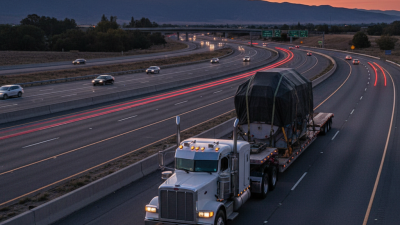
How To Get China Top Flatbed Trucking Quotes?
Finding reliable flatbed trucking quotes begins with more than entering a pickup location and delivery address. Flatbed freight behaves differently from enclosed shipments. Its dimensions, weight distribution, loading method, and securement needs can change the final price. Bob Costello, Chief Economist at the American Trucking Associations, has said, “Trucking is the backbone of the American economy.” That reality makes accurate flatbed pricing important for manufacturers, contractors, and equipment dealers.
A useful quote should identify the cargo clearly. Include its length, width, height, weight, and center of gravity. Mention whether the shipment needs tarping, chains, straps, ramps, or special loading equipment. A 12-foot steel beam may require different planning than a compact excavator, even when both weigh 8,000 pounds. Pickup flexibility also matters. A weekday appointment with a loading dock can cost less than a narrow rural pickup with limited access. Share the exact origin, destination, preferred dates, and delivery deadline.
Ask carriers to separate line-haul charges from fuel, tolls, permits, detention, and accessorial fees. Compare service details, not only the lowest number. Verify insurance, operating experience, equipment availability, and communication practices. A carrier should explain securement procedures and any legal dimensional requirements before dispatch. No estimate is perfect. Weather, capacity, route restrictions, and inaccurate cargo measurements can still change the result. I have seen quotes become expensive after one missing dimension. That is a useful warning. Request written, itemized flatbed trucking quotes, confirm every assumption, and leave room for honest revision.
Define the Load Using China’s 13.75 m × 2.55 m Flatbed Standard
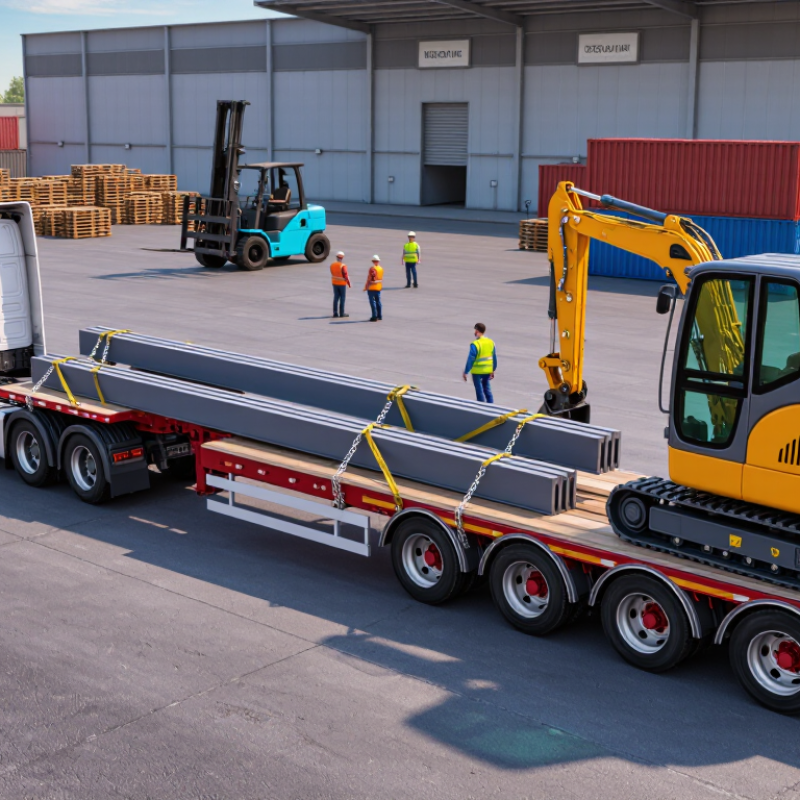
Accurate China flatbed trucking quotes begin with a precise load description. China’s 13.75 m × 2.55 m flatbed standard offers a useful planning reference. Measure the cargo itself, not only the packing case. Record length, width, height, gross weight, and the number of pieces. A steel frame may fit the deck, yet its lifting points can complicate loading.
Details matter.
Ask the carrier to confirm deck length, deck width, payload, and tie-down equipment. Share clear photos showing the cargo base and center of gravity. A low, evenly distributed load usually supports safer handling and more consistent pricing. Include pickup and delivery locations, preferred dates, loading equipment, and whether the cargo can be loaded from the side. These facts help experienced transport teams separate a realistic quote from a rough estimate.
I also check overhang before accepting a price. A load within 13.75 m × 2.55 m may still exceed practical height or axle limits after loading. Route conditions, bridge clearances, tolls, fuel changes, and waiting time can affect the final amount. Ask whether the quotation includes securing materials, loading assistance, permits, insurance options, and unloading. I have seen estimates change because one crate was measured without its wooden base. That mistake is avoidable, but easy to repeat. Confirm every dimension in writing, then request a revised quote when the cargo plan changes.
Normalize Quotes Against China’s 49 t Gross Vehicle Weight Limit
How To Get China Top Flatbed Trucking Quotes?
A reliable flatbed quote starts with a clear weight comparison. China’s 49 t gross vehicle weight limit should be the common reference point. Ask for the tractor tare weight, trailer tare weight, and rated payload separately. Then calculate usable payload: 49 t minus the complete empty combination. Include fuel, tools, spare tires, tarpaulins, and cargo-securing equipment. These small items quietly reduce capacity. A low quote may hide a heavier frame, weaker suspension, or fewer included fittings. Compare price per usable tonne, not price per vehicle. Also confirm axle arrangement, deck dimensions, tire specification, braking equipment, and delivery distance. Route rules may impose lower limits, so verify the destination requirements before ordering.
Tips: Request a signed weight sheet. Ask for weighbridge records when available. Check whether taxes, inspection, documentation, and port handling are included. Put every assumption in writing.
I would avoid trusting a quote based only on a brochure’s maximum payload. It is convenient, but not precise enough for procurement. Ask suppliers to recalculate the offer using your actual cargo weight and loading method. A steel coil, machinery unit, or timber bundle creates different axle pressures. Uneven loading can make a legal gross weight unsuitable for a specific route. Review at least three comparable quotations with the same 49 t benchmark. The cheapest option may still cost more after capacity losses, modifications, or delays. Some details remain uncertain until the final configuration is weighed. That uncertainty deserves a written allowance, not a guess.
Compare Rates by Cost per Ton-Kilometer and Route Distance
When seeking top flatbed trucking quotes in China, compare more than the final invoice. Ask each carrier for the route distance, payload, and cost per ton-kilometer. This figure makes different proposals easier to measure. For example, a 28-ton load traveling 850 kilometers needs a clear calculation. Divide the transport charge by 23,800 ton-kilometers. Check whether loading, unloading, tolls, and fuel adjustments are included.
Route distance changes the real value of a quote.
A shorter route may look cheaper, yet congested city roads can create long waiting times. A longer highway route might reduce handling and improve delivery consistency. Request a route plan with mileage, estimated driving hours, toll sections, and planned rest points. Ask whether an empty return trip affects the rate. Small details matter here.
I once compared two quotes using price alone. That was a weak comparison. The cheaper option excluded crane waiting and roadside loading support. A reliable review should also examine flatbed size, load security equipment, insurance coverage, and delivery records. Request recent examples on similar routes, but verify the details independently. Keep the same cargo weight and distance in every quotation request. Otherwise, the cost per ton-kilometer can look precise while hiding important differences.
Separate Fuel, Toll, Loading, Unloading, and 9% VAT Charges
How To Get China Top Flatbed Trucking Quotes?
A reliable flatbed quote starts with a transparent cost sheet. Ask the carrier to separate the base haul, fuel, tolls, loading, unloading, and 9% VAT. China’s standard VAT rate for many transportation services is 9%, but tax treatment can vary by service and invoice type. Confirm it in writing.
Fuel should not hide inside a vague surcharge. Request the mileage, fuel index, and adjustment period. Toll costs need equal care. Ask for route details, bridge charges, and electronic toll records when available. China’s Ministry of Transport reported that highways handled most domestic freight movements in recent years, so route selection can materially change the final price.
Loading and unloading are often underestimated. A crane, waiting time, edge protectors, or extra labor may create separate charges. State the cargo weight, dimensions, pickup equipment, and site restrictions before requesting bids. The China Federation of Logistics and Purchasing reported social logistics costs at about 14.4% of GDP in 2023, showing why small operational costs deserve attention.
Check the math twice. A lower quote may exclude unloading or VAT. That happened in real quote comparisons. It looked cheaper, but the final invoice was not. Compare identical assumptions, request itemized documentation, and leave unclear charges marked for review. The best quote is not always the lowest number.
Verify Carrier Licenses, Cargo Insurance, and Delivery-Time Terms
How To Get China Top Flatbed Trucking Quotes?
Verify the carrier’s business license and road transport qualification before comparing prices. The legal name should match the quotation, contract, and payment account. Ask for license numbers, validity dates, and the operating region. Do not guess. A carrier with unclear documents may offer a cheaper quote but create costly delays.
Request a current cargo insurance certificate, not only a verbal promise. Check the insured party, coverage limit, deductible, exclusions, and claim procedure. Confirm whether protection covers loading, transit, unloading, weather exposure, and cargo secured on an open flatbed. Share accurate cargo details, including dimensions, weight, value, pickup location, and delivery address. Incorrect information can weaken a claim. Get it in writing.
Delivery terms deserve the same attention as the rate. The quote should state pickup windows, estimated transit time, unloading responsibilities, waiting charges, tolls, and delay compensation. Ask how the carrier handles traffic restrictions, port congestion, or unsuitable loading conditions. A firm delivery date may not be realistic during peak periods. That is easy to overlook. Compare at least three complete quotes using identical cargo details and service terms. The lowest number is not always the most reliable choice. A clear document trail, responsive communication, and consistent answers are stronger signs of professional service.
How To Get China Top Flatbed Trucking Quotes? Verify Carrier Licenses, Cargo Insurance, and Delivery-Time Terms
Use this 100-point screening model when comparing China flatbed trucking quotes: confirm carrier licensing first, then verify cargo insurance coverage and obtain clearly defined pickup, transit, and delivery-time terms in writing.