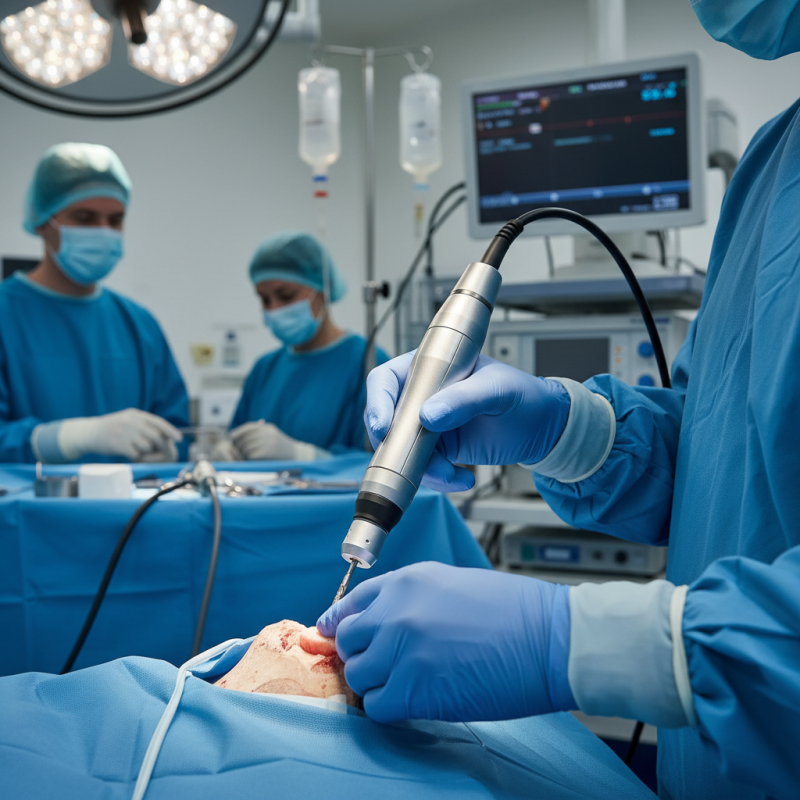
Why is the Universal Bone Drill Essential in Surgery?
The Universal Bone Drill is a pivotal tool in modern surgical practices. Its versatility makes it indispensable across various types of operations. Surgeons depend on it when performing intricate procedures, saving time and enhancing precision.
This drill caters to multiple specialties, including orthopedics and neurosurgery. Its ergonomic design provides comfort during extended use. Surgeons can adapt it to different bone types and surgical environments. However, challenges exist. Training is essential to maximize its effectiveness, and not all practitioners possess equal skill levels.
Furthermore, some may overlook maintenance, which can impact outcomes. The Universal Bone Drill embodies both innovation and complexity. It symbolizes progress but invites reflection on continuous learning. Surgical teams must stay informed and proficient. In the dynamic field of medicine, improvement is an ongoing journey.
The Importance of the Universal Bone Drill in Surgical Procedures
The Universal Bone Drill plays a critical role in surgical procedures, particularly in orthopedics. This tool allows for precise bone drilling, which is essential for various surgeries. Surgeons rely on its versatility to perform tasks ranging from inserting screws to creating access points for joint replacement.
One notable feature of the Universal Bone Drill is its ability to adjust to different bone densities. This adaptability is crucial, as not all bones react the same way during surgery. A drill that works efficiently on dense bone may struggle with softer bone. Surgeons must be aware of these differences during procedures. Over-relying on one setting may lead to complications.
Moreover, the Universal Bone Drill's design enhances surgical efficiency. Its user-friendly interface allows for quick adjustments, minimizing the time a patient spends under anesthesia. However, it is not without challenges. Surgeons sometimes face difficulties in maneuvering the drill in tight spaces. This can lead to not-so-perfect results, prompting reflection on techniques and approaches. Adapting to the drill's nuances takes time and practice.
Key Features of the Universal Bone Drill for Effective Surgery
The Universal Bone Drill is a game changer in the surgical field. Its versatile design allows for various procedures. One key feature is its adjustable speed settings. This allows surgeons to tailor the drill speed based on the bone type and surgical requirements. Research shows that optimal speed can reduce thermal damage to bone by up to 30%. Surgeons appreciate such precision during delicate operations.
Another significant aspect is its lightweight construction. This aids in reducing fatigue during extensive surgeries. A study indicated that wrist strain is a common issue among orthopedic surgeons, affecting 62% of them. A lighter tool can make a noticeable difference. Yet, even with this innovation, some surgeons report discomfort after long procedures. This raises questions about ergonomic design that still needs to be addressed.
The tool’s ability to integrate with advanced imaging tech is another advantage. It allows real-time feedback, improving accuracy. Statistics reveal that surgeries using image guidance see a 25% decrease in complications. However, not all surgical teams utilize this feature fully. There's still room for training on integration. These elements contribute to the Universal Bone Drill's reputation as an essential tool in modern surgery.
Importance of Universal Bone Drill in Surgery
The Universal Bone Drill is essential in surgery due to its precision, speed, versatility, safety, and ergonomic design. This bar graph illustrates the key features of the drill rated on a scale of 1 to 10, demonstrating its critical role in enhancing surgical outcomes.
Applications of the Universal Bone Drill in Various Surgical Fields
The Universal Bone Drill is crucial in surgery due to its versatility. Surgeons utilize it across various fields, including orthopedic, neurosurgery, and dental practices. This tool offers precision and ease in bone cutting. For example, orthopedic surgeons often require accurate drilling for implant placements. A reliable drill makes this task more efficient.
In neurosurgery, the ability to create precise openings can be life-saving. The Universal Bone Drill allows access to the skull with minimal damage to surrounding tissues. It's effective for creating burr holes and removing cranial lesions. However, surgeons must maintain focus to avoid unnecessary complications.
Tip: Always ensure the drill's rotation speed is appropriate for the procedure. High speeds can lead to overheating and bone necrosis.
In dental surgery, the drill aids in procedures like tooth extractions and implants. The ability to manipulate the drill in tight spaces is vital. Training is essential. Surgeons must practice to develop the necessary skills for delicate operations.
Tip: Keep the drill well-maintained. A dull drill increases the risk of accidents. Regular checks can prevent mishaps.
Advantages of Using the Universal Bone Drill over Traditional Tools
The Universal Bone Drill stands out in surgical settings. Its design offers versatility that traditional tools lack. Surgeons can use it across various procedures. This adaptability saves time and enhances efficiency.
One key advantage is precision. The drill reduces tissue damage during operations. Surgeons need to minimize trauma for better recovery. The Universal Bone Drill excels in this area, making operations safer. Additionally, its ergonomic design ensures a comfortable grip. This comfort leads to better control during procedures.
However, not every surgeon feels completely at ease with new tools. Familiarity with traditional instruments creates hesitation. Transitioning to a Universal Bone Drill requires practice. Training is crucial for mastering its use. Some may struggle to adjust. This ongoing need for skill refinement reflects the challenges in surgical innovation.
Future Innovations and Developments in Bone Drilling Technology
Bone drilling technology plays a pivotal role in modern surgical procedures. The Universal Bone Drill offers versatility, but its potential is only beginning to be realized. Future innovations aim to enhance precision and minimize patient recovery time. Imagine a drill that adapts to different bone densities. This adaptability could significantly change surgical outcomes.
New materials are also on the horizon. Advanced composites might reduce weight and improve durability. Enhanced battery life will allow surgeons to work longer without interruptions. However, these innovations come with challenges. Ensuring safety and efficiency remains a priority. Is the industry moving too fast? Testing is essential.
Moreover, integrating technology like AI could refine drilling techniques. This could provide real-time feedback during surgeries. Yet, the reliance on technology raises questions. Are we risking human intuition in a field that demands it? Balancing innovation with experience is crucial for safe procedures. The future is bright but complex.