What is Intermodal Trucking and How Does It Work?
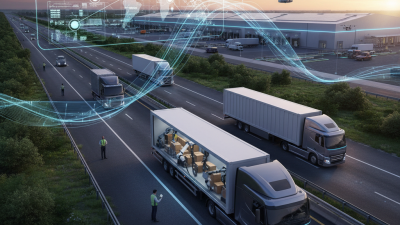
Intermodal trucking is a vital part of the logistics industry. This mode of transport combines different methods to move goods efficiently. According to logistics expert John Smith, “Intermodal trucking transforms how we think about freight movement.” His insights highlight the importance of this approach.
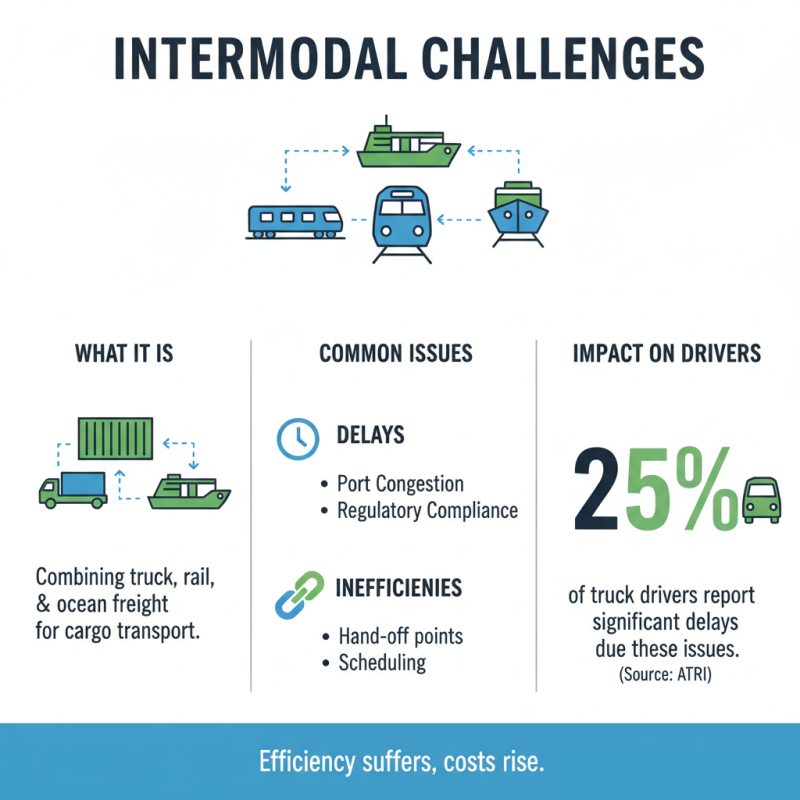
In today’s fast-paced market, intermodal trucking provides flexibility. It integrates trucks, trains, and ships for optimal efficiency. For example, a shipment might start on a truck before transferring to a train for long-distance travel. This method minimizes costs and time. However, it can lead to delays due to transfers. Coordinating different transport modes can be complex.
Challenges exist in maintaining schedules and addressing damages. Communication among carriers is crucial to navigate potential pitfalls. Despite hurdles, the benefits of intermodal trucking are substantial. Companies increasingly rely on this approach to meet consumer demands. Balancing these aspects can help improve overall efficiency in logistics.
What is Intermodal Trucking? Definition and Overview
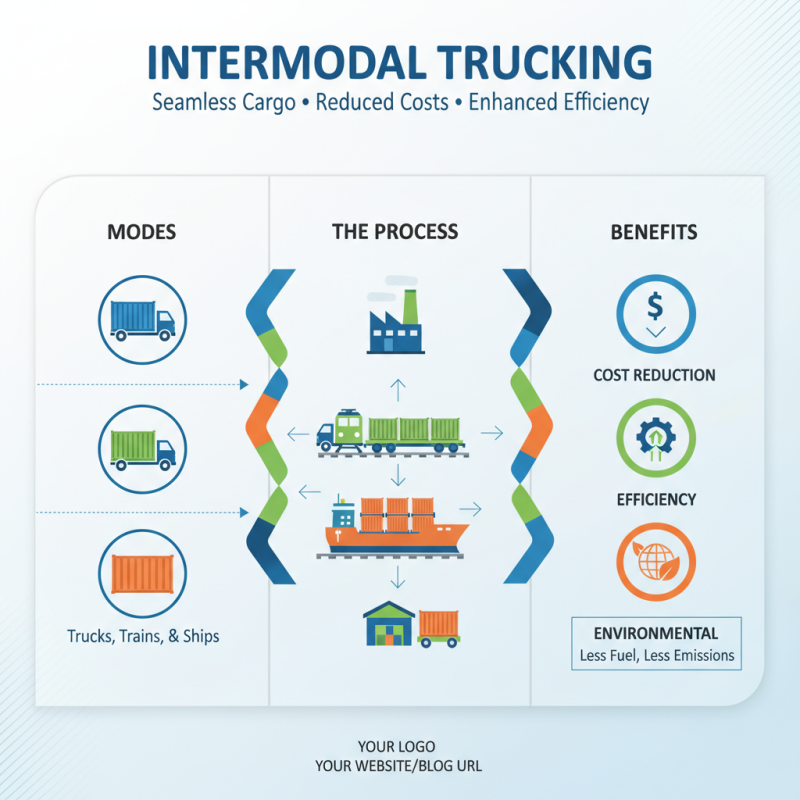
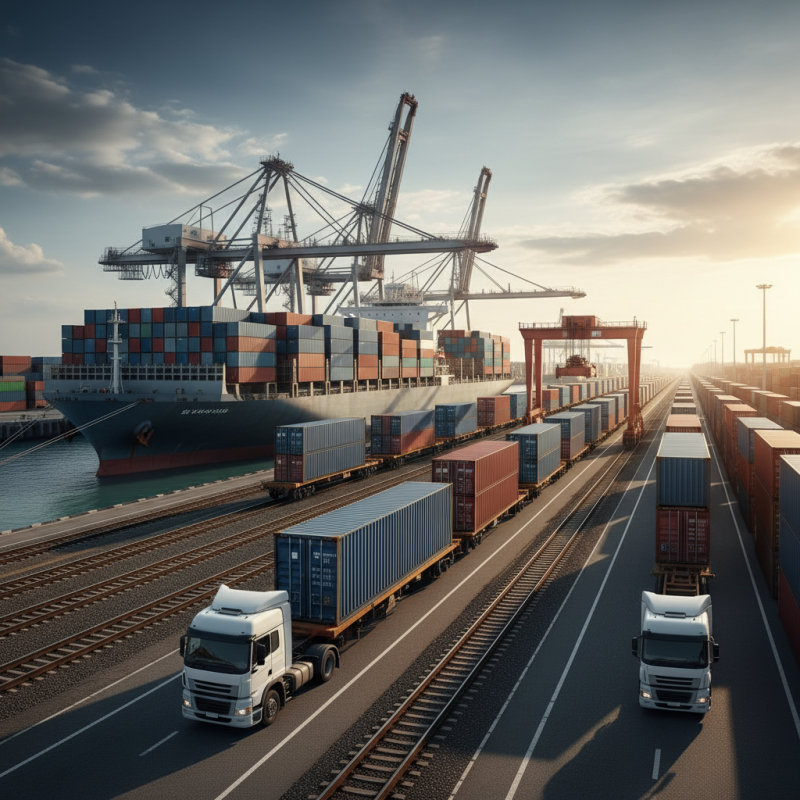
Intermodal trucking merges multiple transport modes. It typically involves trucks, trains, and shipping containers. This setup helps to enhance efficiency and reduce costs.
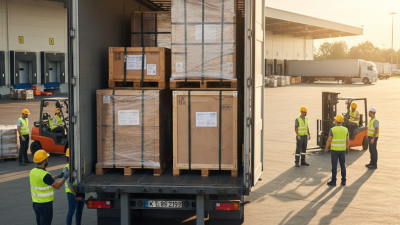
Trucking is essential in this system. It manages the last-mile delivery, ensuring cargo reaches final destinations. Containers used in this process are standardized. This standardization simplifies handling and can lower transit times.
Tips for a smoother intermodal experience: Always check container sizes before booking. Understanding the limitations of your cargo can avoid delays. Additionally, communicate regularly with your logistics provider. Delays are common, but staying informed can keep stress levels low. Sometimes, not all routes are ideal, and reevaluating options may be necessary.
Relying solely on one transport method can lead to missed opportunities. Intermodal solutions can provide flexibility, yet the planning stage often reveals shortcomings in communication. Every movement of goods involves a degree of unpredictability. Embrace these challenges to improve future shipments.
Key Components of Intermodal Transportation: Trucks, Trains, and Ships
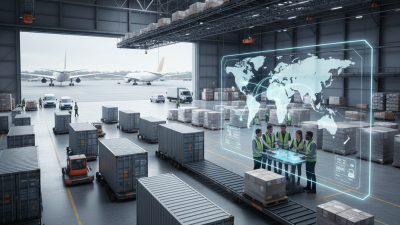
Intermodal transportation plays a crucial role in global logistics. It combines trucks, trains, and ships, optimizing efficiency. According to a report by the American Association of Railroads, intermodal freight transport has increased by 60% since 2000. This growth reflects its effectiveness in reducing carbon footprints and enhancing delivery speeds.
Trucks are essential for the first and last-mile deliveries. They transport cargo to rail terminals or ports. A study by the Institute of Transport Economics indicates that truck transport is vital for 70% of intermodal shipments. However, congestion on roads can delay these deliveries, affecting overall transit times. Meanwhile, trains handle large volumes over long distances efficiently. Shipping costs drop when bulk goods are moved via rail. Yet, rail transport can be hindered by track availability and maintenance schedules, leading to potential bottlenecks.
Ships, often used for international freight, carry containers across oceans. Increasing port delays have emerged as a significant issue. The World Shipping Council reported a 30% increase in port waiting times in recent years. These delays can disrupt the entire intermodal chain. Close collaboration among all modes is essential to minimize these issues. Each component in intermodal transport must adapt and evolve to meet the growing demands of global trade.
Intermodal Transportation Efficiency by Mode
Benefits of Intermodal Trucking: Cost Efficiency and Reduced Transit Times
Intermodal trucking combines different transportation modes to move goods efficiently. This approach often leads to significant cost savings. By using both rail and road, companies reduce fuel expenses. Longer distances benefit the most. The rail segments are typically more cost-effective than trucking alone.
Reduced transit times are another key advantage. Intermodal trucking allows faster connections between major hubs. Containers can move swiftly from trains to trucks. This swift transfer minimizes delays at terminals. Quick transit times fade into traditional cargo transport's long wait periods. However, it’s crucial to plan properly. Delays can occur if logistics are not handled well.
**Tip:** Always choose reliable intermodal partners. Poor coordination can extend delivery times. It’s beneficial to stay in contact throughout the shipping process. Another tip is to track your shipments regularly. Being aware can help address issues promptly. Despite its advantages, intermodal trucking demands effort. Companies must ensure that they maximize benefits.
What is Intermodal Trucking and How Does It Work? - Benefits of Intermodal Trucking: Cost Efficiency and Reduced Transit Times
| Dimension |
Data |
| Cost Savings Compared to Traditional Trucking |
20-30% |
| Average Transit Time Reduction |
10-15% |
| Emissions Reduction |
15-25% |
| Percentage of Freight Moved Intermodally |
15% |
| Intermodal Volume Growth Rate (Annual) |
3-5% |
| Number of Intermodal Rail Terminals in Operation |
Over 300 |
| Average Distance for Intermodal Transport |
750 miles |
Statistics on Intermodal Freight Growth: Market Trends and Projections
Intermodal trucking is rapidly growing in importance within the logistics industry. Recent statistics show a significant rise in intermodal freight. In 2020 alone, intermodal volumes surged by over 10%. This highlights the increasing reliance on a combination of different transport modes. Rail, truck, and sometimes ships work together to create efficient delivery systems.
As businesses seek sustainability, intermodal options offer reduced carbon footprints. Projections for the next decade predict a further increase in this sector. Analysts expect the intermodal market to grow annually by more than 6%. This growth correlates with the expansion of e-commerce, which demands innovative logistics solutions.
However, challenges remain, such as infrastructure limitations. Certain regions struggle to accommodate this growth. It is crucial to address these issues for continued progress in intermodal transportation.