What is Logistics Trucking and How Does It Benefit Your Supply Chain?
In today's fast-paced economy, logistics trucking plays a vital role in supply chain efficiency. According to the American Trucking Associations, trucking moves about 72.5% of all freight in the United States. This is a staggering statistic that highlights the dominance of trucking in the logistics industry. Effective logistics trucking enables businesses to meet customer demands swiftly, reducing lead times and enhancing satisfaction.
Companies need to understand the multifaceted benefits of logistics trucking. It not only helps in managing inventory better but also allows for cost-efficient transportation. A report from the Council of Supply Chain Management Professionals indicates that logistics costs represent about 10.5% of GDP. Investing in efficient trucking services can substantially cut these costs. However, challenges abound, such as fluctuating fuel prices and driver shortages, which can hinder operations.
Addressing these challenges with strategic solutions is essential for optimizing logistics trucking. Continuous improvement in routing, timely delivery, and utilizing technology can help firms gain an edge. Still, businesses must remain adaptable and ready to critique their logistics models. The landscape of logistics trucking is evolving, and those who embrace change will ultimately thrive.
What is Logistics Trucking and Its Role in Supply Chain Management?
Logistics trucking plays a crucial role in supply chain management. It ensures timely delivery of goods across various regions. The efficiency of trucking impacts inventory levels and customer satisfaction. According to the American Trucking Associations, over 70% of freight in the U.S. is transported by trucks. This statistic highlights its importance in daily operations.
Effective logistics trucking involves planning routes and managing resources. Poor planning can lead to delays and increased costs. In fact, a study from the Council of Supply Chain Management Professionals reveals that logistics costs account for about 8% of the U.S. GDP. These figures indicate the need for companies to optimize their trucking operations to remain competitive.
While logistics trucking is essential, it also faces challenges. Rising fuel costs and driver shortages can disrupt the supply chain. The need for skilled drivers has increased by 400,000 over the last few years. Companies must adapt to these issues to improve service levels. Being flexible in logistics strategies is vital for long-term success.
Key Components of Logistics Trucking in Modern Supply Chains
Logistics trucking plays a pivotal role in the efficiency of modern supply chains. One key component is real-time tracking technology. According to the American Transportation Research Institute, logistics companies employing advanced tracking have cut freight delays by up to 30%. These systems enhance visibility, enabling companies to respond quickly to unexpected disruptions.
Another essential factor is route optimization. Data from the Federal Motor Carrier Safety Administration highlights that optimizing trucking routes can reduce fuel consumption by 10-15%. This not only lowers costs but also minimizes carbon footprints, aligning with growing sustainability goals in logistics. However, relying solely on technology can pose challenges; an over-reliance may ignore local road conditions that affect route efficiency.
Driver management is equally crucial. Proper training and regular communication can elevate performance and safety. The National Institute for Occupational Safety and Health reports that well-supported drivers are 50% less likely to experience accidents. Yet, many companies struggle with turnover rates, which averaged 72% in the trucking industry in 2021. Addressing these issues is vital for building a robust supply chain.
Benefits of Logistics Trucking for Businesses and Their Supply Chains
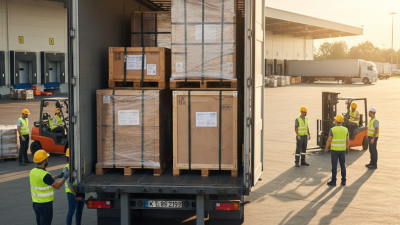
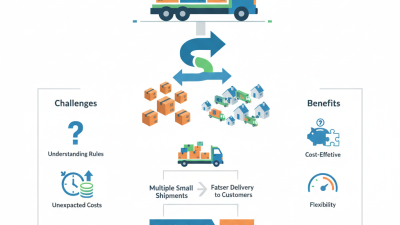
Logistics trucking plays a crucial role in supply chain management. Efficient transportation of goods ensures timely delivery to customers. It enhances responsiveness and flexibility, allowing businesses to adapt to changing demands. With specialized trucking services, companies can reach remote locations. This improves market reach, potentially increasing sales.
Many businesses find that logistics trucking reduces overall costs. By optimizing routes and load capacities, companies minimize fuel consumption. This leads to lower transportation costs and enhances profitability. A well-functioning trucking service also reduces delays, which can hurt customer satisfaction.
However, some challenges exist in logistics trucking. Traffic conditions and weather can affect delivery times. Businesses must constantly assess and adapt to these factors. Communication with trucking providers is vital to ensure transparency. This helps in building reliable partnerships. A lack of adaptability may result in higher costs or delays, hurting business reputation.
Benefits of Logistics Trucking for Businesses
Challenges Faced in Logistics Trucking and How to Overcome Them
Logistics trucking is an essential component of supply chains today. However, it faces significant challenges that can disrupt efficiency. High fuel costs have increased operational expenses by nearly 30% over the past year, leading to tighter profit margins for many companies. Additional factors include driver shortages and regulatory compliance, which add complexity to logistics operations.
One major issue is the unpredictable nature of demand. A report from the American Trucking Associations indicates that 61% of carriers struggle to meet fluctuations in shipping needs. To address this, businesses can implement technology solutions such as predictive analytics. These tools can anticipate demand changes, allowing companies to adjust their transportation strategies proactively.
Moreover, the lack of real-time visibility creates challenges in route optimization. Studies show that 40% of logistics providers do not have tracking capabilities. This results in delays and increased costs. Investing in GPS tracking and automated systems can enhance transparency. By focusing on these challenges, companies can protect their supply chains and improve overall reliability in logistics trucking.
Future Trends in Logistics Trucking and Supply Chain Efficiency
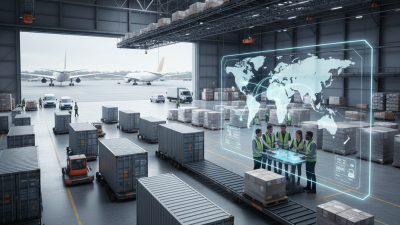
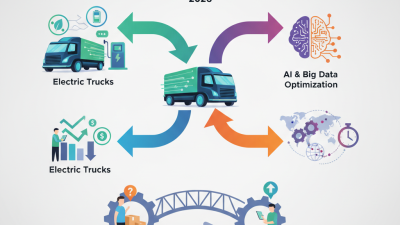
The logistics trucking sector is evolving rapidly, driven by technological advancements and changing consumer demands. Automation and AI are reshaping how goods are transported. Fleets that adapt to these technologies improve their efficiency. Real-time tracking helps businesses monitor shipments closely, allowing for prompt responses to delays.
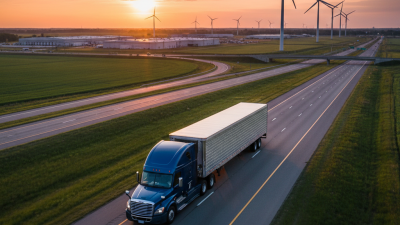
Sustainability is becoming increasingly important in logistics. Many companies are exploring eco-friendly fuel options and optimizing routes to reduce carbon emissions. But integrating these practices can be challenging. Some organizations struggle to balance cost and environmental impact. As a result, there's a push for data-driven insights to guide decision-making in this area.
Collaboration across supply chains is also crucial. Shippers, carriers, and suppliers must work together seamlessly. Yet, communication gaps often hinder efficiency. Companies must prioritize building strong partnerships to enhance overall performance. Investing in training and developing a robust network can pave the way for future success in logistics trucking, but it requires ongoing dedication.
What is Logistics Trucking and How Does It Benefit Your Supply Chain?
| Dimension |
Description |
Benefit |
| Cost Efficiency |
Utilizing dedicated logistics trucking services to reduce transportation costs. |
Lower overall supply chain expenses. |
| Flexibility |
Ability to quickly adapt trucking capacities based on demand. |
Meeting customer needs efficiently. |
| Tracking Technology |
Integration of GPS and tracking systems in logistics trucking. |
Enhanced visibility and accountability. |
| Sustainability |
Adoption of eco-friendly trucking options. |
Reduction of carbon footprint. |
| Speed of Delivery |
Improved logistics planning leading to quicker transit times. |
Increased customer satisfaction through faster service. |