How to Safely Move a Container by Yourself and What You Need to Know
When it comes to the logistics of relocating your possessions, whether for personal or business reasons, the task of moving a container can seem daunting. According to logistics expert John Harrison, who has over two decades of experience in freight and transportation management, "Moving a container successfully requires careful planning, the right tools, and an understanding of safety protocols." His insights emphasize the importance of preparation and knowledge in achieving a seamless relocation.
In this guide, we will explore essential tips and strategies to safely move a container by yourself, allowing you to maximize efficiency while minimizing risk. From selecting the appropriate equipment to understanding the terrain and weather conditions, each element plays a critical role in the success of your move. As you navigate through the necessary steps, you will gain confidence in tackling this challenging yet rewarding task.
By arming yourself with the right information and resources, you can transform the process of moving a container into a manageable undertaking. Join us as we delve deeper into the intricacies of container relocation, ensuring that you are equipped to handle every aspect of the process with ease and safety in mind.

Understanding Container Types and Sizes for Safe Moving
When moving a shipping container, understanding the various types and sizes available is crucial for a safe and efficient relocation. Shipping containers generally come in standard sizes of 20 feet and 40 feet, with the 20-foot container having a capacity of approximately 1,172 cubic feet and the 40-foot container offering around 2,390 cubic feet of space. According to the International Maritime Organization, over 90% of the world's trade is transported in containers, highlighting the importance of recognizing their varying types—such as dry storage, refrigerated, and open-top containers—when planning a move. Each type serves different purposes: for instance, refrigerated containers are ideal for perishable goods, while open-top containers are used for oversized cargo.
Moreover, it’s essential to consider the weight capacity of the containers, which typically ranges from 30,000 to 67,200 pounds depending on the size and type. The maximum weight, known as the Gross Tare Weight (GTW), can significantly influence transportation methods. A report by the World Cargo Alliance indicates that improper handling of containers, particularly those exceeding weight limits, can lead to accidents and costly damage, emphasizing the necessity of correct equipment and methods for moving. Additionally, familiarity with local regulations pertaining to container movement is vital since restrictions may differ based on size and weight, affecting the mode of transportation available. Therefore, well-informed planning and an understanding of container specifications are key components that contribute to a successful container move.
Essential Tools and Equipment for Moving a Container Alone
When moving a container by yourself, having the right tools and equipment is essential to ensure a smooth and safe process. Firstly, invest in a sturdy hand truck or dolly. These tools help distribute the weight of the container, making it easier to maneuver, particularly in tight spaces. Additionally, using straps or ratchet ties can secure the container during transport, preventing any accidental shifts that could lead to damage or injury.
Moreover, consider utilizing a few other key pieces of equipment. A hydraulic jack can assist in lifting the container slightly off the ground, making it easier to slide onto a trailer or platform. Safety gloves are crucial to protect your hands from potential injuries while handling heavy materials. Lastly, if you have access to a helper, even temporarily, an extra set of hands can vastly improve efficiency and safety while moving the container, allowing you to focus on the logistics of the move itself.
Container Moving Essentials: Tools and Equipment
Step-by-Step Guide to Preparing the Moving Site
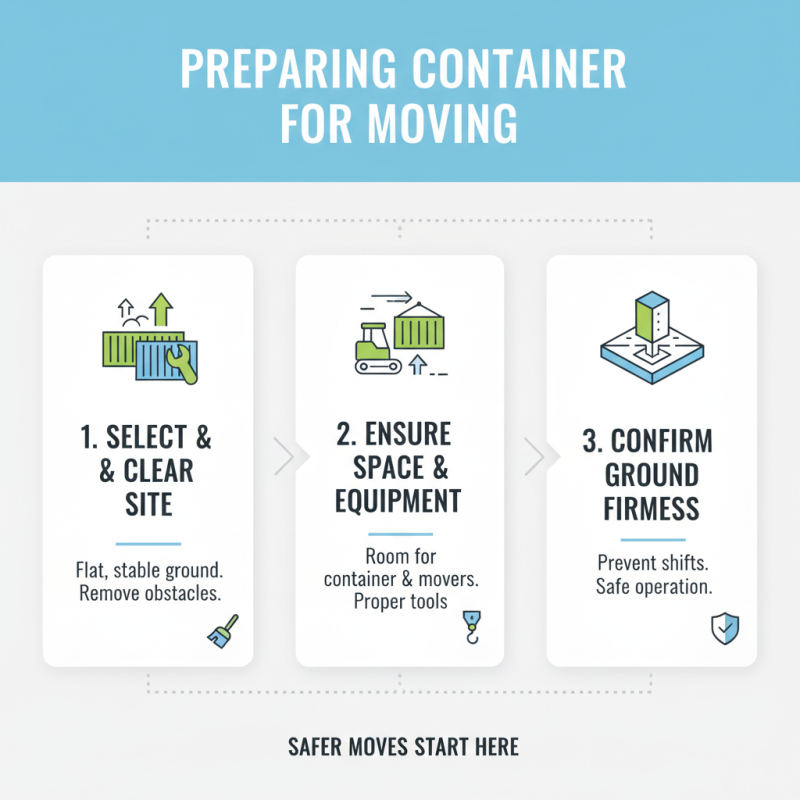
When preparing to move a container, the first step is to set up a suitable moving site. This involves selecting a flat, stable area with enough space for both the container and the moving equipment. Clear any obstacles such as debris or overhanging branches that might interfere with the moving process. Ensuring the ground is firm and even will prevent any unexpected shifts or imbalances during the move, creating a safer environment for the entire operation.
Tips: Always check the weather forecast before moving day. Rain or strong winds can complicate the moving process and pose safety risks. If the area is prone to flooding, consider temporary supports or barriers to protect the container and your equipment.
Next, it's crucial to mark the space where you plan to place the container. Use cones or flags to outline boundaries and indicate the direction of movement. This not only helps in visualizing the space needed but also keeps bystanders aware of the moving operation. Establish a clear communication plan with anyone involved in the process to coordinate when and how the container will be moved, ensuring that everyone is aware of their roles and responsibilities.
Tips: If possible, enlist the help of a friend or family member to aid in communication and provide an extra set of hands. Having someone familiar with the site can also help monitor the surroundings for safety hazards while you're focused on maneuvering the container.
Techniques for Lifting and Maneuvering the Container Safely
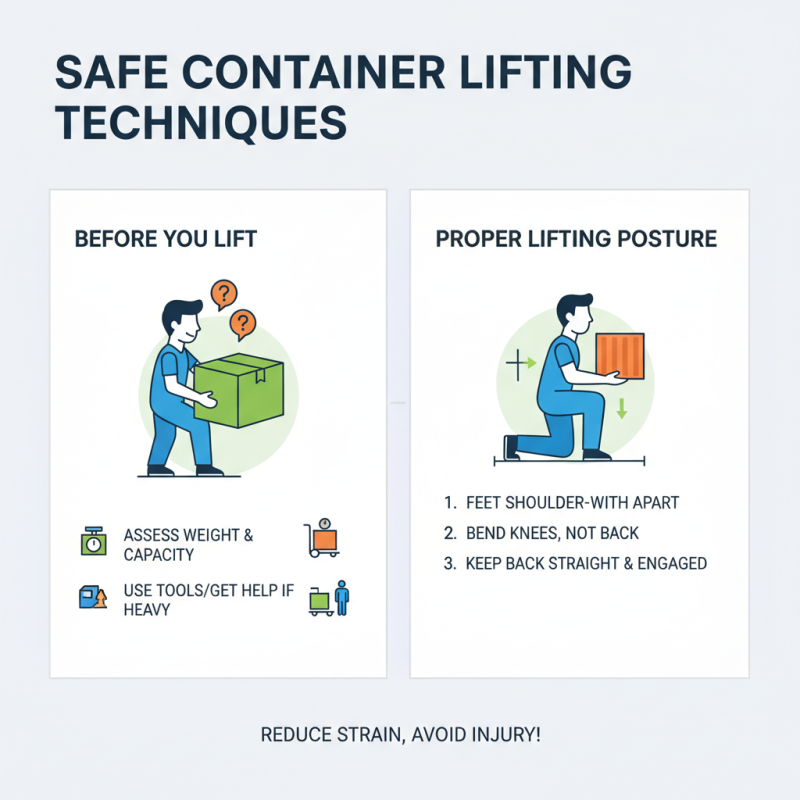
When it comes to safely moving a container by yourself, understanding the right techniques for lifting and maneuvering is crucial to avoid injury and damage. One of the most effective methods is to use a proper lifting technique, which begins with assessing the weight of the container. Before attempting to lift, determine if the container is within your capacity. If it feels too heavy, consider using tools or getting assistance. If you decide to lift it, keep your feet shoulder-width apart, bend your knees, and keep your back straight. This posture distributes the weight evenly, reducing the risk of strain.
Once you have your lift under control, maneuvering the container demands a keen awareness of your surroundings. Maintain clear visibility and ensure there is ample space for movement to avoid any obstacles. Use slow, deliberate movements rather than quick, jerky motions. When turning, pivot your feet instead of twisting your back to maintain balance and stability. Additionally, if you're moving the container over an uneven surface, take extra precautions by testing the ground ahead and adjusting your path as necessary to ensure safety throughout the process. With these techniques in place, you can ensure a safer experience while moving containers on your own.
Best Practices for Securing the Container During Transportation
When preparing to move a container by yourself, securing it properly during transportation is paramount. First and foremost, ensure that the container is locked and all doors are securely closed. Utilizing heavy-duty straps or tie-downs will help to stabilize the container and prevent any shifting that might occur during transit. These straps should be tightly fastened to designated anchor points on the container and affixed to the vehicle transporting it. This creates a reliable connection that minimizes movement and reduces the risk of damage.
Additionally, it is critical to distribute the weight inside the container evenly. Uneven weight distribution can lead to instability, making the transport process more hazardous. If applicable, use blocks or chocks to prevent the container from rolling, especially when parked or on slopes. Implementing these strategies helps in managing the center of gravity, ensuring that the load remains balanced as you navigate different terrains. By adhering to these best practices, you can safely transport your container while minimizing potential risks associated with movement.