What is a Sea Container and How is it Used?
The sea container industry is vital to global trade, facilitating the movement of goods worldwide. According to the International Maritime Organization (IMO), over 80% of the world’s merchandise is transported by sea. A sea container is a standardized shipping unit, designed to be transported easily by various modes of transport, including ships, trucks, and trains.
Industry expert John Smith from the Container Shipping Association states, “Sea containers revolutionized logistics by standardizing shipments and reducing costs.” This standardization allows for efficient loading and unloading, streamlining supply chains across continents. However, in an increasingly crowded market, challenges like port congestion and rising operational costs persist.
Despite advancements, the sea container sector must continually evolve. Sustainable practices and innovations are necessary to address environmental impacts. Balancing efficiency with ecological responsibility remains an ongoing challenge. The journey of a sea container is not just about movement; it reflects the complexities of global commerce.
What is a Sea Container: Definition and Purpose
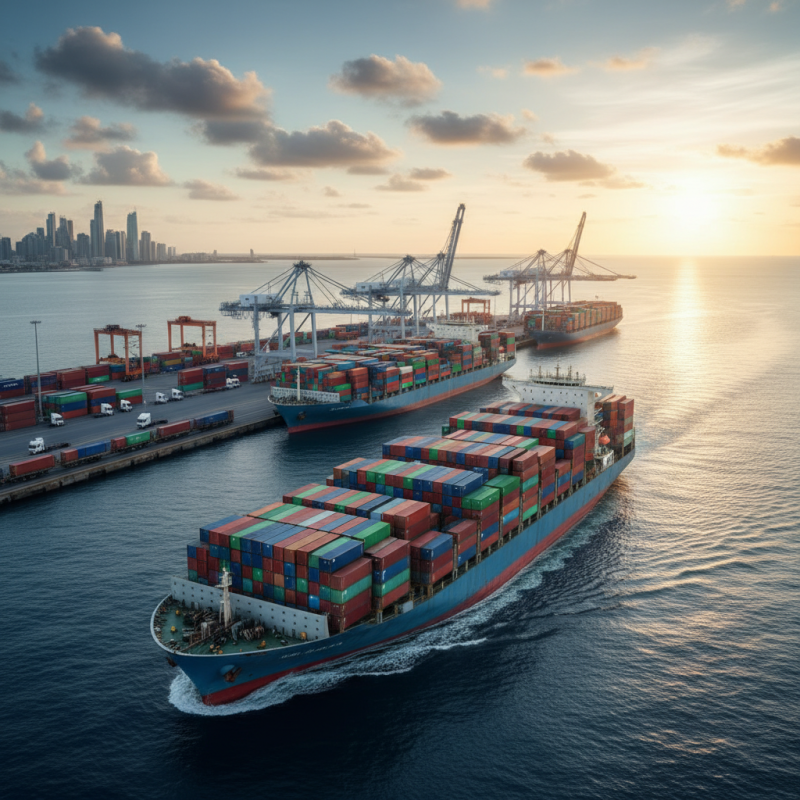
A sea container, often referred to as a shipping container, is a robust metal box designed for transporting goods over water. These containers come in standard sizes, typically 20 and 40 feet long. Their primary purpose is to facilitate global trade by securely packaging cargo. As of recent data, it is estimated that around 90% of the world's trade is carried out using shipping containers. This makes them critical for the supply chain.
Using sea containers offers several advantages. They protect goods from weather conditions, theft, and damage during transit. Additionally, they are stackable, making efficient use of space on ships and in ports. With the growth of e-commerce, the demand for container shipping has surged dramatically. According to industry reports, container shipping volume increased by over 4% in recent years, emphasizing their importance.
**Tips:** When choosing a sea container, consider the type of cargo. Ensure it has the appropriate ventilation if you’re transporting perishable goods. Inspect the container for any damage before loading. Moreover, understanding port fees and regulations can save you unexpected costs.
Remember that sea containers have limitations too. Not all goods are suitable for transport in these containers. Bulky or oddly shaped items might not fit. It's essential to reflect on the nature of your cargo before making use of a sea container.
Usage of Sea Containers in Global Trade
This bar chart illustrates the number of sea containers used in different regions around the world, highlighting the significance of each region in global trade logistics.
Types of Sea Containers: Variants and Specifications
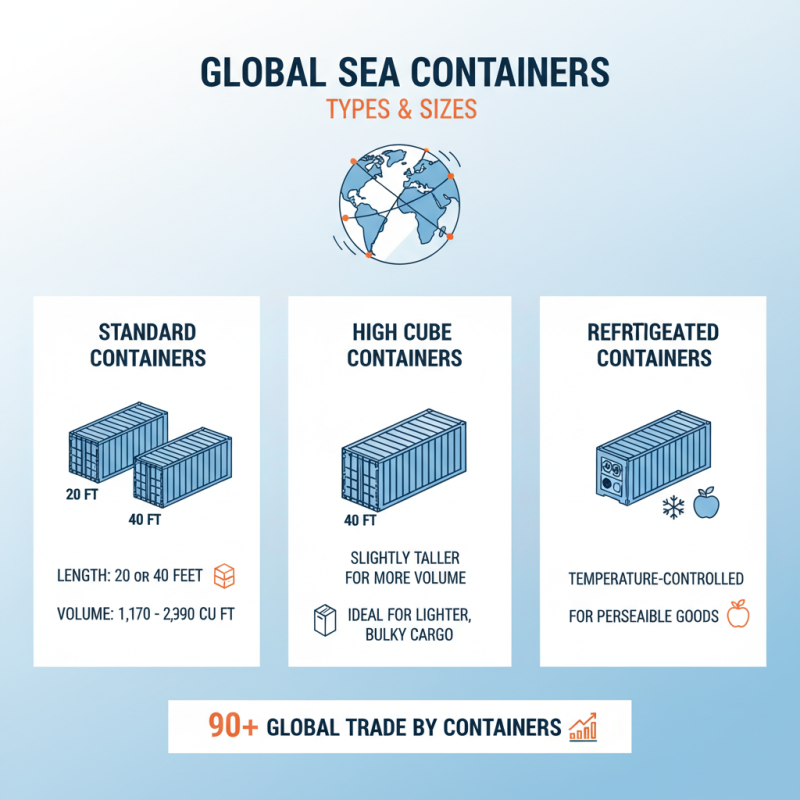
Sea containers, also known as shipping containers, come in various types and sizes. The most common types include standard containers, high cube containers, and refrigerated containers. Standard containers measure 20 or 40 feet in length. They hold a large volume, typically ranging from 1,170 to 2,390 cubic feet. High cube containers are slightly taller, allowing for more cargo space. They're often used for lighter cargo that needs more volume. According to industry reports, over 90% of global trade is carried out using containers, underscoring their importance in logistics.
Refrigerated containers, or reefer containers, are designed to transport perishable goods. They maintain specific temperature requirements and are essential for the food and pharmaceutical industries. The global refrigerated container market is expected to grow significantly, reflecting the rising demand for perishable goods. However, not all shipments benefit from this technology. Some companies face challenges with monitoring temperatures during transit. It's crucial for shippers to be diligent. Cargo may spoil if containers are not properly maintained.
There's also the matter of container versatility. Some containers are modified for specific uses, such as flat racks for oversized cargo. However, these modifications can lead to inconsistencies in dimensions and structural integrity. This creates hurdles when stacking containers on ships. Therefore, careful planning and coordination are needed. Each type of container plays a vital role in respect to their unique specifications. Understanding these details can make or break operational efficiency in supply chain management.
Global Trade and the Role of Sea Containers in Shipping Logistics
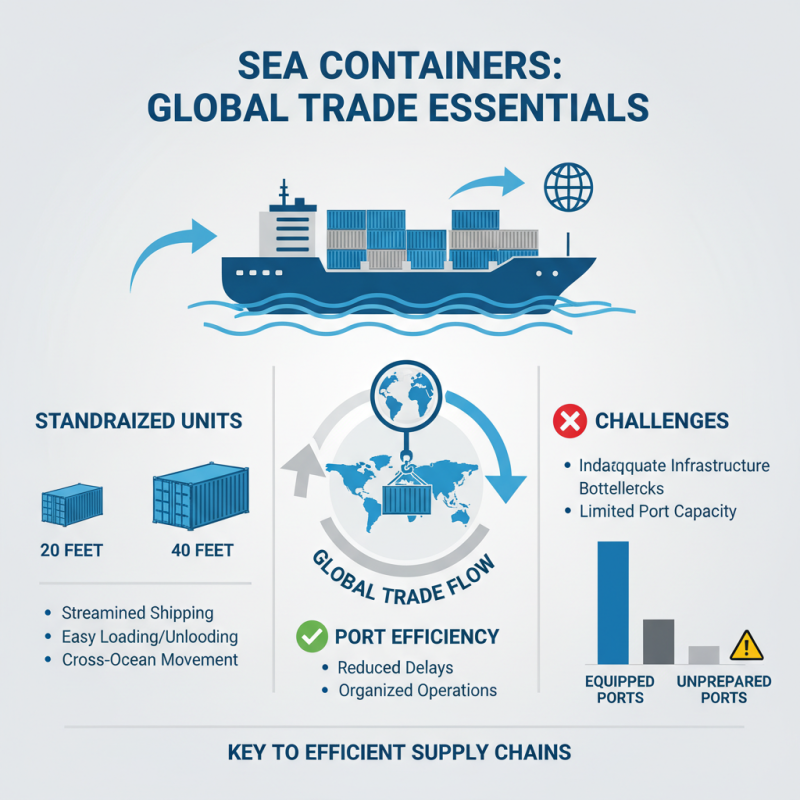
Sea containers are essential in global trade. They act as standardized shipping units, streamlining the movement of goods across oceans. Most commonly, they come in sizes of 20 and 40 feet, designed for easy loading and unloading. This simplicity helps ports operate efficiently, reducing delays. However, not all ports are equipped to handle sea containers effectively. Some lack adequate infrastructure, leading to bottlenecks.
In shipping logistics, these containers improve organization. They allow for easier tracking of cargo. Goods can be labeled and monitored from departure to arrival. This transparency is crucial for businesses. Yet, challenges remain in managing container inventories and ensuring timely returns. Some containers may sit idle at ports, creating a surplus. This inefficiency raises costs for shippers.
Despite their benefits, sea containers have environmental impacts. Their manufacture and shipping contribute to carbon emissions. As global demand rises, meeting sustainability targets becomes complex. Addressing these issues requires innovative solutions. Transitioning to greener alternatives will be vital for the future of shipping logistics.
Statistics on Container Shipping: Current Trends and Future Projections
Container shipping has become a vital part of global trade. Current statistics reveal that nearly 90% of goods are transported via containers. This method streamlines shipping processes. It minimizes handling time and reduces costs for businesses. As of 2023, the container shipping industry is experiencing a significant shift. More companies are investing in eco-friendly practices and technology.
The global capacity for container ships continues to expand. Reports indicate a steady increase of 5-7% annually. However, challenges remain. Ports struggle with congestion and delays. These issues can disrupt supply chains and create backlogs. In addition, the rising freight rates have raised concerns in various industries. Companies need to adapt their strategies to address these challenges effectively.
Looking ahead, the demand for container shipping is expected to grow. E-commerce is driving this trend. More people shop online, necessitating efficient shipping solutions. Yet, the industry must remain vigilant. Sustainability and efficiency will be key focus areas. The path forward may not be straightforward, but the potential for growth is ever-present.
Environmental Impact of Sea Containers in Maritime Transport
Sea containers have transformed global trade, but their environmental impact needs attention. The transportation sector is responsible for about 14% of greenhouse gas emissions globally. In maritime transport, sea containers are a significant contributor to these emissions. In fact, estimates suggest that shipping emissions could triple by 2050 if current trends continue. This projection raises urgent questions about sustainability practices.
A report from the International Maritime Organization highlights that shipping is often more efficient than land transport. Yet, the fuel consumption of large container ships remains concerning. For instance, a large vessel emits roughly 3 grams of CO2 per tonne-kilometer. These numbers can appear small but translate to millions of tons over long distances. The amount of plastic waste generated from shipping operations is also alarming. Reports indicate that shipping sectors contribute significantly to ocean pollution, impacting marine life.
Moreover, many sea containers are made from steel, which demands energy-intensive production processes. The recycling rate of these containers is around 80%, but there's room for improvement. Many containers end up in landfills after their shipping life. This approach reflects a lack of circular economy practices in the industry. Improving management strategies is vital to tackle these challenges effectively. Solutions may include using eco-friendly materials and investing in cleaner technologies. The industry must take these steps seriously to minimize its ecological footprint.