What is a Sea Container and How is it Used in Shipping Industry
In the modern shipping industry, efficiency and reliability are paramount, and at the heart of this logistical marvel lies the sea container. A sea container, also known as a shipping container, is a standardized metal box designed for the storage and transportation of goods by sea, land, and air. The evolution of the sea container has revolutionized how cargo is moved across the globe, enabling seamless transfers from ships to trucks and trains. Its uniform dimensions facilitate easy handling, stacking, and storage, making it a vital tool in international trade.
The use of sea containers in shipping is not limited to simply transporting goods; they also enhance security and protect cargo from the elements during long journeys across oceans. With advancements in technology, modern sea containers are equipped with features that ensure temperature control and monitoring, catering to various types of cargo, including perishable goods. As the backbone of the global supply chain, sea containers have significantly contributed to increased trade efficiency, allowing businesses to expand their reach and consumers to access products from all corners of the world.
Definition of a Sea Container and Its Types
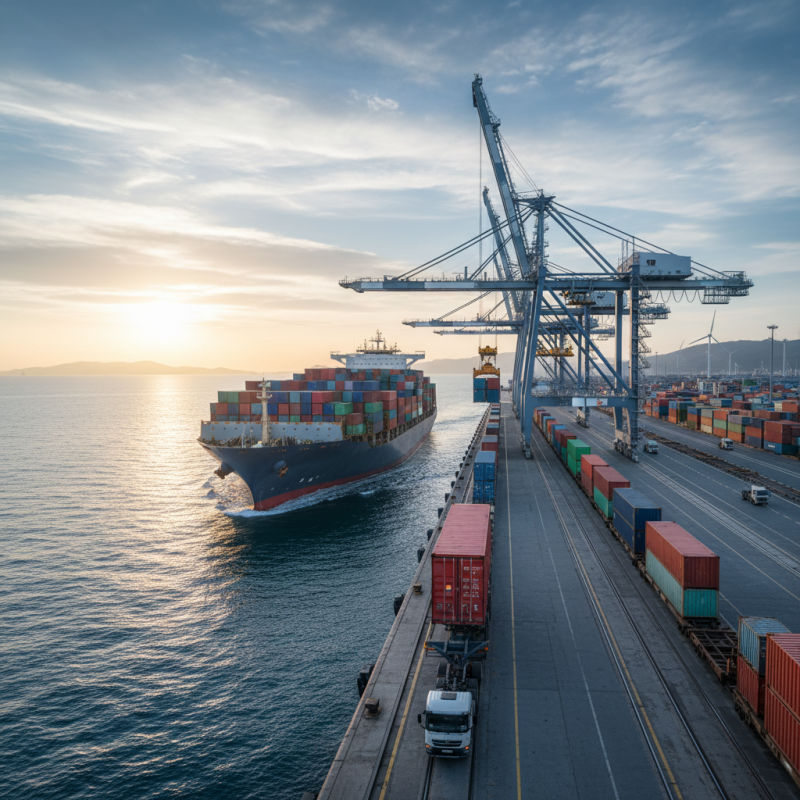
A sea container, often referred to as a shipping container, is a standardized metal box used for transporting goods by cargo ships, trucks, and trains. These containers come in various types, with the most common being the standard dry container, which is primarily used for general cargo. According to the International Maritime Organization (IMO), over 90% of the world's trade is carried by sea, underscoring the importance of sea containers in global logistics.
There are several types of sea containers tailored for specific cargo needs. For instance, refrigerated containers, or "reefers," maintain specific temperature ranges for perishable goods, contributing significantly to the shipping of fruits, vegetables, and pharmaceuticals. In addition, open-top containers are ideal for heavy or oversized cargo that cannot be accommodated in standard containers. Reports from the World Shipping Council indicate that the container shipping industry grew by approximately 4.1% annually from 2016 to 2021, emphasizing the growing reliance on this versatile transportation method to facilitate international trade. With advancements in technology, the introduction of smart containers has further enhanced tracking and monitoring, allowing shipping companies to optimize operations and ensure cargo safety during transit.
The Structure and Design Features of Sea Containers
Sea containers, also known as shipping containers, are robust and standardized units designed to facilitate the transport of goods across various modes of transportation, primarily by sea. The structure of a sea container typically consists of a durable steel frame, reinforced to withstand the harsh conditions of maritime transport. The exterior is covered with corrugated steel panels that provide strength and prevent water ingress. These containers come in standard sizes, most commonly 20 and 40 feet in length, which allows for easy stacking and handling by cranes and other machinery in ports.
In addition to their sturdy construction, the design features of sea containers include corner casting fittings that allow for easy securing during transport. Internally, they can be customized with various flooring options and can accommodate different cargo needs, including temperature-controlled environments for perishable goods. The doors of a sea container are designed for easy access and are equipped with a locking mechanism to ensure the safety of the cargo. Furthermore, many containers are now outfitted with tracking technology, enabling real-time monitoring of their location and condition throughout the shipping process, enhancing security and efficiency for the shipping industry.
How Sea Containers are Used in the Shipping Industry
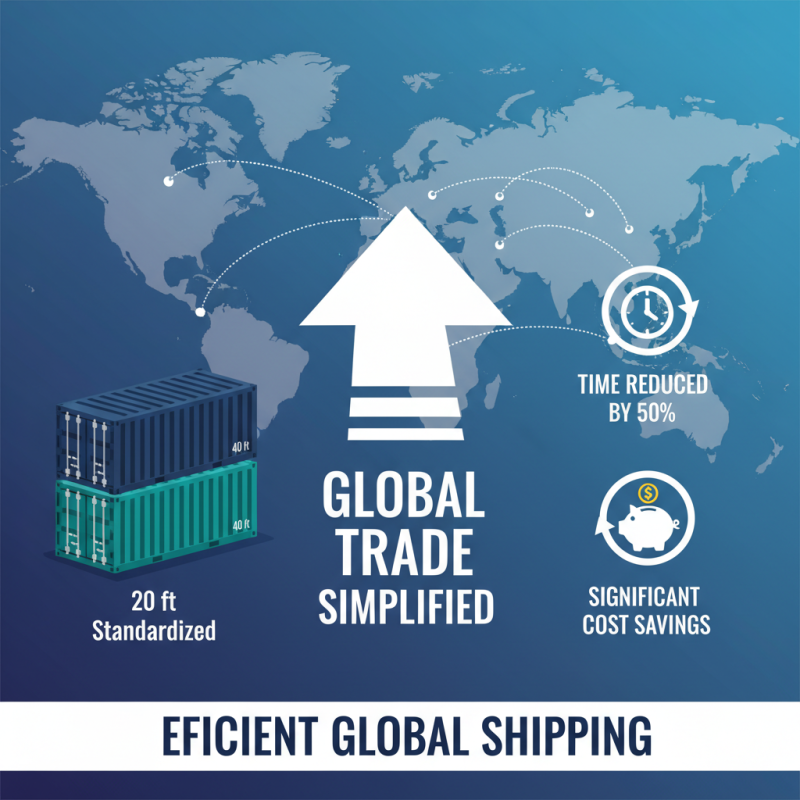
Sea containers, also known as shipping containers, are integral to the global shipping industry, providing a standardized way to transport goods across oceans. They come in various sizes, with the most common being 20 and 40-foot containers, which allow for the efficient loading and unloading of cargo at ports. According to the International Organization for Standardization (ISO), the use of sea containers has simplified international trade, reducing the time required for loading and unloading operations by up to 50%. This efficiency translates to significant cost savings for shipping companies, making it a preferred method for transporting a wide range of products.
In the shipping industry, sea containers are utilized in various ways. Firstly, they provide security and protection for cargo during transit, minimizing the risk of damage from environmental factors or theft. Additionally, the containers can be easily transferred between different modes of transport—ships, trucks, and trains—ensuring seamless logistics. A report from the World Shipping Council indicates that more than 90% of the world's goods are carried by sea, underscoring the critical role containers play in global supply chains.
Tips: When choosing sea containers for shipping, it is essential to consider the type of cargo being transported. Ensure the container's specifications meet the needs for weight, size, and protection. Properly sealing and labeling containers can also enhance security and efficiency during transportation. Furthermore, regular maintenance of containers is crucial for optimal performance and longevity, as well as ensuring compliance with safety standards.
Benefits of Using Sea Containers for Transportation
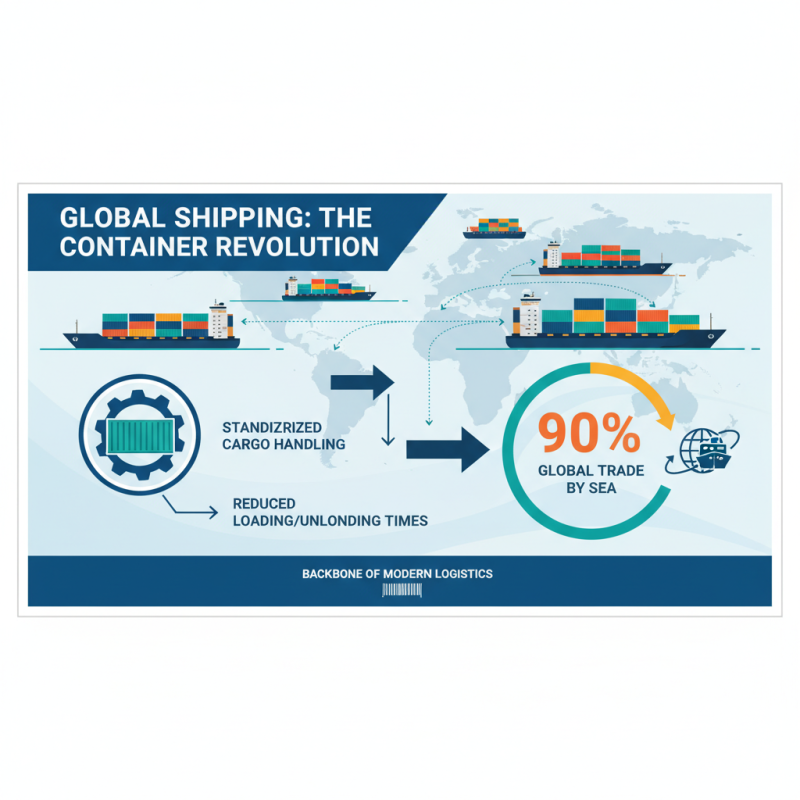
Sea containers, also known as shipping containers, have become the backbone of the global shipping industry, aiding in the efficient transportation of goods around the world. One of the primary benefits of using sea containers is their ability to standardize cargo handling, which significantly reduces loading and unloading times. According to the World Shipping Council, approximately 90% of global trade is carried by sea, emphasizing the importance of containerized shipping in modern logistics.
The durability and weather-resistant properties of sea containers enable them to protect goods from adverse environmental conditions, which is crucial for international shipping. Moreover, these containers facilitate efficient stacking and storage, maximizing cargo space on ships and in warehouses. A report from the International Maritime Organization estimates that using standardized containers can lead to a 25% increase in cargo handling efficiency at ports, which is vital for meeting the increasing demands of global trade.
Tips for optimizing the use of sea containers include ensuring proper sealing and securing of cargo to prevent damage during transit. Additionally, considering the dimensions and weight limits of each container type can help in optimizing shipping costs. Utilizing technology for tracking and monitoring container conditions can further enhance operational efficiency, making transportation smoother and more reliable.
Environmental Impact and Sustainability of Sea Containers
The environmental impact of sea containers in the shipping industry is multi-faceted, affecting not only pollution levels but also the carbon footprint associated with transport logistics. Sea containers, often made from steel, are sturdy and designed for long-term use, which can significantly reduce waste compared to single-use packaging. However, the manufacturing process of these containers does involve substantial energy consumption and greenhouse gas emissions. Therefore, the shipping industry is increasingly looking at ways to minimize these impacts through better materials and manufacturing processes.
Sustainability initiatives are becoming integral to the shipping industry, with a growing emphasis on reusing and recycling sea containers. Innovative practices such as retrofitting old containers for new uses—like housing or pop-up shops—are gaining popularity, leading to reduced demand for new materials. Moreover, advancements in technology are allowing for improved logistics and route optimization, which can lead to lower fuel consumption and, consequently, fewer emissions. As the industry moves towards more sustainable operations, the focus remains on balancing economic viability with environmental responsibility, ensuring that sea containers contribute positively to the future of global shipping.
What is a Sea Container and How is it Used in Shipping Industry - Environmental Impact and Sustainability of Sea Containers
| Dimension |
Value |
Environmental Impact |
Sustainability Practices |
| Standard Container Size |
20 ft, 40 ft |
Transporting goods efficiently, reducing carbon footprint. |
Using durable materials and design for multiple uses. |
| Material Used |
Steel, Aluminum |
Mining and production contribute to emissions. |
Recycling and reuse programs in place. |
| Lifecycle |
10-15 years |
End-of-life disposal can lead to waste if not managed properly. |
Promoting refurbishing and extending lifecycle. |
| Transport Efficiency |
Up to 80% more than traditional shipping methods |
Reduces overall shipping emissions significantly. |
Optimizing routes and utilizing modern container ships. |
| Carbon Footprint per TEU |
Approx. 0.5-1.0 metric tons CO2 |
High emissions contributed through fuels used. |
Investing in green technologies and cleaner fuels. |