Essential Tips for Managing Less Than Truckload Freight Successfully
In the dynamic landscape of logistics, mastering the challenges of less than truckload freight (LTL) is crucial for businesses looking to optimize their shipping processes. According to industry expert John Smith, a renowned logistics strategist, “Effective management of less than truckload freight requires careful planning and a thorough understanding of the intricate details involved in the shipping process.” This statement underscores the importance of not only knowing the fundamentals of LTL freight but also implementing strategic measures to enhance efficiency and reduce costs.
Managing less than truckload freight involves navigating various complexities, including shipment consolidation, rate negotiation, and timely delivery. As the demand for LTL services continues to grow, companies must equip themselves with essential tips and best practices to ensure successful freight management. With the ever-evolving market trends and customer expectations, organizations cannot afford to overlook the significance of understanding LTL logistics, which can lead to improved service outcomes and increased customer satisfaction.
In this guide, we will outline key considerations and strategies that can assist businesses in effectively managing their less than truckload freight. By adopting a proactive approach and leveraging expert insights, companies can streamline their shipping processes and gain a competitive edge in the market.

Essential Understanding of Less Than Truckload (LTL) Freight Basics
Less Than Truckload (LTL) freight refers to shipments that do not require a full truck’s capacity, making it a cost-effective solution for businesses that need to transport smaller quantities of goods. Understanding the fundamentals of LTL freight is crucial for successful shipping management. LTL shipments typically range from 150 to 10,000 pounds and can include a variety of goods. To manage these shipments effectively, it's important to grasp key concepts such as weight classification, freight classes, and tariff structures. Each class determines the cost of shipping based on the density, value, and handling of the goods.
In addition to understanding freight classifications, shippers must also become familiar with the logistics involved in LTL shipping. This includes aspects like carrier selection, scheduling pickups, and managing delivery timelines. Unlike full truckload shipments, LTL shipments can have multiple stops, which may affect delivery times. It's essential for businesses to plan their supply chain accordingly, ensuring that they account for the potential for longer transit times due to shared truck space. Effective communication with carriers and tracking shipments through the entire process will also improve reliability and customer satisfaction, leading to more successful freight management.
Essential Tips for Managing Less Than Truckload Freight Successfully
Key Factors Influencing LTL Freight Rates and Costs
When managing Less Than Truckload (LTL) freight, understanding the key factors that influence freight rates and costs is essential for optimizing your logistics strategy. One of the primary factors is weight, as the transportation industry often uses a tiered pricing structure based on the shipment's weight. The National Motor Freight Classification (NMFC) system assigns categories, which significantly impact pricing. According to the Freight Transportation Services Index, LTL rates have increased by approximately 4% year-over-year, highlighting the necessity for shippers to continuously analyze their weight classifications to ensure they are not overpaying.
Another critical element in determining LTL freight costs is the freight class. Freight class is determined by several variables, including the density, stowability, handling, and liability of the goods being shipped. This classification not only affects the base rate but also the overall shipping efficiency. The lower the freight class, the cheaper the shipping costs, as indicated by data from the Transportation Research Board, which suggests that efficient classification can save shippers upwards of 20% on their LTL expenses.
Beyond weight and class, additional factors such as fuel prices, peak shipping seasons, and regional demand also play a vital role in influencing LTL freight rates. The American Trucking Associations report that fluctuations in fuel prices can add anywhere from 10% to 30% to the base freight costs, depending on current market conditions. Therefore, staying informed about these dynamics is crucial for shippers looking to manage their freight costs effectively and maintain a competitive edge in the logistics market.
Effective Strategies for Selecting the Right LTL Carrier
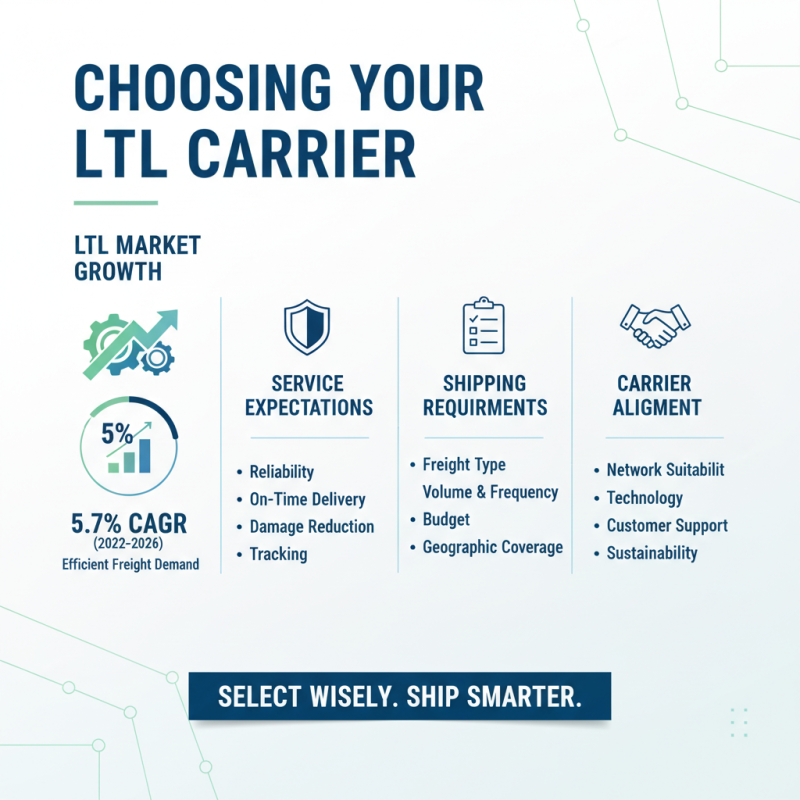
When it comes to selecting the right Less Than Truckload (LTL) carrier, understanding the dynamics of the logistics industry is crucial. Reports indicate that the LTL market is projected to grow at a CAGR of 5.7% through 2026, driven by the increasing demand for efficient freight transportation solutions. This growth underscores the importance of choosing a carrier that not only meets service expectations but also aligns with your specific shipping requirements.
One effective strategy is to evaluate carriers based on their service capabilities. Metrics such as on-time delivery rate, transit times, and claim ratios provide insights into a carrier’s reliability. For example, studies show that carriers with an on-time delivery rate above 95% typically have lower overall logistics costs due to reduced delays and claims. Additionally, understanding each carrier’s operational network can help you predict potential challenges and streamline your supply chain effectively.
Moreover, leveraging technology is paramount in the decision-making process. Tools that provide real-time tracking and data analytics can offer invaluable information about carrier performance and freight trends. According to industry data, companies that implement technology-driven solutions see a 20% increase in shipping efficiency. By focusing on these key areas, you can make informed decisions that enhance your LTL freight management and contribute to long-term success.
Best Practices for Packaging and Labeling LTL Shipments
When it comes to managing Less Than Truckload (LTL) freight, effective packaging and labeling practices are crucial for ensuring safe and efficient transport. Proper packaging minimizes the risk of damage during transit and helps optimize space on the carrier's vehicle. It is essential to use durable materials that can withstand movement and handling throughout the shipping process. Shipping pallets should be sturdy and the products must be securely wrapped to avoid shifting. Additionally, consider the weight distribution of the items, as uneven loads can lead to additional complications during transport.
Labeling is another vital component of successful LTL shipments. Clear and accurate labeling not only ensures that the packages are correctly routed but also provides critical information to handlers who may not be familiar with the contents. Each package should have a visible shipping label that includes the recipient's address, a return address, and tracking information. Including handling instructions, such as "Fragile" or "This Side Up," can further reduce the risk of mishaps. Using barcodes or QR codes can streamline the tracking process, enhancing visibility throughout the shipment's journey and ensuring timely delivery. Following these best practices can significantly enhance the effectiveness of LTL freight management.
Tech Innovations Enhancing LTL Freight Management Efficiency
The landscape of Less Than Truckload (LTL) freight management is rapidly evolving, driven by technological innovations that enhance efficiency and streamline operations. One of the most significant advancements is the integration of real-time tracking systems that provide shippers and carriers with up-to-the-minute information about their shipments. This capability not only heightens transparency but also allows for proactive decision-making. For example, shippers can respond promptly to delays or reroute shipments to avoid congestion, significantly improving customer satisfaction and maintaining service level agreements.
Additionally, the use of artificial intelligence and machine learning algorithms has transformed freight routing and load optimization. These technologies analyze vast amounts of data to identify the most efficient routes, taking into consideration various factors such as traffic patterns, weather conditions, and delivery windows.
As a result, businesses can optimize their shipping costs and reduce transit times. Moreover, automated systems for invoicing and documentation reduce administrative burden, allowing logistics teams to focus on core functions and strategic planning rather than paperwork. By leveraging these innovations, companies are not only improving operational efficiency but also enhancing their agility in a competitive marketplace.