Top 10 Tips for Managing Freight Loads Efficiently to Boost Your Logistics
Efficient management of freight loads is crucial in today's fast-paced logistics environment, where timely delivery and cost-effectiveness can significantly impact overall operational success. As businesses strive to optimize their supply chains, the ability to handle freight loads with precision becomes a competitive advantage. This article presents the top ten essential tips aimed at enhancing the management of freight loads, providing valuable insights for logistics professionals seeking to elevate their practices.
By implementing these strategies, companies can reduce waste, improve resource allocation, and ensure a smoother flow of goods from origin to destination. Each tip is designed to address common challenges faced in freight management, focusing on optimizing routes, maximizing cargo space, and enhancing communication among stakeholders. Emphasizing the importance of planning and technology, the guide aims to empower logistics teams to make informed decisions that lead to increased efficiency and profitability in handling freight loads.

Understanding Freight Load Management in Logistics
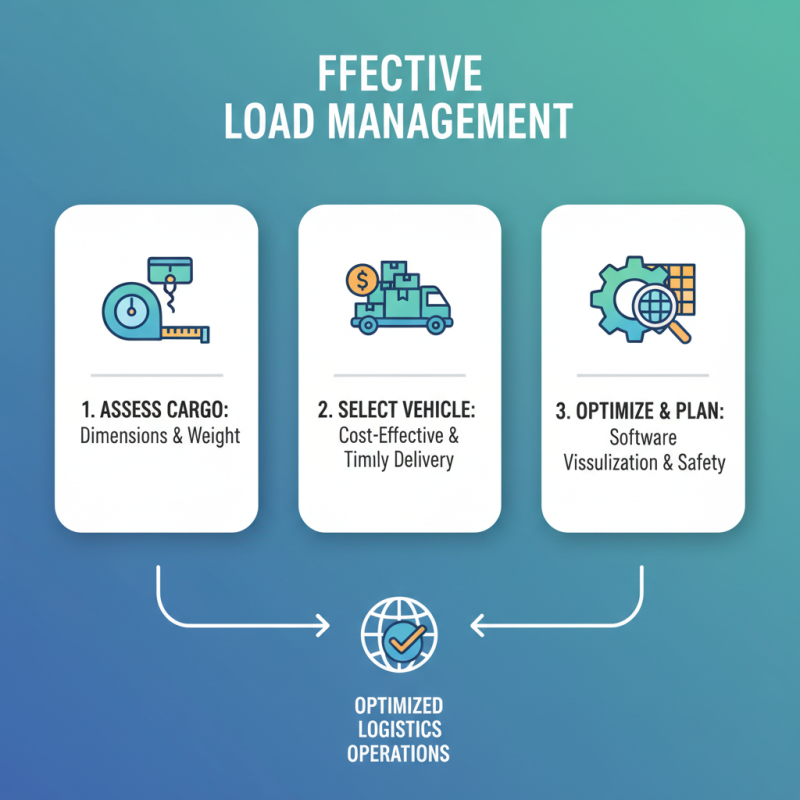
Effective freight load management is crucial for optimizing logistics operations. It involves the strategic planning and organization of cargo to ensure maximum efficiency in transportation. One fundamental aspect is accurately assessing the cargo dimensions and weight to select the appropriate vehicle, which can significantly impact cost-effectiveness and delivery times. By utilizing advanced technology such as load optimization software, logistics managers can visualize cargo placement and weight distribution, thus preventing issues like overloading and ensuring safety during transit.
Additionally, communication plays a vital role in effective freight load management. Clear lines of communication between shippers, carriers, and warehouse staff help coordinate loading schedules and unload times, minimizing wait times and delays. Implementing real-time tracking systems allows for better visibility of shipments and enables proactive decision-making regarding load adjustments and route planning. Ultimately, a comprehensive approach that combines accurate planning, technological support, and effective communication can lead to more efficient freight load management, enhancing overall logistics performance.
Key Factors Influencing Freight Load Efficiency
Efficient freight load management is crucial for optimizing logistics operations, and several key factors significantly influence this efficiency. One of the primary considerations is the proper utilization of space within transportation vehicles. Efficiently loading freight requires an understanding of dimensions, weight distribution, and cargo compatibility. By maximizing space utilization, logistic companies can reduce costs associated with transportation while also decreasing carbon emissions through fewer trips.
Another critical factor is planning and scheduling. Timely deliveries hinge on effective route planning, which involves evaluating traffic patterns, weather conditions, and unloading schedules. Advanced technologies like route optimization software can assist in making real-time adjustments, ultimately leading to more efficient freight handling. Moreover, proper communication among all stakeholders, including shippers, carriers, and receivers, ensures that everyone is aligned and prepared for the logistics processes, further enhancing overall efficiency.
Techniques for Optimizing Load Capacity and Space Utilization
In the ever-evolving logistics landscape, optimizing load capacity and space utilization is pivotal to enhancing freight management efficiency. According to a report by the Council of Supply Chain Management Professionals (CSCMP), effective space utilization can lead to a 10-30% reduction in transportation costs. This efficiency can be achieved through strategic planning and by utilizing technology-driven solutions such as load optimization software.
By analyzing the dimensions of cargo and the capacity of transport vehicles, businesses can maximize cargo space, ensuring that every inch is utilized without compromising safety or accessibility.
Moreover, the integration of data analytics into logistics plays a crucial role in identifying patterns in freight loads. A report from the American Transportation Research Institute (ATRI) emphasizes that data-driven decision-making can improve load planning by at least 15%. Companies can leverage historical shipment data to forecast demand more accurately and adjust their freight loads accordingly. Utilizing dynamically routing algorithms allows logistics managers to shift loads based on real-time conditions, further enhancing space utilization and ensuring timely deliveries.
By focusing on these techniques, businesses can not only boost efficiency but also contribute to sustainability by reducing the carbon footprint associated with transportation.
Leveraging Technology for Freight Load Tracking and Management
Leveraging technology in freight load tracking and management has transformed logistics operations, providing solutions that enhance efficiency and reduce costs. By utilizing advanced software systems, businesses can monitor shipments in real time, allowing for precise adjustments and timely decisions. These platforms often incorporate GPS technology, giving logistics managers the ability to track loads across various transportation modes. Real-time updates not only improve visibility but also foster better communication among stakeholders, ensuring everyone is informed and synchronized throughout the shipping process.
Moreover, data analytics plays a critical role in optimizing freight management. Companies can analyze historical data to identify trends, predict delays, and optimize routes, subsequently minimizing transit times and fuel costs. By implementing machine learning algorithms, organizations can further refine their processes, predicting potential disruptions and proactively addressing them before they escalate.
Embracing such technological advancements not only streamlines operations but also enhances customer satisfaction by ensuring timely deliveries and accurate updates. Overall, harnessing technology for freight load tracking and management is essential for any logistics company aiming to improve their operational efficiency and remain competitive in today’s fast-paced market.
Best Practices for Collaboration with Carriers and Stakeholders
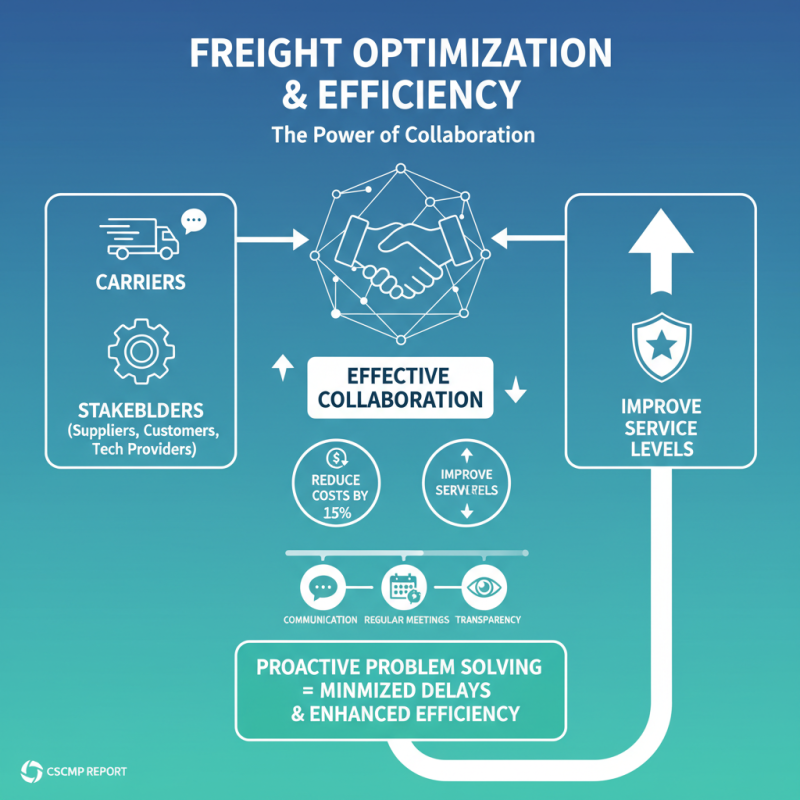
Collaboration with carriers and stakeholders is essential for optimizing freight management and achieving efficiency in logistics. According to a report by the Council of Supply Chain Management Professionals (CSCMP), effective collaboration can reduce transportation costs by up to 15% and significantly improve service levels. This highlights the importance of establishing strong communication channels with all parties involved. Regular meetings and updates can facilitate transparency, allowing logistics managers to anticipate issues and proactively address them, thus minimizing delays and enhancing overall operational efficiency.
Moreover, leveraging technology for collaboration plays a crucial role in streamlining logistics processes. A study from McKinsey & Company indicates that companies utilizing digital platforms for carrier collaboration can see up to a 20% increase in load optimization and a 25% reduction in freight costs. By integrating real-time data sharing with stakeholders, freight managers can make informed decisions regarding load planning and route optimization. This strategic alignment not only fosters a collaborative environment but also empowers companies to respond swiftly to dynamic market conditions, ultimately driving logistics performance to new heights.