Top 10 LTL Loads for Global Buyers

Global buyers often need to move partial shipments without paying for an entire trailer. This is where ltl loads can provide practical flexibility. The right choice depends on product density, pallet dimensions, handling requirements, delivery distance, and destination rules.

This guide introduces ten common LTL load categories that international purchasing teams regularly evaluate. Examples include boxed machinery parts, packaged furniture, retail displays, industrial components, and consolidated cartons. Each category presents different risks. A 48-inch pallet may fit neatly on paper, yet poorly secured cartons can shift during terminal handling. Weight accuracy matters, too. A small measurement error can change the freight class, surcharge, or final invoice.

Reliable planning begins with precise commercial documents. Buyers should confirm the bill of lading, packing list, product descriptions, harmonized tariff codes, declared values, and delivery instructions. Cross-border shipments may also require a qualified customs broker and clear Incoterms responsibilities. Carrier insurance terms should be reviewed rather than assumed.

The best load is not always the cheapest one. Service consistency matters.

This overview draws on standard freight-planning practices and highlights practical checks before booking. It does not treat every market as identical. A shipment suitable for a warehouse in Rotterdam may need different packaging for a distributor in Toronto or Singapore. That assumption can fail. Buyers should validate dimensions, accessorial charges, pickup windows, and local compliance requirements with experienced carriers before committing.
Top 10 LTL Loads for Global Buyers

What LTL Freight Means for Global Buyers

Global buyers often use LTL for smaller shipments that do not fill a trailer. Typical loads include boxed machinery, spare parts, furniture, packaged components, and retail cartons. The carrier combines freight from several shippers. This lowers the cost per shipment, but adds handling points. A pallet may move through regional terminals before reaching its destination. That journey requires accurate labels, strong wrapping, and realistic delivery expectations.

For international buyers, LTL usually connects with ocean or air freight. The shipment may travel as a containerized load first, then move domestically by LTL. Measurements must include the pallet, not only the product. Weight, freight class, pickup access, and delivery equipment can change the quote. In my experience, a small measurement error can create a large billing adjustment. LTL is useful, but it is not automatically the cheapest choice. Transit times can also vary when terminals are busy or weather disrupts linehaul schedules.

Tips: Photograph each pallet before collection. Mark every handling side clearly. Use moisture protection for sensitive cartons. Ask whether residential delivery, liftgate service, storage, or appointment fees apply. Confirm the destination address and contact number twice. Commercial invoices and packing lists should match the physical shipment. Clear documents reduce avoidable holds, although they cannot prevent every delay.

How the Top 10 LTL Load Types Are Classified

Top 10 LTL Loads for Global Buyers

How the Top 10 LTL Load Types Are Classified

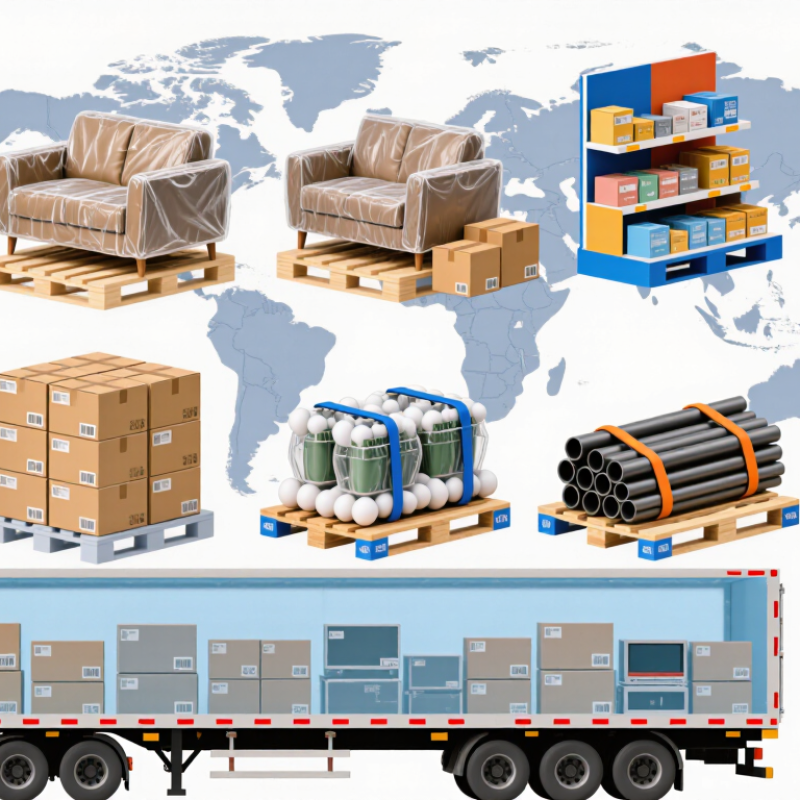
LTL loads are classified by packaging, density, handling needs, and shipment risk. The ten common types include palletized machinery, cartons, furniture, appliances, auto parts, building materials, textiles, electronics, packaged food, and medical supplies. Each type behaves differently during cross-docking and delivery. A wrapped pallet of machine parts needs different protection from loose cartons or glass components.

Classification starts with measurable details. Record dimensions, gross weight, pallet count, stackability, and handling instructions. Dense metal parts may occupy little space but weigh heavily. Bulky furniture can consume trailer space while remaining relatively light. Electronics need stronger impact protection, while packaged food may require clean, dry transportation. Temperature-sensitive cargo must be identified before quoting. A missing dimension can change the freight class and cause billing corrections. That part is easy to overlook.

Tips: Photograph each pallet before pickup. Check whether cartons overhang the pallet. Use corner boards, stretch wrap, and clear labels. Verify the commercial invoice and packing list together. Do not assume similar products share the same classification. A carton count can still be wrong after careful loading. Recheck it at the dock. Experienced shipping teams also review damage patterns, not only freight rates. This practical feedback often reveals weak packaging or unrealistic stack plans.

Top 10 LTL Loads for Global Buyers

How the Top 10 LTL Load Types Are Classified

LTL loads are commonly classified by shipment weight, handling requirements, density, packaging, and special-service needs. The chart uses representative planning weights within common LTL operating ranges; it is a practical classification guide rather than a market-share ranking.

Top 10 LTL Loads by Product and Shipping Profile

Top 10 LTL Loads for Global Buyers

Top 10 LTL Loads by Product and Shipping Profile

LTL freight works best when the product and shipping profile match. Industrial machine parts often need sturdy pallets, corner protection, and accurate dimensions. Packaged furniture usually requires clean wrapping and edge guards. Construction materials may be dense, heavy, and difficult to handle. Weight distribution matters. Poor balance can cause shifting during transit.

The remaining profiles include boxed appliances, agricultural equipment, retail displays, spare parts, medical equipment, electronics, and seasonal merchandise. Electronics need moisture control and shock protection. Medical equipment requires careful documentation and stable handling. Seasonal goods often move under tight deadlines, so realistic transit planning is essential. Small spare-part cartons can still create problems when mixed with oversized freight.

Details decide performance. Measure every pallet after packing, not before. Record gross weight, package count, stackability, and pickup conditions. Use photos when the load has unusual shapes or fragile surfaces. I have seen minor dimension errors create major billing disputes. That lesson remains easy to forget. A loading dock may accept a pallet, while a liftgate delivery needs different planning. Review access, delivery appointments, and local handling limits before booking.

Key Factors for Comparing LTL Loads Across Markets

Top 10 LTL Loads for Global Buyers

Key Factors for Comparing LTL Loads Across Markets

Across borders, an LTL load is not priced by weight alone. The same shipment can perform differently in two markets. I compare cartons, spare parts, furniture, textiles, packaged foods, appliances, construction materials, office equipment, retail fixtures, and non-hazardous machinery.

Density is a practical starting point. A tall pallet may occupy more trailer space than its scale weight suggests. Measure length, width, height, and stackability before requesting quotes. Pallet quality also matters. Weak boards, loose wrap, or uneven cartons can increase handling risks and claims.

Transit time needs careful interpretation. A quoted three-day service may exclude terminal transfers, appointment windows, or border processing. I check the full route, not only the advertised linehaul. Rural delivery often adds accessorial charges. Liftgate service, limited access, residential delivery, and inside placement should appear separately.

Market conditions change the comparison. Fuel formulas, currency movements, local holidays, and toll structures can alter the final cost. Insurance terms also differ, especially for fragile appliances or precision equipment. Keep photos of pallet condition and carton labels. Good records make claims easier.

I once compared two quotes using identical dimensions and missed a delivery appointment fee. That error changed the cheaper option. It reminded me to test real delivery conditions, not just spreadsheet totals. Buyers should also review damage ratios and invoice accuracy over several shipments. A low quote can still become expensive.

How Global Buyers Can Plan and Manage LTL Shipments

Top 10 LTL Loads for Global Buyers

How Global Buyers Can Plan and Manage LTL Shipments

LTL shipping suits smaller, palletized loads that do not fill a trailer. Common examples include cartons, spare parts, furniture, retail fixtures, textiles, electronics, machinery components, packaged goods, building materials, and office equipment. Each load needs accurate dimensions, weight, pallet count, and handling instructions. A two-centimeter measurement error can affect the freight class and final charge.

Global buyers should request commercial invoices, packing lists, origin details, and product classifications before pickup. Confirm whether the cargo needs temperature control, fragile handling, liftgate service, or appointment delivery. Use strong pallets, corner protection, and stretch wrap. Photograph the packed shipment, labels, and pallet condition. These records support damage claims and help resolve carrier disputes.

Build the delivery plan around customs clearance, warehouse hours, and local holidays. Leave buffer time. It matters. Tracking should begin when the freight is collected, not when it reaches a consolidation hub. Ask for milestone updates and verify the delivery address carefully. A dock address may not suit a construction site or a small rural warehouse. One common weakness is trusting supplier-provided weights without checking them. That shortcut can create unexpected fees. Even a careful plan may need revision after the first shipment, especially when packaging, transit times, or import procedures differ from expectations.

Top 10 LTL Loads for Global Buyers - How Global Buyers Can Plan and Manage LTL Shipments

A practical planning matrix for consolidated and less-than-truckload shipments moving from overseas suppliers to destination warehouses or distribution centers.

Rank Typical LTL Load Common Shipment Profile Typical Planning Range Handling and Packaging Requirements Key Planning and Management Actions Important Shipment Data
1 Machinery and Industrial Equipment Crated equipment, components, pumps, motors, machine parts and production-line assemblies. 500–5,000 kg 1–8 pallets 1–20 m³ Use reinforced skids or export crates. Protect against vibration, moisture and shifting. Confirm whether the freight is stackable, forkliftable or oversized. Share exact dimensions and center-of-gravity information before booking. Reserve liftgate or inside-delivery services when the consignee lacks a loading dock. Verify power, installation and delivery-site constraints. Commercial invoice, packing list, tariff classification, country of origin, serial numbers and any applicable technical or safety certificates.
2 Automotive Parts and Accessories Replacement parts, assemblies, body components, filters, brake components and service items. 200–2,500 kg 2–12 pallets 2–18 m³ Use labeled cartons on stable pallets. Protect painted, machined and electronic parts from abrasion, moisture and contamination. Group shipments by purchase order and delivery date. Use barcode-ready labels and confirm whether the freight is time-critical or subject to production-line penalties. Avoid mixed-SKU pallet ambiguity. Invoice, packing list, purchase-order references, part numbers, country of origin and product-specific import data.
3 Retail Fixtures and Store Equipment Shelving, display stands, counters, signage structures, checkout fixtures and merchandising hardware. 300–3,000 kg 2–10 pallets 4–25 m³ Protect corners and finished surfaces. Use flat-packed cartons or custom crates where possible. Identify long, fragile or non-stackable pieces. Coordinate delivery appointments and site access in advance. Confirm whether the shipment requires inside delivery, placement, assembly or debris removal. Keep installation sets together. Invoice, packing list, dimensions by package, delivery appointment details, installation instructions and origin information.
4 Furniture and Home Products Knock-down furniture, cabinets, tables, chairs, mattresses, lighting products and household accessories. 150–2,000 kg 2–10 pallets 3–22 m³ Use moisture-resistant cartons, edge protection and compression-resistant palletization. Separate fragile glass, stone and finished wood surfaces. Measure actual packed dimensions rather than product dimensions. Plan around dimensional weight and cubic capacity. Confirm residential, limited-access or appointment-delivery requirements. Invoice, packing list, material descriptions, country of origin, package dimensions and any wood-packaging compliance details.
5 Electronics and Electrical Components Control boards, power supplies, networking equipment, sensors, cables and small appliances. 100–1,500 kg 1–8 pallets 1–12 m³ Use anti-static materials where required. Add shock and moisture protection, tamper-evident seals and carton-level identification. Keep cartons upright when specified. Control exposure to heat, humidity and excessive handling. Confirm insurance requirements for high-value goods. Reconcile carton counts and serial numbers at pickup and delivery. Invoice, packing list, model or part numbers, serial numbers, country of origin and applicable conformity or import documentation.
6 Textiles, Apparel and Soft Goods Finished garments, footwear, household textiles, fabric rolls and packaged accessories. 100–1,800 kg 2–15 pallets 3–25 m³ Use clean, dry cartons or pallet covers. Prevent compression, odor transfer and moisture exposure. Keep assortments clearly separated by style, size and color. Plan around seasonal launch dates and retail delivery windows. Use carton-level SKU data to speed receiving. Confirm whether floor-loaded, palletized or hanging-garment handling is required. Invoice, packing list, fiber or material composition, country of origin, SKU details and labeling information required by the destination market.
7 Building Materials and Hardware Fittings, tools, fasteners, flooring samples, plumbing parts, lighting hardware and construction accessories. 250–4,000 kg 2–12 pallets 2–18 m³ Use heavy-duty cartons, banding and stretch wrap. Isolate sharp edges and heavy metal parts. Confirm floor-load limits and whether products can be stacked. Separate dense freight from crush-sensitive cartons. Validate access for forklifts and delivery vehicles. Compare class, density and dimensional characteristics before requesting a quote. Invoice, packing list, product descriptions, material composition, dimensions, weight, origin and any required conformity documents.
8 Food Ingredients and Packaged Dry Goods Non-perishable ingredients, packaged foods, beverage inputs, grains, powders and shelf-stable products. 200–3,500 kg 2–15 pallets 2–20 m³ Use food-grade packaging and clean pallets. Protect against contamination, pests, moisture and temperature excursions. Do not mix incompatible products. Check shelf-life requirements before selecting a transit plan. Confirm import permits, inspection procedures and destination warehouse receiving hours. Use lot and expiry tracking. Invoice, packing list, lot numbers, expiry dates, ingredient details, health or sanitary certificates and origin information where required.
9 Promotional, Event and Seasonal Merchandise Displays, event materials, seasonal decorations, gift sets, printed materials and campaign merchandise. 100–2,000 kg 1–12 pallets 2–20 m³ Use compact, labeled cartons and protect presentation-critical surfaces. Consolidate by event, destination and setup sequence. Work backward from the event date and include customs, terminal and appointment buffers. Arrange delivery to the correct venue or temporary location. Confirm inside delivery and limited-access charges. Invoice, packing list, event or purchase-order reference, package dimensions, delivery contact and venue instructions.
10 Medical, Laboratory and Technical Supplies Non-hazardous laboratory equipment, diagnostic accessories, consumables and technical instruments. 100–2,000 kg 1–10 pallets 1–15 m³ Use validated protective packaging where appropriate. Identify fragile, orientation-sensitive or temperature-controlled items. Keep calibration-sensitive equipment secure. Confirm whether the goods are regulated, controlled, temperature-sensitive or subject to special handling. Use chain-of-custody procedures for high-value or sensitive shipments and verify receiving capabilities. Invoice, packing list, product and model numbers, serial numbers, regulatory documentation, temperature requirements and origin information.

Planning note: The weight, pallet, volume and transit characteristics shown are general commercial planning ranges for non-hazardous LTL freight. Actual charges and service requirements depend on origin, destination, freight density, dimensions, packaging, accessorial services, customs procedures and carrier rules. Dangerous goods, temperature-controlled cargo and oversized freight require separate verification before booking.