Top 10 Suppliers of Empty Containers for Global Buyers?
In the complex world of global trade, sourcing empty containers is crucial for seamless logistics. A reliable supply chain hinges on having access to quality empty containers. Many businesses overlook the significance of selecting the right suppliers in this competitive market.
Today, buyers have the opportunity to connect with top suppliers of empty containers. Understanding the strengths and weaknesses of various vendors can lead to better choices. It is essential to consider not just pricing, but also the quality and condition of the containers. Buyers often struggle with various options, making informed decisions vital.
In this article, we explore the top 10 suppliers of empty containers for global buyers. Each supplier offers unique advantages that cater to different needs. By examining their offerings, buyers can enhance their shipping operations. A careful selection can save time and costs, leading to improved efficiency.
Overview of the Global Empty Container Supply Market
The global empty container supply market plays a key role in international trade logistics. A steady demand for empty containers is crucial for efficient shipping. Shipping lines and freight forwarders increasingly rely on these containers to optimize their operations. The variability in supply influences shipping costs and delivery schedules significantly.
Tips: Understand regional demand trends. This will help navigate supply shortages during peak seasons. Researching local regulations can also save time and resources.
Suppliers face challenges in maintaining balanced inventories. Economic fluctuations affect container availability. Additionally, sustainability concerns are now prompting suppliers to adopt eco-friendly practices. This shift can impact costs and logistics, offering both opportunities and hurdles.
Tips: Evaluate suppliers based on their sustainability efforts. Choose those that align with your values for a competitive edge. Effective communication with suppliers ensures a smoother transaction process.
Criteria for Evaluating Empty Container Suppliers
When evaluating suppliers of empty containers, keep specific criteria in mind. Manufacturing capacity is critical. A supplier should have the facilities to meet your volume needs. Quality control processes also matter. Inspect if they follow standards and can provide certified products.
Logistics capabilities are vital as well. A reliable supplier should have efficient shipping options. This helps reduce lead time and shipping costs. Additionally, assess their customer service. Quick response times can indicate their commitment to support.
Consider a supplier’s sustainability practices. Are they using eco-friendly materials? Transparency about sourcing and manufacturing processes is essential. Suppliers who prioritize environmental responsibility can enhance your brand image.
When establishing a relationship, ensure there is open communication. Misunderstandings can arise easily if expectations are not clear. Reliable suppliers will offer consistent updates and are willing to adapt. Engage in discussions about potential challenges and how they handle them. This reflects their readiness for collaboration. Always review their past performance and seek innovations in their offerings.
Top 10 Suppliers of Empty Containers Worldwide
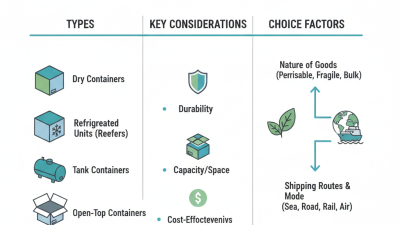
When considering suppliers of empty containers globally, understanding the diverse options available is crucial. Different manufacturers offer a variety of containers. This includes standard shipping containers, specialized units, and storage solutions. Factors like durability, pricing, and availability can greatly affect your decision. Many suppliers provide innovative designs, enhancing the storage and transport experience. Examining their capabilities helps ensure you're getting quality products.
Choosing a reliable supplier is no easy task. It's essential to assess their experience and track record. Some companies might promise quick delivery but fail to meet quality standards. Researching customer reviews can offer insights into their reliability. Additionally, understanding the specific needs of your operation will guide your choice. Container sizes and types can vary significantly, which may impact your logistics planning. Finding the right supplier involves asking the right questions and seeking clarity on their offerings.
Key Features of Leading Empty Container Suppliers
When selecting suppliers of empty containers, key features play a crucial role. Reliable suppliers should offer a diverse range of container sizes and types. This diversity enables buyers to meet their specific logistical needs. Additionally, quality assurance is vital. Suppliers must adhere to international standards in materials and workmanship. This ensures the containers can withstand the rigors of transport.
Customer support is another important feature. Suppliers should have knowledgeable staff to assist with inquiries and solve issues promptly. Fast response times can enhance a buyer's experience significantly. Moreover, transparency in pricing and terms is essential. Buyers appreciate clear, honest communication regarding costs and conditions.
Sustainability is becoming increasingly relevant in the industry. Suppliers that focus on eco-friendly practices attract global buyers who prioritize environmental responsibility. This shift can be a challenge, as not all suppliers fully embrace sustainable methods. Addressing these shortcomings is necessary for future success. Evaluating these features can help buyers identify which suppliers align best with their operational needs.
Future Trends in the Empty Container Supply Industry
The empty container supply industry is evolving rapidly. Market research indicates that the demand for empty containers will continue to rise as global trade expands. According to a report by Container Trade Statistics, the global container fleet is expected to grow by 4% annually until 2025. This growth presents both challenges and opportunities for suppliers.
One prominent trend is the increasing focus on sustainability. As environmental awareness grows, suppliers are pressured to adopt eco-friendly practices. This includes using sustainable materials and reducing carbon footprints. Research by the International Maritime Organization suggests that the shipping industry must cut greenhouse gas emissions by at least 50% by 2050. Suppliers of empty containers that embrace these changes will likely lead the market.
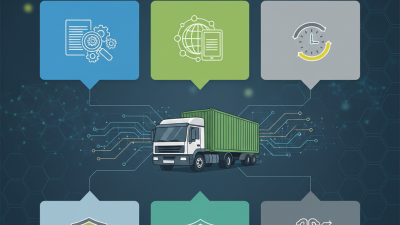
There is also a shift towards digitalization. Technology is enhancing supply chain efficiency. According to a recent survey by the Global Logistics and Supply Chain Congress, over 70% of logistics companies are investing in digital tools. These developments will transform how suppliers manage inventory and fulfill orders. However, challenges remain. Many suppliers struggle to keep pace with technological advancements, risking obsolescence in a competitive market.