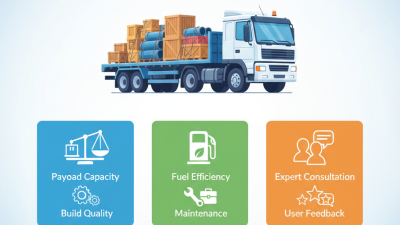
2026 Best Flatbed Truck Manufacturers for Global Buyers

Choosing the right flatbed truck manufacturer in 2026 requires more than comparing horsepower, prices, or glossy brochures. Global buyers face different roads, climates, payload rules, and service realities. A truck working on Australian mining routes may need reinforced frame rails, while a regional hauler in Europe may prioritize low-emission compliance and compact dimensions.

The market remains substantial. OICA’s 2024 production statistics recorded more than 92 million motor vehicles worldwide, showing the scale of the global manufacturing ecosystem. Meanwhile, the World Bank’s Logistics Performance Index highlights how infrastructure quality, shipment reliability, and delivery efficiency vary sharply between markets. These differences directly affect truck selection. A capable flatbed truck must match local loads, road surfaces, driver skills, and maintenance access.

This guide reviews the 2026 best flatbed truck manufacturers for global buyers through practical criteria. These include payload engineering, chassis strength, deck design, axle ratings, tie-down systems, fuel efficiency, electrification readiness, parts availability, warranty support, and export experience. Reports such as the IEA Global EV Outlook 2025 also show growing pressure to reduce commercial-vehicle emissions, although diesel remains important in many long-distance and developing-market operations.

Specifications can still mislead.

A high payload rating may depend on ideal conditions. A low purchase price may hide expensive downtime. Buyers should inspect frame welds, suspension components, corrosion protection, and dealer response times before signing contracts. No ranking fits every route. That is the uncomfortable part. The best manufacturer is not always the largest one, but the supplier that consistently supports the truck after delivery.

2026 Best Flatbed Truck Manufacturers for Global Buyers

What Defines a Flatbed Truck Manufacturer for Global Markets

2026 Best Flatbed Truck Manufacturers for Global Buyers

What Defines a Flatbed Truck Manufacturer for Global Markets

A global flatbed truck manufacturer must understand roads, climates, cargo habits, and local regulations. Experience appears in practical details, not polished brochures. Engineers should test frames under uneven loading, sharp turns, and repeated braking. A loaded platform must remain stable when steel coils, timber, or machinery shifts slightly.

Reliable manufacturers publish payload limits, axle ratings, deck dimensions, and material specifications clearly. They should explain how the frame resists twisting and how the deck handles moisture, dust, and temperature changes. Galvanized components, sealed wiring, and durable paint systems can reduce maintenance in coastal regions. Still, corrosion protection is never maintenance-free.

Manufacturing quality depends on traceable inspections. Welds, fasteners, suspension parts, and lighting systems need documented checks before delivery. Useful suppliers also provide parts support, service manuals, training, and response procedures across different time zones. They should adapt wheelbases, deck lengths, side protections, and suspension settings without weakening structural safety.

No factory gets everything right. That matters. Buyers should request test records, inspect sample units, and speak with existing fleet operators. A manufacturer may offer attractive pricing but lack dependable parts availability. Another may provide excellent engineering but struggle with delivery consistency. Global capability is therefore measured by verified performance, honest communication, and support after the truck reaches the road.

Key Criteria for Evaluating Flatbed Truck Manufacturers in 2026

Choosing a flatbed truck manufacturer in 2026 requires more than comparing purchase prices. Global buyers should examine payload ratings, chassis strength, axle design, and body materials. A useful test is practical: inspect welds, measure deck thickness, and review load records from similar working conditions.

Ask how the manufacturer validates its trucks. Reliable suppliers can provide brake-test results, fatigue testing data, corrosion procedures, and clear documentation for local regulations. Their engineers should explain how the truck performs on steep roads, poor surfaces, heat, and extended highway routes. Vague answers deserve caution.

Service support can determine the real cost of ownership. Check parts availability, technician training, warranty response times, and repair instructions in your operating language. Ask for references from fleets with similar cargo weights and climates. Details matter. A clean factory visit helps, but it does not prove long-term durability.

Manufacturers should also offer transparent delivery schedules, traceable quality inspections, and realistic fuel-consumption estimates. Be careful with impressive laboratory figures. Actual results may change with payload, tire pressure, traffic, and driver habits. I would request a loaded demonstration before signing a large order, although even that test cannot reveal every weakness. The best evaluation combines engineering evidence, user experience, and honest discussion of limitations. Reliability is built through repeated maintenance records, not confident promises.

2026 Best Flatbed Truck Manufacturers for Global Buyers - Key Criteria for Evaluating Flatbed Truck Manufacturers in 2026

Evaluation Dimension Recommended 2026 Benchmark Why It Matters to Global Buyers Verification Data or Document Priority
Payload and Gross Vehicle Weight Select a configuration whose legal payload matches the application; common rigid flatbed classes range from approximately 3.5 to 32 tonnes GVW. Prevents overloading, reduces premature component wear, and supports compliance with local axle and road-weight limits. Certified GVW, payload rating, axle-load chart, curb-weight certificate, and body-weight calculation. Critical
Deck Length and Width Typical rigid-truck deck lengths are approximately 4.0–9.5 m, with usable widths commonly around 2.1–2.55 m, subject to local regulations. Determines whether pallets, machinery, steel products, and construction materials can be carried safely without excessive overhang. Dimensioned body drawing, internal deck measurements, overhang limits, and loading-layout samples. Critical
Chassis and Frame Strength Frame design should be matched to the intended load type, center of gravity, road conditions, and body subframe requirements; provide rated bending and torsional limits where available. A correctly engineered frame reduces fatigue cracking, body misalignment, and downtime on rough or unpaved routes. Frame specifications, engineering drawings, body-mounting instructions, and fatigue-test or durability-test records. Critical
Deck Material and Corrosion Protection Specify steel, aluminum, hardwood, or composite decking according to load and climate; require documented coating or galvanizing procedures for corrosion-prone markets. Material selection affects tare weight, durability, repairability, slip resistance, and service life in coastal or humid environments. Material certificates, coating specification, corrosion-treatment process, slip-resistance information, and maintenance instructions. High
Load-Securing Equipment Include rated lashing points, sideboards or stakes where required, headboard options, anti-slip surfaces, and compatible tarpaulin or curtain systems. Proper restraint reduces cargo shift, road risk, product damage, and regulatory exposure during international and domestic transport. Lashing-point capacity, restraint-system drawings, load-securing instructions, and applicable local compliance test results. Critical
Engine and Powertrain Suitability Evaluate engine output, torque curve, transmission type, axle ratio, gradeability, and cooling capacity together rather than comparing horsepower alone. The correct powertrain improves fuel efficiency, hill-climbing ability, drivability, and component life under loaded conditions. Engine torque and power curves, transmission ratios, gradeability data, fuel-consumption test method, and cooling-system specification. High
Emissions and Market Homologation Confirm compliance with the destination market’s current emissions, noise, safety, lighting, dimensions, and type-approval requirements; examples include Euro VI or applicable national equivalents. A truck that lacks local approval may be delayed at customs, impossible to register, or restricted from operating in regulated zones. Certificate of conformity, emissions approval, type-approval documents, VIN data, and destination-country registration requirements. Critical
Active and Passive Safety Assess braking performance, electronic stability functions where available, anti-lock braking, traction control, visibility, underrun protection, reflective markings, and rollover protection requirements. Safety equipment protects drivers and other road users and may be mandatory for registration or fleet procurement. Brake-test reports, safety-system list, lighting specification, underrun-protection drawings, and applicable regulatory certificates. Critical
Fuel Efficiency and Total Cost of Ownership Compare fuel or energy consumption using the same payload, route, speed, climate, and test methodology; include tires, service, downtime, taxes, and resale value. Fuel and operating costs usually exceed the initial body-price difference over the vehicle’s working life. Standardized test results, maintenance schedule, parts pricing, expected service intervals, and five-year operating-cost model. High
Service Network and Parts Availability Require documented parts channels, technician support, diagnostic capability, and a realistic lead-time commitment for the destination country or region. Local support directly affects uptime, repair cost, warranty handling, and fleet productivity. Dealer or service-point list, parts lead-time data, critical-spares list, diagnostic-tool requirements, and escalation procedure. Critical
Warranty and After-Sales Terms Review coverage by chassis, engine, transmission, body, corrosion, and emissions components; confirm exclusions, mileage or hour limits, and cross-border claim procedures. Clear warranty terms reduce financial risk and reveal how responsibilities are divided between the truck builder and body manufacturer. Signed warranty policy, claim workflow, response-time commitment, corrosion coverage, and list of excluded operating conditions. High
Manufacturing Quality Management Prefer documented quality controls covering incoming materials, welding, paint, assembly, end-of-line inspection, traceability, and corrective action; ISO 9001 certification is useful but should be verified. Repeatable production controls reduce dimensional errors, early failures, and inconsistent fleet performance. Valid certificate, certification scope, audit report summary, inspection plan, weld-quality records, and serial-number traceability. High
Customization and Body Integration Evaluate options for deck height, sideboards, cranes, toolboxes, ramps, tail lifts, hydraulic systems, refrigerated equipment, and local bodybuilder integration. Correct integration maintains legal axle loading, center-of-gravity control, payload capacity, and safe body operation. Body-builder manual, interface dimensions, PTO and hydraulic specifications, electrical schematics, and approval responsibilities. Medium
Export Logistics and Documentation Require a clearly defined Incoterm, production lead time, inspection process, shipping method, spare-parts package, packing standard, and customs-document set. Complete documentation and predictable logistics reduce port delays, unexpected charges, and import-registration problems. Commercial invoice, packing list, certificate of origin, export certificate, bill of lading, pre-shipment inspection report, and delivery schedule. High
Digital Fleet and Telematics Capability Assess support for GPS, fault-code reporting, fuel monitoring, driver-behavior data, maintenance alerts, geofencing, and open data interfaces. Connected data can improve preventive maintenance, utilization, route control, and operating-cost visibility across international fleets. Telematics feature list, data-ownership policy, API documentation, cellular coverage requirements, cybersecurity controls, and subscription fees. Medium
Climate and Terrain Adaptability Confirm hot-climate cooling, cold-start capability, water and dust protection, ground clearance, suspension configuration, and fuel-quality tolerance for the target operating region. A market-appropriate specification improves reliability in deserts, mountains, tropical climates, winter conditions, and poor-road environments. Environmental test results, operating-temperature range, wading or dust-protection data, suspension specification, and regional fuel requirements. High
Supplier Transparency and Lifecycle Support Use a total-score review covering technical compliance, delivered cost, quality evidence, service capability, sustainability data, and documented references from comparable operating conditions. A transparent evaluation reduces procurement bias and improves the probability of dependable long-term fleet support. Technical bid comparison, audited production information, environmental disclosures, customer references, lifecycle-cost analysis, and risk register. Medium
Buyer-use note: Benchmarks are representative screening ranges and should be confirmed against the destination country’s vehicle, axle-load, emissions, safety, and registration regulations before purchase.

Leading Flatbed Truck Manufacturers and Their Product Strengths

For global buyers, the best flatbed truck manufacturers combine strong engineering with practical field experience. Their products should handle uneven roads, heavy payloads, and long working hours. A reinforced chassis improves stability under concentrated loads. High-strength steel can reduce structural weight without weakening the platform. However, lighter construction is not always better. Poor weight distribution may create uneven tire wear and unsafe handling.

Leading manufacturers often provide several deck lengths, side-wall options, and axle configurations. These choices support construction, agriculture, logistics, and municipal operations. Reliable hydraulic systems make loading easier in demanding environments. Corrosion-resistant coatings also matter, especially in coastal or humid regions. Buyers should examine weld quality, suspension design, braking performance, and spare-parts availability. Factory testing records add credibility, but real user feedback remains valuable. Specifications can look impressive on paper.

Tips: Request payload calculations for your actual routes. Check local road rules before ordering. Ask for service manuals and maintenance schedules. Inspect a sample frame, if possible. Confirm warranty coverage, delivery terms, and technician support in writing. A low purchase price may become expensive when replacement parts arrive slowly. Even experienced buyers sometimes overlook bed height, turning radius, or loading access. These small details can affect daily productivity more than advertised power.

How to Compare Flatbed Truck Quality, Pricing, and Support

For global buyers in 2026, comparing flatbed truck quality requires more than checking payload figures. Inspect the frame welds, cross-members, deck thickness, suspension layout, and axle ratings. Ask for material certificates and test records. A durable truck should handle uneven roads without excessive frame flex. Look closely at paint coverage, wiring protection, and hydraulic connections. Small details often reveal factory discipline.

Pricing needs a wider view. Compare the complete delivered cost, including transport, taxes, spare parts, training, and local service. A cheaper quotation may exclude essential safety equipment or after-sales support. Request a clear specification sheet with no vague options. Check fuel consumption under realistic loads, not only laboratory figures. I have found that price comparisons become unreliable when buyers compare different axle designs. That mistake is easy to make.

Support can decide uptime. Confirm response times, warranty terms, technician availability, and parts storage near your operating region. Ask how quickly common items can be supplied. Request references from buyers using similar roads and climates. Video inspections help, but they cannot replace an independent inspection before shipment. I would also review the contract twice. Important details can remain unclear, especially around warranty exclusions and delivery damage. A reliable manufacturer welcomes technical questions and documents every change. That behavior matters.

Steps for Choosing the Right Flatbed Truck Supplier Worldwide

2026 Best Flatbed Truck Manufacturers for Global Buyers

Steps for Choosing the Right Flatbed Truck Supplier Worldwide

For 2026 global buyers, choosing a flatbed truck supplier requires more than comparing quoted prices. Start with the route, load, and service environment. Record payload, deck length, axle limits, tie-down points, road quality, and climate. Ask for drawings, axle-load calculations, corrosion protection details, and test records. Ask for proof. The World Bank’s 2023 Logistics Performance Index covers 139 economies and six logistics dimensions, including infrastructure, tracking, and timeliness. Use these indicators when reviewing a supplier’s local delivery and service network.

Audit production evidence before signing. Request material certificates, welding procedures, quality inspection records, and load-test results. Confirm whether the supplier can provide parts locally, train technicians, and support warranty claims across borders. A remote video audit helps, but it cannot replace an independent inspection. I have seen polished specifications hide weak after-sales planning. That risk deserves attention.

Compare total ownership cost, not only the purchase invoice. Include fuel use, tire wear, maintenance intervals, import handling, downtime, and resale value. The OECD-ITF Transport Outlook 2024 presents scenarios showing continued freight-demand growth toward 2050, making fleet uptime increasingly important. Yet projections are not promises. Test the supplier’s assumptions against your actual routes and seasonal loads. Obtain three comparable quotations, clarify delivery terms, and require every technical promise in writing. Examine the smallest details, especially weld consistency, lighting protection, and spare-part response times.