2026 Best Ways to Ship a Container Worldwide?
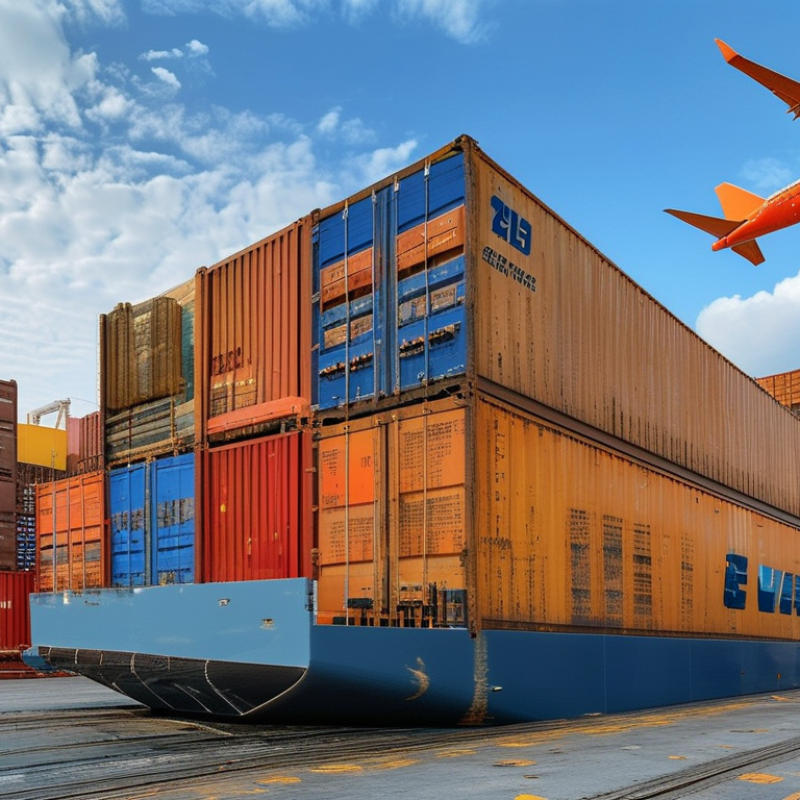
Shipping a container worldwide in 2026 requires more than comparing ocean freight rates. Route reliability, port congestion, documentation, insurance, and inland delivery can change the final cost. A container may leave Shanghai smoothly, yet wait days at Rotterdam before reaching a warehouse in Birmingham.
UNCTAD’s Review of Maritime Transport 2024 reports that maritime shipping carries over 80% of global merchandise trade by volume. It also highlights rising costs, geopolitical disruption, and pressure to reduce shipping emissions. The World Bank’s Logistics Performance Index 2023 shows that tracking, customs efficiency, and delivery reliability strongly influence logistics performance. These findings support a practical approach: compare total landed cost, not only the quoted freight charge. Small details matter. Container size, port pair, sailing schedule, cargo weight, and local trucking can reshape the estimate.
Lars Jensen, a container-shipping analyst and CEO of Vespucci Maritime, has repeatedly stressed, “The only thing we can be certain of is that the future is uncertain.” That warning fits 2026 planning. There is no perfect route. A cheaper service may involve longer transit times or extra handling. A premium service may reduce risk, but not eliminate it. This guide examines how to ship a container legally and efficiently, using verified carrier schedules, transparent quotations, suitable insurance, and accurate customs information. Some recommendations will remain imperfect. Conditions change quickly. Careful review still beats confident guessing.
Define the Shipping Requirements for Your Container
2026 Best Ways to Ship a Container Worldwide?
Define the Shipping Requirements for Your Container
A reliable shipping plan starts with cargo facts, not destination guesses. Record the container type, internal dimensions, gross weight, volume, and loading method. Note whether the cargo needs ventilation, temperature control, moisture protection, or extra securing. UNCTAD’s Review of Maritime Transport 2024 reports that ships carry over 80% of global merchandise trade by volume. That scale does not remove the need for precise cargo information.
Map the complete route from the loading point to the final delivery address. Include inland collection, port handling, transshipment, customs documentation, insurance, and last-mile access. The World Bank’s Logistics Performance Index 2023 shows that logistics performance differs considerably between economies. A short ocean route may still face slow border procedures or limited inland capacity. Ask for a realistic transit range, not only an attractive sailing schedule.
Small details often create expensive delays. Measure doorways and loading spaces. Confirm axle limits and delivery-hour restrictions. Share photos when the cargo shape is unusual. I have seen planning fail because the declared weight excluded pallets. That mistake is easy to make. It is also avoidable. A perfect checklist is impossible, and assumptions still slip through. Review the requirements with the shipper, carrier, customs professional, and receiver before booking. Their questions may expose the weakest part of the plan.
Compare the Main Global Container Transport Methods
2026 Best Ways to Ship a Container Worldwide?
Choosing a global container transport method depends on time, cargo value, route, and infrastructure. Ocean freight remains the volume leader. UNCTAD’s Review of Maritime Transport 2024 reports that shipping carries over 80% of world merchandise trade by volume. It suits heavy cargo, full containers, and predictable delivery windows. A container may wait several days at a congested terminal, though. That delay is easy to underestimate.
Rail offers a useful middle option between ocean and air. It can reduce transit time across connected land corridors, while keeping costs below air freight. However, rail depends on border procedures, track capacity, and equipment changes. The World Bank’s Logistics Performance Index 2023 highlights customs efficiency and shipment reliability as major performance factors. Rail is not automatically reliable. Route design matters more.
Air freight is the fastest choice for urgent, compact, and high-value goods. Industry data from the International Air Transport Association shows air cargo represents less than 1% of global trade volume, but about 35% of trade value. Road transport then provides flexible first-mile and final-mile movement, especially across regional markets. A practical plan often combines ocean, rail, road, or air. Yet every transfer adds handling risk, paperwork, and cost. I would not choose one method from speed alone. Door-to-door performance is the real measure.
2026 Best Ways to Ship a Container Worldwide?
Comparing the Main Global Container Transport Methods
Ocean freight generally provides the lowest emissions and the best cost efficiency for international container movements, but it usually requires the longest transit time. Rail offers a faster lower-emission alternative on connected land corridors, while road transport is most suitable for regional and final-mile delivery. Air cargo is the fastest option, but it has substantially higher emissions and cost.
Indicative global benchmark ranges shown as representative averages. Transit times vary by route, customs clearance, port congestion and service type. Emission factors are approximate well-to-wheel values expressed in grams of CO₂e per tonne-kilometre and are based on public transport-emission benchmarks.
Prepare Documents, Packaging, and Customs Information
Shipping a container worldwide starts long before it reaches the port. Prepare a commercial invoice, packing list, transport document, and any required certificates. Keep product descriptions specific. “Plastic parts” is weak; “molded polypropylene valve covers” is clearer. Use accurate quantities, weights, values, and country-of-origin details. Customs officers rely on these records.
Check import rules in the destination country before packing. Tariff classifications can affect duties, permits, and inspections. Ask a qualified customs professional when classification is uncertain. Do not guess. A small error can delay the container for days. Include the consignee’s full address, contact number, tax details, and delivery instructions. Digital copies help, but keep signed originals when authorities require them.
Packaging must survive lifting, vibration, humidity, and repeated handling. Use strong cartons, sealed pallets, moisture barriers, and internal cushioning where needed. Mark packages with gross weight, handling directions, and identification numbers. Keep heavier items low and distribute weight evenly. Photograph the sealed container, visible labels, and loading process. This evidence can clarify disputes later. A useful check is a document-to-carton comparison before departure. I have seen careful shipments delayed because one carton count did not match the packing list. That mistake is easy to prevent, yet often overlooked. Recheck everything.
Choose Routes, Carriers, and International Shipping Services
In 2026, international container shipping will depend on route design, carrier reliability, and service flexibility. Ocean freight suits heavy cargo, while air freight fits urgent, high-value shipments. Rail and truck connections can reduce inland delays. The route matters most.
UNCTAD’s Review of Maritime Transport 2024 reported continued disruption risks from rerouting, congestion, and geopolitical pressure. A cheaper ocean route may therefore create longer transit times and higher insurance exposure. Compare port pairs, sailing frequency, transshipment steps, and inland delivery before booking. Fewer handoffs usually mean fewer surprises, although not always lower cost.
Carrier selection should include more than a rate sheet. Check schedule reliability, container availability, tracking quality, claims handling, and local customs support. The World Bank’s Logistics Performance Index 2023 emphasizes timeliness, shipment tracking, and logistics competence as key performance areas. Ask for recent performance data, not broad promises. Request a written service plan.
Door-to-door international shipping services can simplify coordination, especially for small teams. However, bundled services may hide storage fees, handling charges, or difficult delivery windows. Review every surcharge. A pilot shipment can expose weak points before volume increases. My own caution is simple: perfect schedules rarely exist. Build buffer days, document package dimensions accurately, and keep one practical backup route.
Track Delivery, Manage Risks, and Control Total Costs
Shipping a container worldwide demands visibility from pickup to final delivery. I track each handoff, port departure, customs milestone, and inland movement. A simple dashboard can show delays before they become expensive surprises. Use location updates, document checks, and alerts for missed milestones. Small details matter. A wet seal or incorrect weight can stop movement for days.
Risk management begins before booking. Confirm cargo measurements, packaging strength, insurance terms, and destination requirements. Verify customs rules and cargo restrictions in every transit country. Weather, port congestion, labor disruptions, and equipment shortages can change the route quickly. Build time buffers around critical delivery dates. They are not wasteful. They are protection. I once underestimated a regional holiday and lost three working days, despite accurate tracking.
Total cost includes more than ocean freight. Calculate origin handling, storage, documentation, duties, insurance, inland transport, and possible demurrage. Request itemized quotations with clear validity dates. Compare routing options by landed cost, not headline price. A cheaper route may create longer storage exposure or extra transfers. Review invoices against agreed terms after delivery. Errors happen. Question them politely, and record the correction. Reliable shipping depends on consistent evidence, not confidence alone.