Top 10 Benefits of LTL Truck Freight for Global Buyers?

For global buyers navigating the complexities of shipping logistics, LTL truck freight offers significant advantages. LTL, or Less Than Truckload freight, is ideal for businesses needing to transport smaller shipments without the costs associated with full truckloads. This freight service is particularly advantageous for small to medium enterprises aiming to optimize their logistics while maintaining budgetary constraints.

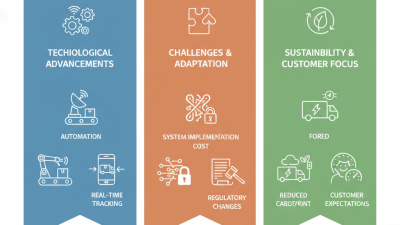
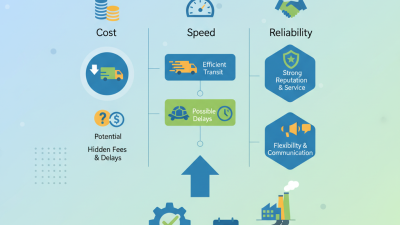
Leveraging LTL truck freight can lead to increased efficiency and flexibility. It allows buyers to send goods without waiting to fill an entire truck. This means faster delivery times and more responsive supply chains. Moreover, LTL services often come with tracking features, enhancing visibility throughout the shipping process. However, it’s important to acknowledge that LTL shipments can sometimes face delays due to multiple stops. Understanding these dynamics helps buyers make informed decisions, balancing speed with cost-effectiveness.

With rising demand for reliable and economical shipping solutions, LTL truck freight stands out. The intricate details of managing shipments can be daunting. Yet, recognizing the benefits and challenges can empower global buyers to navigate their logistics more confidently. Embracing LTL truck freight might be a strategic move, albeit one that requires careful planning and reflection on each unique situation.

Top 10 Benefits of LTL Truck Freight for Global Buyers?

Understanding LTL Truck Freight: A Primer for Global Buyers

Understanding LTL truck freight is crucial for global buyers navigating the complexities of logistics. Less-than-Truckload (LTL) shipping allows businesses to share truck space, minimizing costs while maximizing efficiency. According to the American Trucking Associations, LTL freight accounts for approximately 14% of the freight transportation market in the U.S. This sector is growing steadily, driven by e-commerce demands and diverse global supply chains.

LTL freight offers flexibility for shipments of varying sizes. It caters to small to medium-sized enterprises, allowing them to ship goods without paying for an entire truckload. This service is often more economical for buyers who do not have large shipment volumes. A study from Logistics Management highlights that LTL can reduce overall shipping costs by 20-30% compared to traditional full truckload options. However, buyers must be mindful of the potential for longer transit times, as shipments make multiple stops.

Reliable tracking and customer service are key aspects of LTL freight. They provide transparency, allowing buyers to monitor shipments in real-time. A report from FreightWaves shows that 83% of shippers prefer carriers that offer advanced tracking capabilities. Yet, challenges remain, such as potential damages during transit and issues with communication. Buyers must work closely with carriers to ensure the reliability of service. Thus, understanding LTL freight is vital for making informed decisions in today’s logistics landscape.

Cost-Effectiveness of LTL Freight Compared to Full Truckloads

LTL (Less Than Truckload) freight presents distinct cost advantages for global buyers. Unlike full truckloads, LTL shipments allow businesses to share transportation space. This sharing reduces costs significantly. Smaller businesses often find it challenging to fill a full truck. LTL provides a practical solution, ensuring they only pay for the space they utilize.

Additionally, LTL options can lead to flexibility in budget management. A business can adjust shipments based on demand without overcommitting funds. However, these benefits come with trade-offs. Consolidating shipments with others could extend delivery times. Buyers may face unpredictability in transit durations.

Despite these challenges, many find LTL freight a reliable choice. With careful planning and strategy, businesses can enjoy substantial savings. Ultimately, understanding the balance between cost and efficiency is crucial for leveraging LTL freight effectively. Embracing this shipping method can yield opportunities that align with a company’s logistical needs.

Flexibility and Scalability: How LTL Meets Diverse Shipping Needs

LTL (Less Than Truckload) freight offers global buyers a level of flexibility that is particularly valuable in today's dynamic market. Companies can adapt their shipping strategies based on their specific needs. For smaller shipments, LTL provides a cost-effective solution without compromising reliability. Buyers only pay for the space they use, making it budget-friendly.

LTL also allows for scalability, which is essential for growing businesses. As demand fluctuates, companies can adjust their shipping volumes easily. They can send larger freight during peak seasons and scale back when necessary. This approach minimizes waste and optimizes logistics. However, managing these shipments requires careful planning. Miscalculating space needs can lead to delays, impacting overall supply chains.

Moreover, LTL shipping accommodates diverse products and delivery schedules. It supports various industries, from retail to manufacturing. Businesses can strategize on delivery timelines. Yet, unexpected issues, like capacity shortages, may arise. These challenges encourage companies to continually evaluate their logistics strategies. Embracing flexibility and scalability can lead to more effective operations overall.

Speed and Efficiency: The Advantages of LTL in Supply Chains

In today’s fast-paced market, LTL (Less Than Truckload) truck freight offers several advantages for global buyers looking to optimize their supply chains. Speed is a primary benefit. According to logistics experts, LTL shipments can reduce transit times by up to 30% compared to traditional freight methods. This acceleration is crucial for businesses that face tight deadlines and dynamic market demands.

Efficiency also plays a significant role. LTL freight consolidates shipments from multiple clients, minimizing costs while maximizing network capacity. The Transportation Research Board indicates that utilizing LTL can lower shipping costs by approximately 20%-30% when compared to full truckload shipping. This cost-effectiveness not only boosts profit margins but also permits greater flexibility in inventory management.

Consider these practical strategies to enhance your LTL operations: track your shipments using advanced logistics software. This can help you monitor delivery timelines and maintain supply chain transparency. Aim to establish strong relationships with carriers. Effective communication with freight providers can lead to optimized routes and improved service reliability. By continuously analyzing performance metrics, you can make informed adjustments to your shipping strategies. This reflective approach will help your business thrive in a competitive landscape.

Environmental Impact: Sustainability Benefits of LTL Freight Services

LTL (Less Than Truckload) freight services are gaining attention for their environmental benefits. By consolidating shipments, LTL reduces the number of trucks on the road. This helps to lower greenhouse gas emissions, contributing to a cleaner environment. A single truck with multiple shipments is more efficient than many trucks carrying individual loads.

Utilizing LTL freight can lead to decreased energy consumption. Fewer trips mean less fuel is burned. Companies can choose eco-friendly carriers to maximize this benefit. Efficient routes and optimized loads make LTL an attractive option for global buyers focused on sustainability.

When considering LTL freight, evaluate your suppliers carefully. Look for those that prioritize green practices. Understand their commitment to sustainable logistics. Ask about their environmental policies to ensure they align with your values. Eco-friendly choices today can create a significant positive impact tomorrow.

Top 10 Benefits of LTL Truck Freight for Global Buyers - Environmental Impact: Sustainability Benefits of LTL Freight Services

Benefit Description Sustainability Impact Cost Efficiency
Reduced Carbon Emissions Less fuel is consumed per shipment compared to full truckloads. Lower carbon footprint by consolidating shipments. More competitive shipping rates due to shared load costs.
Efficient Use of Resources Maximizing cargo space usage leads to less waste. Promotes recycling and reduces material waste. Saves costs by optimizing the logistics process.
Less Traffic Congestion Reducing the number of trucks on the road by sharing loads. Contributed to lower urban air pollution levels. More efficient transport reduces delivery costs.
Improved Delivery Times Effective routing strategies enhance time management. Efficient transport leads to decreased environmental stress. Optimizes costs by reducing delays.
Flexible Shipping Options Ability to ship smaller quantities as needed. Encourages just-in-time delivery and reduces inventory waste. Improves budget management for shipping expenses.
Enhanced Customer Satisfaction Reliable shipping enhances customer trust. Sustainable practices attract eco-conscious customers. Increased sales through improved reputation.
Lower Packaging Waste Encourages consolidation of shipments, reducing packaging needs. Decreases landfill contributions from packaging materials. Lower packaging costs overall.
Supply Chain Efficiency Integrates various suppliers to streamline logistics. Promotes sustainability through organized shipping. Reduces operational costs via better logistics management.
Global Reach Access to international shipping options through carriers. Supports global trade with sustainability considerations. Cost-effective solutions for expanding markets.
Technology Integration Use of technology for tracking and optimizing shipments. Improves transparency and reduces inefficiencies. Minimizes costs by preventing losses and delays.