2026 Best Freight Container Options for Global Buyers?
In the ever-evolving world of global trade, selecting the right freight container can significantly impact logistics and operational efficiency. As businesses look to enhance their supply chains, understanding the diverse options available is crucial. The pool of freight containers includes standard dry vans, refrigerated units, and specialized containers designed for unique cargo. Each type has its own specifications, which can affect shipping costs and delivery times.
Freight containers are not just metal boxes; they are the backbone of international shipping. Buyers must recognize the importance of choosing containers that meet their specific needs. This can lead to improved product safety and reduced waste. Many buyers overlook the fine details in container specifications, which can result in costly mistakes.
In 2026, the freight market is anticipated to present new challenges and opportunities. As sustainability becomes a focal point, innovative container designs and materials are emerging. Buyers must stay informed about these trends to remain competitive. Ultimately, selecting the best freight container involves a careful balance of quality, cost, and reliability.
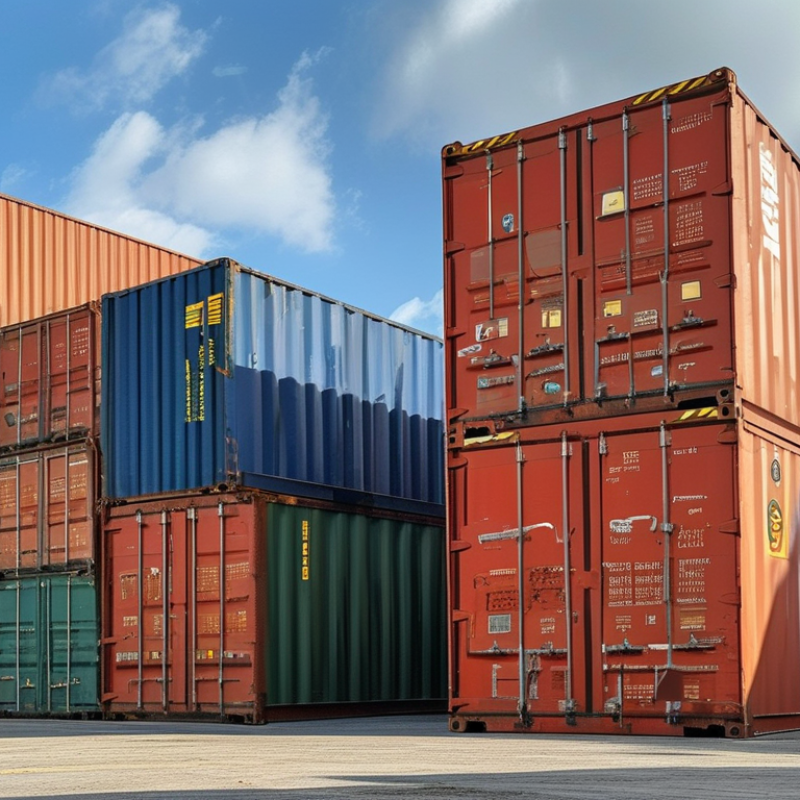
2026 Global Freight Container Market Overview
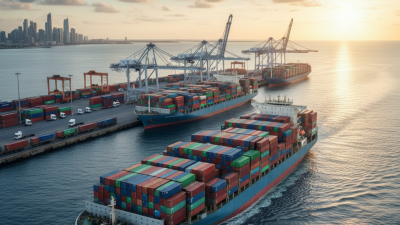
The global freight container market is evolving rapidly. According to recent industry reports, the market is projected to grow at a compound annual growth rate (CAGR) of 5.3% between 2021 and 2026. This growth is driven by increasing international trade and a surge in e-commerce. In fact, approximately 80% of global trade by volume is transported by containers.
Recent data indicates that the growing demand for sustainable shipping practices is reshaping container design. Eco-friendly materials are being utilized more frequently, representing a shift in industry standards. The rise of regulations aimed at reducing emissions compels manufacturers to innovate. Yet, despite this progress, many suppliers are still grappling with high production costs, which can hinder widespread adoption of sustainable solutions.
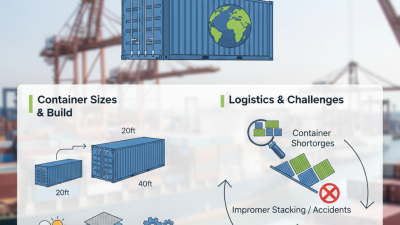
The market landscape also highlights the disparities in container availability. Disruptions from the pandemic have led to significant shortages. As a result, logistics firms struggle to source containers, impacting shipping timelines and costs. While some regions experience surplus, others face significant delays. This imbalance calls for a reevaluation of supply chain strategies. Addressing these challenges will be crucial for stakeholders aiming to thrive in the 2026 freight container market.
Key Features to Consider When Choosing Freight Containers
When selecting freight containers, understanding their key features is crucial for global buyers. Durability and strength are primary considerations. Containers made from high-quality steel can withstand harsh conditions. According to industry reports, a typical shipping container can last 10 to 15 years with proper maintenance. However, choosing a container with corrosion-resistant coatings can extend its lifespan significantly.
Size and type also play vital roles. Standard containers come in 20-foot and 40-foot options. The choice largely depends on the goods being transported. Some reports indicate that oversized cargo requires specialized containers, which can increase shipping costs. Additionally, the weight of the cargo matters; it's essential to know the container's maximum payload capacity, which can range from 28 to 30 tons for most standard models.
Another aspect worth noting is the security features. High-security locks and reinforced structures can prevent theft and damage. However, not all containers have these features, and buyers must assess their specific needs carefully. Ignoring these elements can lead to potential losses. Regular inspections and maintenance are recommended to ensure security and reliability throughout the container's use. The balance between costs and quality remains a common dilemma for many buyers in the freight industry.
Top Freight Container Types and Their Uses in 2026
In 2026, the freight container market offers diverse options for global buyers. Standard containers remain popular due to their versatility. They come in sizes like 20-foot and 40-foot. These containers suit various goods, from electronics to textiles. However, they may not be ideal for every cargo type. Buyers should assess specific needs before selecting.
Reefer containers are essential for perishable goods. They maintain a controlled temperature, making them suitable for food and pharmaceuticals. Still, these containers can be costly to operate. Users must consider electricity needs and maintenance. Tank containers, designed for liquids, also have their place. They transport dangerous goods safely. Yet, navigating regulations adds complexity for buyers.
Choosing the right container type is crucial. Each container has strengths and weaknesses. Evaluating the cargo, delivery routes, and costs is necessary. Reliable options are out there, but the decision must be thoughtful. The freight industry is evolving, and staying updated will guide better choices. A well-informed buyer can enhance logistical efficiency.
2026 Best Freight Container Options for Global Buyers
| Container Type |
Dimensions (L x W x H) |
Volume (CBM) |
Weight Limit (kg) |
Common Use |
| Standard Dry Container |
20' x 8' x 8.5' |
33.2 |
22000 |
General Cargo |
| High Cube Container |
40' x 8' x 9.5' |
76.4 |
30000 |
High Volume Cargo |
| Reefer Container |
40' x 8' x 9.5' |
76.4 |
30000 |
Perishable Goods |
| Open Top Container |
20' x 8' x 8.5' |
32.6 |
20000 |
Heavy Machinery |
| Flat Rack Container |
40' x 8' x 8.5' |
76.4 |
40000 |
Oversized Cargo |
Sustainable Freight Container Options for Eco-Conscious Buyers
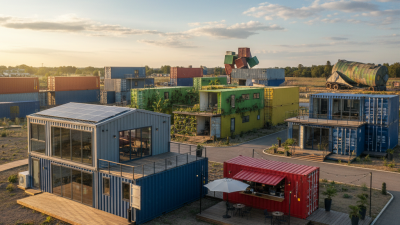
As global awareness of environmental issues grows, eco-conscious buyers seek sustainable freight container options. These containers are designed with materials that minimize environmental impact. Recycled steel, for instance, is a popular choice. Its durability ensures long-term use, reducing waste.
Choosing sustainable containers often involves trade-offs. For example, bio-based materials may not have the same lifespan as traditional ones. However, they significantly lower carbon footprints. A focus on lifecycle assessments helps buyers understand long-term implications.
Innovative solutions are emerging, but not without challenges. Many sustainable containers lack standardization. This can complicate shipping logistics and increase costs. Buyers must weigh the benefits against potential hurdles. It's essential to stay informed about advancements in eco-friendly technologies, which can influence future container designs.
Comparative Analysis of Leading Freight Container Manufacturers in 2026
The freight container market in 2026 is seeing dynamic changes. Understanding the advantages and disadvantages of various manufacturers is crucial for buyers. Leading companies focus on sustainability. They prioritize recyclable materials and energy-efficient production methods. This trend reflects growing environmental awareness among logistics firms.
Manufacturers offer various container sizes. Standard options remain popular, but specialized containers are gaining ground. These include refrigerated units and high-capacity variants. Each type serves distinct needs. However, durability often varies. Buyers should consider the lifespan of containers. Can they withstand harsh conditions?
Quality control is an area needing improvement. Some manufacturers struggle with consistent standards. This inconsistency can lead to delays and increased costs. Buyers must conduct thorough inspections. Additionally, warranty terms vary widely. A sound warranty can protect investments. Understanding the details of each offer helps mitigate risks. Making informed choices is key in today's evolving market.