China Top How Much Does It Cost to Move a 40ft Container?
Moving a 40-foot container from China can look simple on a quotation sheet. The real cost often develops through several smaller charges. Ocean freight, origin trucking, terminal handling, documentation, customs services, fuel adjustments, and destination delivery may all appear separately.
Lars Jensen, founder of Vespucci Maritime and a respected container-shipping analyst, has stated, “There is no such thing as a single freight rate.” This warning matters when comparing the cost to move 40ft shipping container across different routes. A quote from Shenzhen to Los Angeles may exclude inland delivery. Another quote from Ningbo to Rotterdam may include more services, but use a higher seasonal rate.
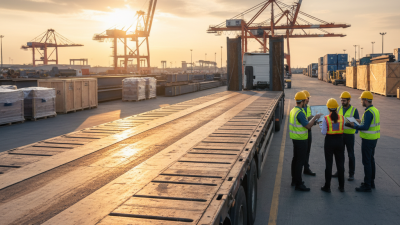
The container may leave a factory on a rainy Tuesday. A truck waits outside the gate, while storage charges begin after a free period ends. Small details can change the final invoice. A port delay, equipment shortage, or peak-season surcharge may add hundreds of dollars.
This guide examines realistic pricing ranges for China-origin shipments. It separates basic ocean freight from supporting costs. It also explains why distance alone does not determine the final amount. Rates change frequently, so no online estimate should be treated as permanent. That is an important limitation.
The clearest comparison uses the same shipment details: loading city, destination port, cargo weight, delivery terms, sailing date, and included services. Without them, two “cheap” quotes may not describe the same move.
What Is the Average Cost of Moving a 40ft Container from China?
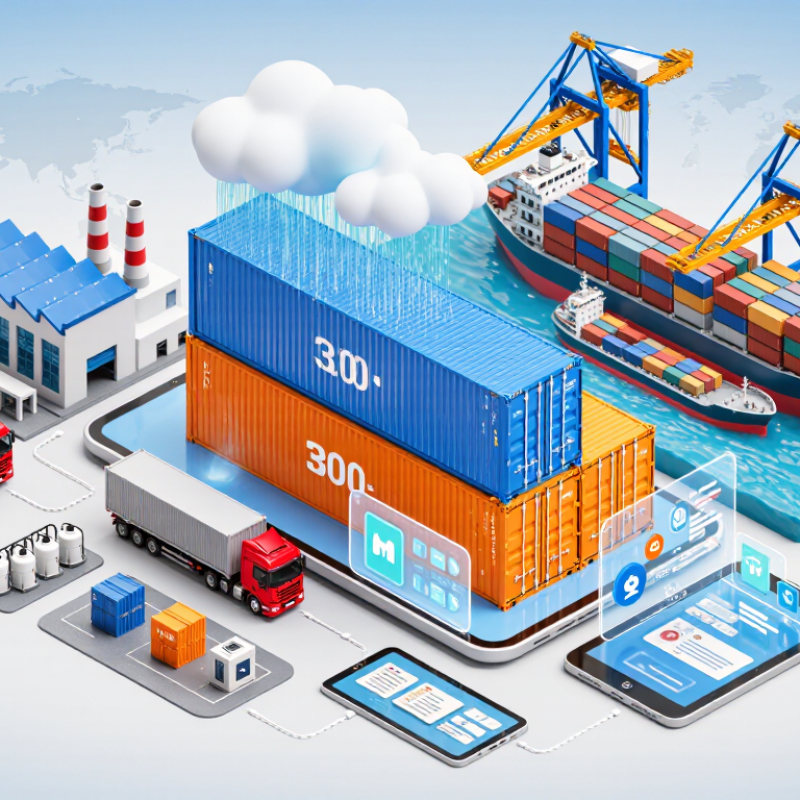
The average cost of moving a 40ft container from China usually ranges from USD 2,000 to USD 5,500 for ocean freight. This estimate covers port-to-port transport, not every service involved. Costs change with the destination, shipping season, fuel prices, and available vessel space. A route to a nearby Asian port may cost less, while transport to North America or Europe can cost considerably more.
From my experience reviewing shipping quotations, the final budget often reaches USD 4,000 to USD 10,000 for door-to-door delivery. This broader estimate may include export handling, documentation, terminal charges, customs clearance, inland trucking, and destination fees. A container leaving a factory near a major port usually needs less local transport. A shipment from an inland city may require extra trucking or rail movement. Small details matter.
Port congestion can quickly change a quotation. Peak-season surcharges may also appear with little warning. I have seen two quotes for the same 40ft container differ by more than USD 1,500. That gap was not always obvious at first. Ask whether the price includes loading, insurance, duties, storage, and delivery appointments. These items are often excluded.
Freight rates are not fixed. A reliable estimate should show the route, service scope, validity period, and every additional fee in writing.
Which Factors Affect 40ft Container Shipping Costs?
A 40-foot container leaving China does not have one fixed shipping price. In practical freight quoting, I compare the route, cargo weight, schedule, and local charges before judging a number. The same container can cost very differently between two ports.
Distance matters, but it is not the only driver. Ocean freight changes with fuel prices, vessel capacity, seasonal demand, and currency movement. Port handling, documentation, terminal security, and inland trucking can add substantial costs.
A container collected from an inland warehouse may need rail or truck transport before reaching the export port. Destination delivery can be equally expensive, especially where roads, congestion, or equipment shortages slow operations. Cargo weight also matters. A heavy load may require special handling or create additional transport limits.
Timing deserves careful attention. Urgent bookings often cost more than flexible ones. Peak periods can raise rates quickly. Ask whether the quote includes loading, port fees, customs-related services, insurance, and final delivery. Terms are easily misunderstood. The first estimate is rarely perfect. I have seen small omissions become large invoices, especially when detention or storage charges were excluded. Recheck free time, surcharges, and delivery conditions in writing. Request identical cost inclusions from every quoted provider.
How Are Port, Customs, and Inland Delivery Fees Calculated?
For a 40ft container moving from China, the quoted freight rate is only one part of the cost. Port charges often include terminal handling, documentation, security, storage, and equipment fees. Terminals may also add congestion or peak-season surcharges. Free storage days matter greatly. After that period, daily charges can rise quickly.
Customs costs usually follow the cargo’s declared value, tariff classification, and destination tax rules. Import duty is commonly calculated as customs value multiplied by the applicable tariff rate. VAT or GST may include the cargo value, duty, and certain transport costs. Inspection, brokerage, and document fees are often fixed or service-based.
The World Trade Organization reported that full trade facilitation could reduce global trade costs by 14.3%, showing why accurate documents matter. Small errors can become expensive delays.
Inland delivery depends on distance, truck type, tolls, fuel, chassis rental, waiting time, and delivery-zone restrictions. Rail or barge may reduce long-distance costs, but extra handling can offset part of the saving.
UNCTAD’s Review of Maritime Transport 2024 confirms that maritime shipping carries over 80% of global merchandise trade by volume. Port pressure remains real.
A practical quote should list every assumption, including free days and unloading conditions. It should not promise a perfect final price. Routes change, and invoices sometimes reveal overlooked fees.
What Shipping Routes and Transport Methods Are Available?
Moving a 40ft container from China involves more than the ocean freight quote. The route, cargo weight, inland distance, and delivery urgency can change the final cost sharply. In my experience, a standard full-container shipment usually follows a port-to-port ocean route. Common options include transpacific services to North America, Asia-Europe services, and routes toward the Middle East, Africa, or Latin America. Sailing time may range from two to seven weeks, depending on the destination and transshipment stops.
The transport method changes the cost structure. Trucking is practical for factory pickup and final delivery, especially when the warehouse sits near a major port. Rail can reduce inland distance on some international corridors, but schedules and border procedures require careful checking. Barges may serve inland ports at a lower cost, although they are often slower. A combined truck, rail, and ocean plan can balance price and reliability. Air freight is usually unsuitable for a 40ft container because capacity is limited and costs rise quickly.
The route is only part of the calculation. Port handling, customs documentation, terminal storage, chassis use, insurance, and delivery appointments may appear as separate charges. Ask for a door-to-door quotation with every surcharge listed. Incoterms also matter because they define who pays and who carries risk. A port-to-port estimate can look attractive at first. It may not include the last 100 kilometers. Delays happen. I have found that leaving a modest time and budget buffer prevents many uncomfortable surprises.
How Can You Reduce the Total Cost of Moving a 40ft Container?
Moving a 40ft container can become expensive when small charges accumulate. Freight, terminal handling, inland transport, documentation, insurance, and storage may all appear separately. Request a detailed quotation with every fee listed. Compare the complete landed cost, not only the ocean freight rate.
Plan the shipment several weeks early. Early booking can provide better equipment availability and reduce urgent trucking charges. Choose flexible sailing dates when possible. Peak-season surcharges can change quickly. Grouping compatible cargo into one well-planned load may reduce handling expenses. However, never exceed the container’s weight limits or ignore safe loading requirements.
Measure the cargo carefully before requesting quotes. Incorrect dimensions can cause rebooking, extra labor, or unexpected space charges. Details matter. Select a nearby port only when inland transport remains practical. A cheaper port may create higher rail or truck costs. Ask whether the quotation includes chassis fees, fuel adjustments, terminal charges, and destination handling.
Avoid storage and demurrage by preparing documents before arrival. Customs information should be accurate and complete. One missing detail can delay release for days. Review the carrier’s free-time terms in writing. Insurance may also protect the budget when damage occurs, although coverage differs by policy. A frequent mistake is choosing the lowest initial quote. That decision can fail when local fees appear later. Recheck the estimate after packing, because the final weight and volume may differ from the first calculation.
Related Posts
-
How to Get Accurate Flatbed Trucking Quotes for Your Shipping Needs?
-

10 Best Dedicated Trucking Companies for Reliable Freight Transportation
-

Top 10 Best Uses for Empty Shipping Containers You Need to Know
-
How to Choose the Right Shipping Container in 2026?
-

How to Find Freight Loads: A Comprehensive Guide for Truck Drivers
-
How to Calculate the Cost to Move a 40ft Shipping Container?