How to Ship a Container Efficiently for Global Trade?
In today's interconnected world, the ability to efficiently ship a container is vital for global trade. The logistics of container shipping involve many factors. Understanding these factors can significantly enhance shipping efficiency. For businesses, even minor mistakes can lead to delays and increased costs.
Effective container shipping requires careful planning and execution. Selecting the right shipping method is crucial. Companies must consider the type of goods, destination, and timeline. Moreover, coordination with reliable shipping partners ensures smoother operations. It's essential to stay updated with regulations and documentation.
However, challenges often arise. Mistakes can happen at any stage of the process. These can include inaccurate paperwork or improper loading techniques. Reflecting on past experiences can guide future shipments. A proactive approach not only saves time but also boosts trading success. In the realm of global trade, mastering container shipping can create meaningful opportunities.
Understanding Container Shipping Basics for Global Trade
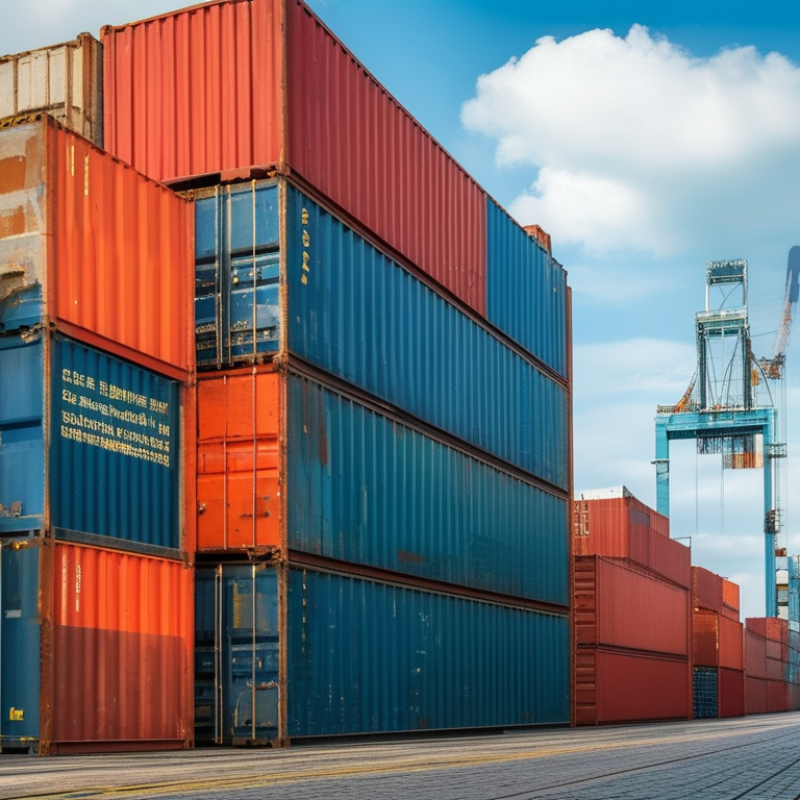
Container shipping is a vital element in global trade, with approximately 80% of goods transported by sea. Understanding its basics can enhance efficiency. The process starts with selecting the right container size and type. Common options include 20-foot and 40-foot containers. However, using the wrong size can lead to wasted space or shipments exceeding weight limits.
Shipping routes also play a crucial role. According to industry data, the most efficient routes can reduce transit times by up to 30%. Factors like port congestion and seasonal weather patterns should be considered. Moreover, container tracking systems aid in monitoring shipments, providing real-time updates, and minimizing losses. Yet, many companies underestimate the importance of this technology.
In terms of cost, freight rates fluctuate based on demand, fuel prices, and geopolitical factors. A lack of thorough market analysis may result in higher shipping expenses. Understanding these elements can significantly improve shipping strategies. When businesses prioritize informed decisions, they not only optimize their operations but also strengthen their competitive edge in the global market.
Evaluating Shipping Requirements and Regulations by Destination
Shipping containers effectively requires understanding destination regulations. Each country has unique requirements that affect shipment processes. For example, the World Bank's Logistics Performance Index shows significant variability in customs efficiency across nations. This might delay shipping operations if not properly accounted for in advance.
Compliance with destination regulations is critical. Certain goods face strict import restrictions or additional tariffs. According to a report from the International Chamber of Commerce, misunderstandings about documentation can lead to costly delays. Some regions require specific certificates of origin or health inspections, which adds layers to logistics management.
Understanding these regulations demands ongoing research. Policies change frequently, reflecting global economic shifts or trade agreements. Companies must also prepare for unexpected inspections and bureaucratic hurdles. Monitoring updates from government websites or trade organizations is essential. This helps businesses avoid disruptions and ensures efficient shipping operations. Balancing diligence with adaptability is key in the dynamic landscape of global trade.
How to Ship a Container Efficiently for Global Trade? - Evaluating Shipping Requirements and Regulations by Destination
| Destination |
Shipping Method |
Estimated Transit Time |
Customs Requirements |
Cost (USD) |
| Germany |
Sea Freight |
10-14 days |
Import license, Commercial invoice |
1,500 |
| China |
Air Freight |
5-7 days |
Certificate of Origin, Customs declaration |
3,200 |
| Brazil |
Rail Freight |
12-18 days |
Import declaration, Invoice |
2,000 |
| India |
Sea Freight |
14-21 days |
Licenses, Technical Standards |
1,800 |
| Australia |
Air Freight |
6-8 days |
Biosecurity import permits |
4,000 |
Selecting the Right Container Type for Your Cargo
Choosing the right container type for your cargo is crucial in global trade. Different goods require different handling and storage solutions. Standard containers might suit general cargo, but specialized options exist for various needs. Refrigerated containers are essential for perishable goods, while flat racks are ideal for oversized items. Understanding the nature of your cargo helps avoid damage and minimizes shipping costs.
To enhance efficiency, assess the weight and dimensions of your items. Ensure containers match your cargo's specifications. Utilize tools like weight calculators to confirm the total load. Consider using flexible packaging when appropriate. This method allows you to maximize container space effectively.
Reflecting on past shipments can provide valuable insights. Did you select the right type of container? Were there any issues during transit? Analyzing these experiences helps improve future shipping decisions. Seeking advice from logistics experts can also bolster your container selection process, making your global trade endeavors smoother and more reliable.
Container Types and Their Typical Capacities for Global Trade
Optimizing Packing Strategies to Maximize Container Space
Optimizing packing strategies is crucial for maximizing container space. A well-planned packing process can significantly reduce shipping costs. Consider the dimensions of your cargo. Use precise measurements to avoid wasted space. Often, shippers make the mistake of not fully utilizing vertical space. Stack lighter items on top of heavier ones, ensuring stability during transport.
Utilizing various packing methods can enhance space efficiency. For instance, employing modular packaging can allow for flexible arrangements. This enables shippers to fill gaps that might otherwise be wasted. Additionally, using protective padding strategically can protect fragile items while ensuring maximum space usage. However, this can lead to errors if overestimations occur.
Every shipment presents unique challenges. Different cargo types require different approaches. Assessing each item’s weight and fragility is key. It’s important to remain adaptable and continuously review packing strategies. Reflecting on past shipments can reveal areas for improvement. Effective communication with logistics teams can help identify these points too. As packing standards evolve, staying informed is vital for success in global trade.
Choosing Reliable Shipping Partners and Tracking Solutions
Choosing reliable shipping partners is vital for efficient container shipments. Researching potential partners thoroughly can help avoid issues later. Look for companies with a strong track record and good customer feedback. They should demonstrate expertise in handling your specific cargo type. Reach out to industry contacts for recommendations. Positive word-of-mouth can guide you to trustworthy options.
Tracking solutions also play a key role in the shipping process. Implementing real-time tracking can significantly enhance visibility. This allows you to monitor your container's journey from origin to destination. Many shipping companies provide intuitive software for this purpose. However, staying updated in case of delays can be challenging. Ensure you have a clear communication plan with your chosen partner. Understand the systems they use for tracking.
Navigating these choices can feel overwhelming at times. Not all shipping partners are created equal, and some may lack essential capabilities. It's important to ask critical questions upfront. For instance, inquire about their experience with customs regulations. Reflect on how these factors can impact your overall shipping strategy. Over time, fine-tuning your partner selection and tracking methods can lead to more efficient global trade operations.