Why Choose LTL Trucking for Global Freight Shipping?
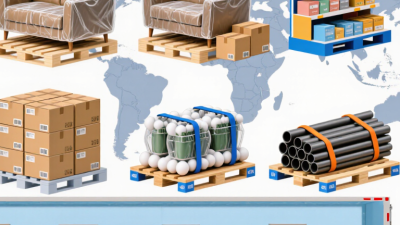
Global freight shipping rarely involves one full truckload moving between two points. Many businesses ship smaller quantities, from six cartons of machine parts to several pallets of packaged goods. For these shipments, ltl trucking can offer a practical balance between cost, capacity, and delivery planning. Freight shares trailer space with other compatible shipments, reducing the need to reserve an entire vehicle.
The value becomes clearer at a regional terminal. Pallets are weighed, labeled, scanned, and transferred through a coordinated network. Reliable carriers provide shipment visibility, appointment updates, and clear handling procedures. Experienced logistics teams also review packaging, freight class, dimensions, and delivery requirements before pickup. These details matter. A poorly wrapped pallet can create delays, damage claims, or unexpected accessorial charges. Strong documentation supports smoother coordination with carriers, warehouses, and customs professionals.
LTL is not the right answer for every international shipment. Full truckload service may suit urgent, high-volume, or highly sensitive freight better. Transit times can also vary when several terminals are involved. That trade-off deserves honest attention. Still, when shippers plan carefully, ltl trucking can connect suppliers, distribution centers, and overseas partners without paying for unused trailer space. The best results come from verified carrier performance, realistic delivery windows, compliant export documents, and consistent communication. No network is flawless. Careful preparation simply makes its weaknesses easier to manage.
What LTL Trucking Means in Global Freight Shipping
Why Choose LTL Trucking for Global Freight Shipping?
What LTL Trucking Means in Global Freight Shipping
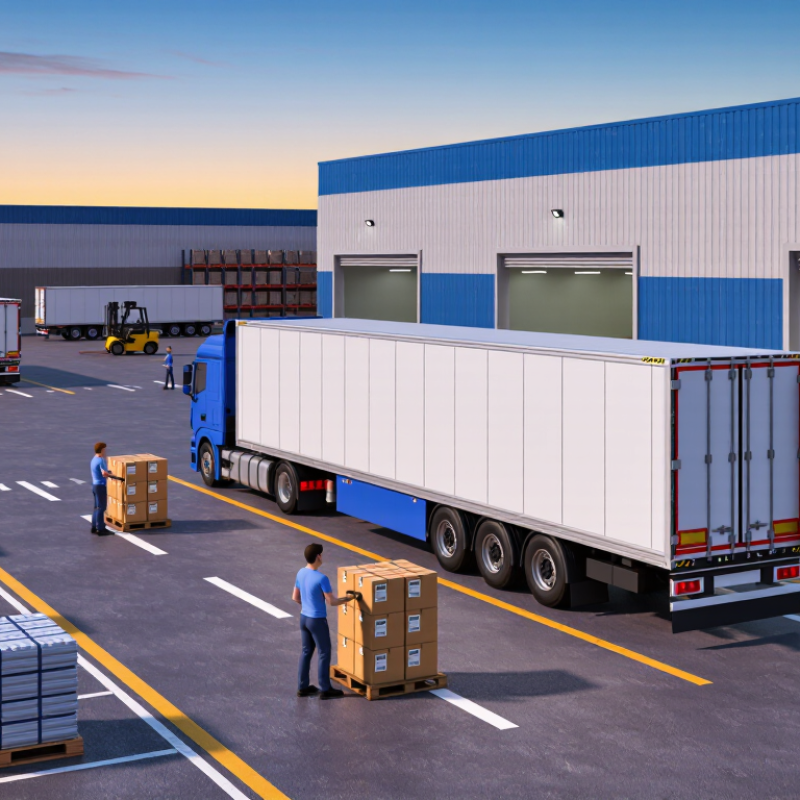
LTL means less-than-truckload shipping. Your freight shares trailer space with other compatible shipments. This model suits cargo that cannot fill an entire truck. A small exporter might ship three pallets weighing 1,200 kilograms. Instead of paying for unused capacity, the exporter pays for the space occupied.
Global LTL freight often involves several transport stages. Cargo may travel from a warehouse to a consolidation terminal, then to a port or regional depot. Each transfer requires accurate labels, strong wrapping, and clear handling instructions. Experienced planners also confirm pickup windows, delivery appointments, pallet dimensions, and customs documents. Small errors can create delays.
It sounds simple.
In reality, international LTL requires careful coordination. Different terminals may use different schedules and handling procedures. Transit times can change because of congestion, weather, or missed connections. LTL is usually cost-efficient for smaller loads, but it may not suit fragile, urgent, or highly specialized cargo. A full-truck option can sometimes reduce handling and risk.
Reliable planning starts with honest cargo details. Declare the actual weight, dimensions, commodity description, and packaging condition. Underestimating measurements may produce unexpected charges or rework. I would also compare service frequency, transfer points, insurance terms, and delivery performance. The cheapest quote is not always the most dependable choice.
Why Choose LTL Trucking for Global Freight Shipping?
What LTL trucking means in global freight shipping
Less-than-truckload (LTL) shipping consolidates multiple partial shipments in one truck instead of assigning a dedicated vehicle to each shipment. This can reduce transport cost and improve vehicle utilization while offering faster road access than rail or ocean freight for regional and cross-border distribution. The chart shows representative freight-emission intensities by transport mode, measured in grams of CO₂-equivalent per tonne-kilometre.
Data: Representative transport-mode values based on ranges reported in the Smart Freight Centre GLEC Framework and European freight-emission studies. Actual results vary by route, load factor, fuel, vehicle type, and distance.
How LTL Shipments Move Through the International Supply Chain
Why Choose LTL Trucking for Global Freight Shipping?
LTL shipments move through the international supply chain in several controlled stages. A carrier collects pallets from the shipper and takes them to a local freight terminal. There, workers weigh, scan, and consolidate the shipment with compatible cargo. Accurate dimensions matter because space and handling charges depend on them. The freight then travels to an export gateway by truck or rail. After required documentation is reviewed, it may continue by ocean or air. At the destination country, the shipment passes through customs procedures before moving to another terminal. Workers separate the freight, inspect its condition, and arrange final delivery by truck. This process uses multiple handoffs. Small errors matter.
Tips: Use strong pallets, clear labels, and moisture protection. Provide exact weights, dimensions, delivery contacts, and product descriptions. Ask for milestone updates at pickup, terminal arrival, departure, and final delivery. Build extra time into the schedule, especially around ports and border crossings. A shared document checklist can prevent avoidable delays.
LTL trucking suits global freight when a full trailer is unnecessary. It can reduce unused capacity while connecting regional roads with international transport networks. However, lower volume does not mean lower planning needs. Mixed freight may face delays from terminal congestion, damaged packaging, or incomplete instructions. In practice, reliable results depend on careful preparation and realistic timing. No plan is perfect. Reviewing each shipment afterward can reveal weak points, even when delivery succeeds.
Why LTL Reduces Costs for Smaller Global Shipments
Why Choose LTL Trucking for Global Freight Shipping?
Why LTL Reduces Costs for Smaller Global Shipments
Less-than-truckload shipping suits cargo that cannot fill an entire trailer. Several compatible shipments share space, handling, and linehaul expenses. This model can reduce the cost per pallet for smaller international orders.
The savings become visible with practical details. Imagine eight pallets moving from a regional warehouse to a port. A dedicated truck may leave with unused capacity, while LTL combines those pallets with other freight. Shippers pay for the space they occupy, not an entire vehicle. Packaging still matters. Weak cartons can create rework, claims, and unexpected handling charges.
Global transport adds complexity. The World Bank’s Logistics Performance Index 2023 collected feedback from logistics professionals across 139 economies. Its findings show major differences in customs, infrastructure, tracking, and delivery reliability. LTL planning must therefore include border documents, transfer points, and realistic delivery windows.
UNCTAD’s Review of Maritime Transport reports that ships carry over 80% of global merchandise trade by volume. LTL can connect inland suppliers with those maritime networks through scheduled consolidation. That connection lowers the need for expensive dedicated drayage in some lanes.
The calculation is not always simple. A low freight quote may hide extra terminal handling or storage. Experienced planners compare total landed cost, not just the linehaul rate. They also check pallet dimensions, density, accessorial fees, and delivery urgency. Sometimes a full truck is cheaper. That is worth admitting.
Key Factors for Selecting an LTL Freight Carrier
Why Choose LTL Trucking for Global Freight Shipping?
Choosing an LTL freight carrier requires more than comparing a base rate. For global shipments, confirm how the carrier manages domestic pickups, port transfers, and final delivery. Ask about terminal coverage, partner screening, and communication across time zones. One missed handoff can delay freight for days. Reliability matters.
Review transit history, damage rates, claims procedures, and proof-of-delivery timing. An experienced carrier should explain accessorial charges before collection, including liftgate, reweigh, residential, and storage fees. Clear pricing protects budgets, although estimates can change when dimensions are inaccurate. That is a common planning mistake. Check whether tracking shows meaningful events, not merely a label-created notice. Request sample reports and a clear escalation contact.
Tips: Measure every pallet carefully and photograph its condition before pickup. Use corner boards, strong stretch wrap, and visible handling labels. Confirm documentation requirements with qualified shipping professionals. Ask how delays, damaged cartons, and missed appointments are handled. No carrier performs perfectly. A carrier that admits weak points and explains corrective action may be more trustworthy than one promising flawless service. Small details, such as a reachable weekend contact, often matter when freight is waiting at a terminal.
Why Choose LTL Trucking for Global Freight Shipping? - Key Factors for Selecting an LTL Freight Carrier
| Evaluation Dimension | Typical LTL Planning Reference | Why It Matters for Global Freight | Carrier Selection Checkpoint |
|---|---|---|---|
| Shipment Size | Commonly used for palletized or crated freight that does not require a full truckload; shipment weight is often below approximately 15,000 lb, depending on the network. | LTL consolidates shipments from multiple customers, allowing smaller consignments to move without paying for an entire trailer. | Confirm weight limits, maximum pallet dimensions, stackability rules, and rules for overlength freight. |
| Freight Classification | In North American LTL, freight classification commonly reflects density, handling, stowability, and liability. National Motor Freight Classification classes range from 50 to 500. | Accurate classification improves quotation accuracy and reduces reclassification or billing disputes. | Ask whether the carrier supports density-based rating, product-specific classifications, and pre-shipment validation. |
| Density and Packaging | Density is calculated as shipment weight divided by cubic volume. Strong pallets, corner protection, stretch wrap, and clear labels are standard risk controls. | LTL freight is handled at multiple terminals, so packaging quality affects damage risk, cube utilization, and cost. | Review packaging guidelines, pallet requirements, prohibited materials, and procedures for fragile or high-value goods. |
| Transit-Time Planning | LTL transit is generally slower than direct truckload service because freight may be collected, cross-docked, line-hauled, and delivered through several network stages. | A reliable delivery window is important when international ocean, air, rail, customs, or final-mile schedules are connected to the LTL move. | Compare published transit commitments, terminal cut-off times, appointment requirements, and service recovery procedures. |
| International Connectivity | LTL usually operates as one part of a multimodal shipment, connecting with ports, airports, rail ramps, customs brokers, and destination delivery services. | Coordinated handoffs can reduce storage time, duplicate paperwork, and missed connection risk. | Verify service coverage, partner responsibilities, customs documentation support, and delivery terms such as FCA, DAP, or DDP. |
| Pricing Transparency | The total charge may include line-haul transportation, fuel surcharge, freight classification, accessorial services, customs-related fees, and taxes where applicable. | A low base rate can become expensive when delivery conditions or handling requirements are not included in the quote. | Request an itemized quote and define charges for liftgate, residential delivery, limited access, appointments, detention, storage, and re-delivery. |
| Pickup and Delivery Flexibility | LTL can support scheduled pickups, business deliveries, residential deliveries, liftgate service, inside delivery, and limited-access locations, subject to availability. | Flexible service is valuable when overseas suppliers, distribution centers, retail locations, or construction sites have different receiving requirements. | Confirm service availability by postal code, appointment processes, equipment requirements, and cut-off times. |
| Shipment Visibility | Useful visibility includes pickup confirmation, terminal scans, estimated delivery dates, exception alerts, proof of delivery, and electronic document access. | Event data helps logistics teams coordinate customs clearance, inventory planning, customer communication, and onward transportation. | Evaluate tracking frequency, API or EDI capability, exception notifications, document retention, and data accuracy. |
| Claims and Liability | Cargo liability is governed by the applicable transportation contract, tariff, law, and declared-value terms; carrier liability is not automatically the same as full cargo insurance. | Clear liability rules are essential when freight crosses borders or includes high-value, fragile, regulated, or time-sensitive goods. | Review coverage limits, exclusions, filing deadlines, evidence requirements, and optional cargo insurance arrangements. |
| Sustainability Potential | Consolidating smaller shipments can improve trailer utilization compared with sending partially empty dedicated vehicles, although actual emissions depend on routing, equipment, fuel, and handling. | Consolidation may reduce transportation inefficiency while supporting shipment-level carbon reporting. | Ask for emissions calculation methods, activity data, reporting boundaries, and options for lower-emission transport. |
| Best-Fit Use Case | LTL is generally suitable for recurring palletized shipments that are too large for parcel service but do not require a dedicated truck. | It offers a practical balance between cost, capacity, and delivery flexibility for many cross-border supply chains. | Use a cost-and-service comparison against parcel, partial truckload, full truckload, air freight, and ocean freight before selecting the mode. |
Note: Planning ranges and service conditions vary by origin, destination, freight characteristics, contract terms, border requirements, and current transportation regulations. Confirm final rates, liability, transit commitments, and accessorial charges in the carrier’s current quotation and service agreement.
LTL Limitations, Risks, and Best-Use Scenarios
Why Choose LTL Trucking for Global Freight Shipping?
LTL trucking can reduce costs when a shipment occupies only part of a trailer. It works well for palletized freight moving through established international routes. A two-pallet machinery shipment may avoid paying for unused trailer space. However, lower pricing often means more transfers, terminals, and handling points.
LTL limitations deserve careful attention. Freight can wait at consolidation hubs, creating less predictable delivery times. Each transfer may increase the risk of crushed corners, broken wrapping, or misplaced labels. Cross-border shipments also require accurate invoices, dimensions, classifications, and customs details. One incorrect measurement can trigger extra charges. The weakness is easy to underestimate.
LTL is usually suitable for durable, non-urgent goods with stable packaging and flexible delivery dates. Use reinforced pallets, corner protection, moisture barriers, and clear handling instructions. Confirm accessorial fees for liftgates, residential delivery, limited access, and storage. High-value, fragile, temperature-sensitive, or deadline-critical cargo may need a more controlled service. A common planning mistake is choosing LTL from the freight rate alone. That assumption deserves challenge. A delayed pallet can disrupt production, customer appointments, and inventory plans. Before booking, compare total exposure, not only the quoted transport price.
Related Posts
-
Top 10 LTL Loads for Global Buyers
-
Top 10 LTL Trucking Companies for Global Buyers
-
2026 Top Trends in LTL Truck Freight Services What to Expect?
-
Top Benefits of LTL Trucking for Global Buyers?
-
2026 How to Choose the Best LTL Trucking Services for Your Business?
-

Best Less Than Truckload Freight Solutions for Your Business?