Why Is My Full Truckload Quote So High?
A full truckload quote can look surprisingly high, even when the shipment seems simple. A 53-foot trailer, one pickup, and one delivery do not tell the whole story. Distance matters, but so do regional capacity, fuel prices, driver hours, appointment times, and empty miles. The American Trucking Associations reported that trucking generated about $906 billion in U.S. freight revenue in 2023. That scale shows why small operational details can influence a large market.
The DAT Freight & Analytics Truckload Volume Index and RateView reports track changing truckload demand and pricing across major lanes. Their market data regularly shows different rates for similar distances. A Los Angeles-to-Dallas shipment may price differently from Dallas-to-Los Angeles freight. Equipment balance, weather, produce seasons, and nearby construction can change available capacity. Fuel is another visible factor. The U.S. Energy Information Administration’s weekly diesel reports help explain why fuel surcharges move with regional prices.
The quote is not only a transportation charge. It may include linehaul, fuel, tolls, detention risk, stop-off fees, liftgate needs, and tight delivery windows. A carrier may also price in deadhead miles before pickup. That detail is easy to miss.
Sometimes, the estimate is genuinely too cautious.
I have seen shippers compare two quotes without checking their assumptions. One included flexible receiving hours. The other priced a narrow appointment and possible overnight delay. Neither quote was automatically wrong. The comparison was incomplete. This guide examines why a full truckload quote rises, which data supports the increase, and where shippers can ask better questions before accepting the price.
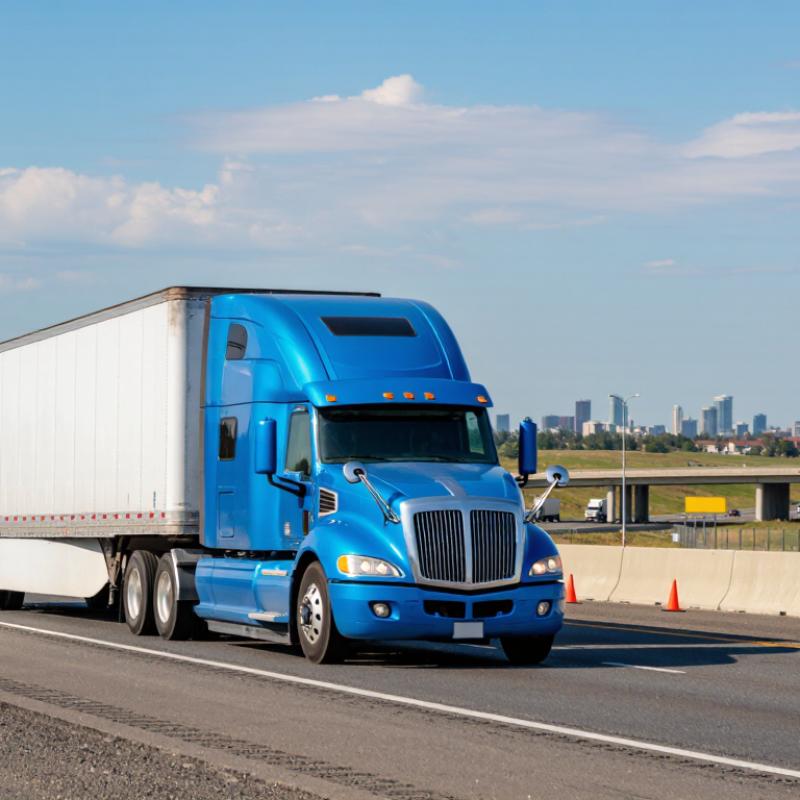
What a Full Truckload Quote Includes
Why Is My Full Truckload Quote So High?
A full truckload quote is more than a price for moving freight between two docks. It normally includes the linehaul charge, fuel adjustment, equipment, and estimated transit distance. A 53-foot dry van may cost differently from a refrigerated or flatbed trailer. Capacity also matters. Limited trucks, seasonal demand, or a difficult pickup window can raise the base rate. In one practical example, a short shipment during harvest season cost more than a longer lane with steady capacity. Distance alone was not the deciding factor.
The quote may also include tolls, loading requirements, appointment scheduling, and estimated accessorial charges. Detention, layover, driver-assist loading, and extra stops can change the final invoice. Some providers explain these items clearly. Others list them as conditions, making comparisons difficult. Ask whether fuel is fixed or indexed. Confirm the expiration time, payment terms, cargo assumptions, and cancellation rules. A reliable quote should explain what happens when a truck waits beyond free time. It should also state whether taxes or special handling costs are excluded. I have found that vague wording creates more surprises than a high starting price.
Tips: Request an itemized quote in writing. Provide accurate weight, dimensions, addresses, dock hours, and appointment needs. Compare the expected total cost, not only the headline rate. Recheck details before dispatch. My own estimates have been wrong when warehouse delays were overlooked.
Why Is My Full Truckload Quote So High? - What a Full Truckload Quote Includes
| Quote Component | What It Covers | Illustrative Amount | Typical Pricing Impact | Why It May Increase |
|---|---|---|---|---|
| Base Linehaul | The carrier's charge for moving the truck from origin to destination. | $2,400 | Usually the largest portion of the quote. | Longer distance, limited truck availability, difficult lanes, or strong seasonal demand. |
| Fuel Surcharge | A variable charge linked to diesel prices and the shipment's mileage. | $525 | Often calculated as a cents-per-mile amount. | Higher fuel prices, longer routes, or a carrier fuel schedule that has not yet adjusted downward. |
| Equipment Requirement | Use of a specific trailer type, such as dry van, refrigerated, flatbed, or specialized equipment. | $0–$1,200 | Refrigerated and specialized equipment generally costs more than a standard dry van. | Temperature control, oversized dimensions, loading restrictions, or scarce equipment. |
| Pickup and Delivery Accessorials | Additional services at pickup or delivery, including detention, layover, driver assist, or limited-access handling. | $0–$350 | Usually charged only when the service or delay occurs. | Long loading times, appointments, warehouses without docks, residential locations, or multiple stops. |
| Tolls and Route Charges | Road tolls, bridges, tunnels, ferries, and other route-specific charges. | $0–$180 | Varies according to the selected route and equipment class. | Toll-road routing, urban delivery areas, or routes with bridges and tunnels. |
| Special Handling | Services such as pallet exchange, load securement, inside delivery, driver loading, or special documentation. | $0–$300 | Depends on labor, handling time, and shipment complexity. | Fragile freight, hand loading, non-stackable pallets, or special compliance requirements. |
| Cargo Liability and Insurance | Coverage terms associated with the carrier or transportation provider. | $0–$150 | May be included, limited, or separately priced. | High-value freight, expanded coverage, unusual commodities, or elevated risk. |
| Market and Capacity Premium | A market-driven adjustment reflecting available truck capacity and current demand. | $0–$1,000+ | Can change quickly, even when shipment details remain the same. | Holiday periods, harvest seasons, weather disruptions, tight capacity, or short booking windows. |
| Illustrative Total | Representative dry-van shipment with one pickup, one delivery, and approximately 1,000 loaded miles. | $2,925–$4,555 | Actual quotes vary by lane, timing, equipment, and service requirements. | A quote should be reviewed line by line before comparing it with another provider. |
How Distance, Route, and Fuel Affect the Shipping Rate
Why Is My Full Truckload Quote So High?
How Distance, Route, and Fuel Affect the Shipping Rate
Distance matters, but the quoted miles are only part of the calculation. A full truckload rate usually reflects loaded miles, expected empty miles, and the driver’s return options. A remote delivery may require a longer repositioning trip. That added distance can raise the price, even when the shipment itself travels a moderate route.
Route conditions also shape the rate. Mountain grades, toll roads, heavy congestion, and limited truck access increase operating time. A tight delivery appointment can cost more when it limits scheduling flexibility. Seasonal weather may create another risk. One missed appointment can disrupt several following loads.
Fuel moves quickly. Fuel surcharges often change with published diesel prices, but carriers may apply different adjustment schedules. Ask whether fuel is included in the linehaul rate or listed separately. Check the mileage basis, too. An estimate using practical truck miles is usually more useful than a simple map distance.
A practical review compares several options. Could pickup or delivery times be more flexible? Could a nearby facility reduce empty miles? These questions sometimes lower the quote. They do not always work. I have seen route changes save miles but add tolls or handling time. That tradeoff is easy to miss. A reliable quote should show assumptions clearly, including fuel, accessorial charges, and possible waiting time.
How Freight Details Influence the Total Quote
A full truckload quote reflects more than miles and a trailer. Freight details shape the carrier’s time, risk, and equipment choice. A 42,000-pound load may require a standard dry van, while tall or unusually wide freight may need specialized equipment. That change can remove cheaper capacity from the market. Weight matters too. A heavier shipment can reduce fuel efficiency and leave less legal payload for other planning options.
The loading process also affects the total quote. A flexible pickup at a warehouse may cost less than a fixed appointment at a congested facility. Limited receiving hours can create waiting time, especially when loading takes three hours instead of one. The 2023 operating-cost analysis from the American Transportation Research Institute reported an average trucking cost of $2.260 per mile, including $0.436 for fuel. Fuel prices also move weekly, according to the U.S. Energy Information Administration, so quote timing can change the result.
Small details often create large differences. A liftgate, inside delivery, pallet exchange, rural address, or second stop may add accessorial charges. I have seen shippers omit a delivery appointment, then question a higher revised quote. That is a fair concern. Yet the original request was incomplete. Distance alone is not enough. Exact dimensions, weight, commodity type, pickup flexibility, delivery hours, and site restrictions give a more reliable pricing picture. My own estimates have missed costs when I trusted average lane history too much. Real facilities are rarely average.
Why Is My Full Truckload Quote So High? - How Freight Details Influence the Total Quote
Fuel, distance, equipment requirements, shipment weight, and accessorial services can substantially change the final full truckload price. The chart shows a practical benchmark breakdown of the main cost components in a standard domestic FTL quote.
How Capacity, Timing, and Market Demand Increase Costs
A full truckload quote can rise quickly when available capacity tightens. Capacity gets expensive. During produce seasons, holidays, or severe weather, carriers may have fewer trucks near your pickup location. They often price the empty return trip into your quote. A 2024 trucking industry report found that small carriers operate most of the market, making capacity less predictable on specific lanes. One missed appointment can remove another loading opportunity.
Timing matters.
Shippers requesting trucks one or two days before pickup usually pay more than those providing several days of notice. The U.S. Energy Information Administration reported that average U.S. on-highway diesel prices were about $3.76 per gallon in 2024. Fuel is only one layer. Driver availability, tolls, congestion, and repositioning miles also influence the final rate. A low base rate can still hide expensive accessorial charges.
Market demand adds another pressure.
Trucking carried roughly 72.6% of domestic freight tonnage in 2023, according to the American Trucking Associations’ 2024 industry report. When retail promotions, manufacturing surges, or import volumes increase, several shippers compete for the same trucks. That competition moves prices upward, sometimes within hours. Checking pickup flexibility, comparing nearby loading dates, and sharing accurate freight details can reduce uncertainty. Still, perfect planning cannot guarantee a low quote. That assumption can fail.
How to Review and Compare Full Truckload Quotes
A high full truckload quote is not always a pricing mistake. It may reflect tighter capacity, longer waiting time, fuel exposure, or difficult pickup conditions. The 2024 Operational Costs of Trucking report placed average operating costs at $2.260 per mile in 2023. Fuel alone accounted for $0.644 per mile.
Review each quote line by line. Separate the base linehaul rate from fuel surcharges, tolls, detention, layover, and delivery appointment fees. Check whether the mileage uses practical routing or simple map distance. A 700-mile route with a narrow delivery window may cost more than an 800-mile route with flexible timing. Small details matter.
Ask for the same assumptions from every carrier. Use identical origin, destination, equipment type, weight, dates, and service requirements. The U.S. Energy Information Administration’s diesel data can help test whether fuel adjustments look reasonable. Do not compare only the final number. Compare included services and possible extra charges.
My first comparison was too simple. I focused on the lowest total and missed a vague detention clause. That was a costly oversight. A quote with fewer unknowns may be safer, even when it is not the cheapest. Still, published cost data is an average, not a promise. Lane history, seasonality, and driver availability can change the result quickly. Ask what could change. That question often reveals the real price.
Related Posts
-
7 Tips for Global Buyers Getting a Trucking Quote
-

2026 Top Trucking Quote Tips for Cost Savings and Efficiency?
-

How to Safely Move a Container by Yourself and What You Need to Know
-

Top 10 Trucking Quote Tips for Global Buyers How to Save?
-
2026 Top FTL Trucking Types What Global Buyers Should Know?
-
What is a Flatbed Load and How to Optimize Your Transport Efficiency