
2026 Top FTL Trucking Types What Global Buyers Should Know?
Global freight buyers are entering 2026 with tighter delivery windows, changing fuel costs, and higher expectations for shipment visibility. FTL trucking remains a practical choice when one shipment can use most of a trailer. It reduces handling between origin and destination. It may also protect fragile, temperature-sensitive, or time-critical cargo.
The main FTL trucking types include dry van, refrigerated, flatbed, step-deck, and specialized equipment. Dry vans suit packaged goods, consumer products, and general industrial cargo. Refrigerated trailers support food, pharmaceuticals, and other temperature-controlled products. Flatbeds provide easier loading for steel, machinery, timber, and oversized materials. Step-deck and specialized trailers can handle unusual height, weight, or loading requirements. Each option creates different costs, loading limits, insurance needs, and scheduling risks.
Reliable buying decisions require more than comparing a price per mile. Buyers should check carrier experience, operating authority, insurance coverage, safety records, equipment condition, and proof of temperature control when necessary. Confirming loading dimensions and axle requirements can prevent costly changes at the dock. Tracking systems, clear delivery terms, and documented communication also improve accountability across borders. Still, no guide can predict every delay. Weather, port congestion, equipment shortages, and inaccurate cargo details can disrupt a well-planned move. A careful buyer leaves reasonable time and budget flexibility. That is not always easy. However, realistic planning is often more dependable than choosing the lowest quotation. This overview explains the leading FTL options and the practical questions global buyers should ask before booking capacity in 2026.
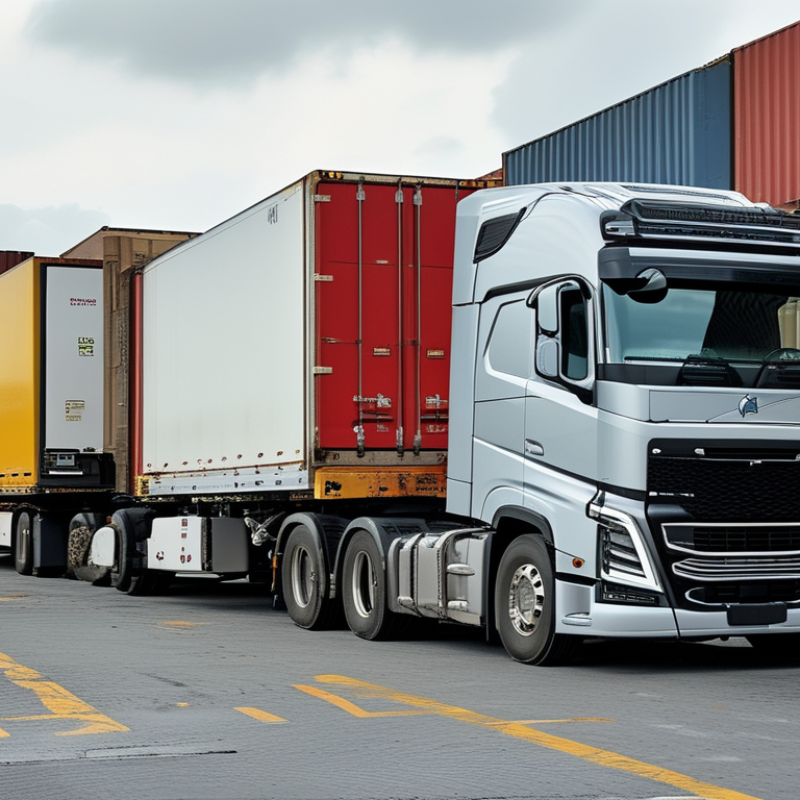
2026 FTL Overview: Trucks Move 72.6% of U.S. Freight Tonnage (ATA)
2026 Top FTL Trucking Types: What Global Buyers Should Know?
The American Trucking Associations’ American Trucking Trends 2024 reports that trucks moved 72.6% of U.S. freight tonnage. In 2022, that represented about 11.27 billion tons. The figure shows trucking’s scale, but it needs context. It measures tonnage, not shipment value or service reliability. For global buyers, full truckload shipping usually means one shipment occupies most or all trailer space. Fewer handoffs can reduce handling risks and simplify delivery planning.
Dry vans fit boxed, palletized, and general cargo. Refrigerated trucks support temperature-sensitive products, with temperature records and loading discipline becoming essential. Flatbeds handle steel, machinery, and construction materials. Step-deck trailers help with taller cargo, while tankers serve approved bulk liquids under strict equipment and transport rules. Check axle limits, dimensions, loading access, and documents before booking.
Cost reality matters. The American Transportation Research Institute’s 2024 Operational Costs of Trucking report recorded an average marginal operating cost of $2.260 per mile in 2023. Actual FTL pricing still changes with fuel, lane balance, seasonality, empty repositioning, and appointment delays. A low quote can become costly when a truck waits six hours at a loading site. Measure total landed cost, not line-haul price alone. I would not treat the 72.6% statistic as a service guarantee. It is powerful market evidence, but practical performance depends on the route and the equipment.
2026 Top FTL Trucking Types: What Global Buyers Should Know? — 2026 FTL Overview: Trucks Move 72.6% of U.S. Freight Tonnage (ATA)
| FTL Trucking Type | Typical Equipment | Approx. Usable Length | Typical Payload Range | Temperature / Protection | Common Cargo Profile | Loading Requirements | Best-Fit Use Case |
|---|---|---|---|---|---|---|---|
| Dry Van FTL | Enclosed box trailer | 48–53 ft Interior width: about 98–102 in |
Approximately 42,000–45,000 lb | Protection from weather; no active temperature control | Packaged goods, cartons, pallets, furniture, consumer products, and non-perishable freight | Usually loaded from a rear dock; freight should be palletized or secured to prevent shifting | General cargo requiring enclosed protection and broad carrier availability |
| Refrigerated FTL | Insulated trailer with refrigeration unit | 48–53 ft Interior width: about 96–101 in |
Approximately 40,000–44,000 lb | Chilled, frozen, or controlled-temperature transport; cargo temperature must be specified | Food, pharmaceuticals, flowers, chemicals, and other temperature-sensitive products | Pre-cooling, temperature instructions, product loading limits, and continuous temperature monitoring may be required | Shipments where temperature protection is more important than maximum payload |
| Flatbed FTL | Open, non-enclosed trailer | Usually 48–53 ft Deck width: about 8.5 ft |
Approximately 44,000–48,000 lb, depending on configuration and route | No weather protection unless tarped | Steel, lumber, machinery, construction materials, pipes, and oversized or irregular freight | Top, side, or rear loading; chains, straps, edge protection, blocking, and tarping may be required | Freight that cannot be loaded through standard trailer doors or needs rapid access |
| Step-Deck FTL | Two-level open trailer with a lowered deck | Usually 48–53 ft | Approximately 40,000–48,000 lb | No standard weather protection; tarping is optional where suitable | Tall machinery, industrial equipment, fabricated structures, and construction components | Specialized securement; height and axle distribution must be checked before dispatch | Taller freight that exceeds practical height limits on a standard flatbed |
| Removable Gooseneck FTL | Lowboy or detachable-neck heavy-haul trailer | Commonly 25–29 ft of well length, with overall trailer length varying | Approximately 40,000–80,000+ lb, subject to axles, permits, and route restrictions | Open equipment; weather protection is generally unavailable | Excavators, loaders, cranes, transformers, generators, and other heavy or tall equipment | Permit review, route survey, escort requirements, specialized blocking, and engineered securement may apply | Heavy or tall cargo that requires a low loading height and specialized handling |
| Tanker FTL | Bulk liquid or dry-bulk tank trailer | Trailer length varies by tank design | Approximately 40,000–46,000 lb for many liquid loads | May be insulated, heated, pressurized, or temperature-controlled depending on cargo | Food-grade liquids, fuels, chemicals, powders, and other bulk commodities | Product compatibility, tank cleaning, loading-site equipment, seals, and hazardous-material procedures may be required | Large-volume bulk shipments that do not use pallets or packaged units |
| Curtainside FTL | Trailer with retractable side curtains | Usually 48–53 ft | Approximately 42,000–45,000 lb | Partial weather protection; not equivalent to a sealed dry van | Palletized machinery, building materials, packaged products, and freight requiring side access | Side, rear, or dock loading; cargo still requires proper straps, bars, or other securement | Freight needing flexible side loading while retaining faster handling than an open flatbed |
| Conestoga FTL | Flatbed with a retractable sliding roof and side system | Usually 48–53 ft | Approximately 42,000–48,000 lb | Improved weather protection with open-top or open-side capability when required | Machinery, fabricated parts, steel products, building materials, and high-value industrial cargo | Side or top loading is possible; securement remains essential after the cover is closed | Open-deck loading flexibility combined with better protection from rain and road debris |
Related Posts
-
Top 10 Flatbed Trucks in China for Your Transport Needs?
-
2026 Best Cargo Shipping Container Options for Global Buyers?
-
2026 Best Flatbed Truck Manufacturers for Global Buyers
-

Top 10 Tips for Managing Freight Loads Efficiently to Boost Your Logistics
-
Top Tips for Succeeding in the China Trucking Business?
-
What is Logistics Trucking and How Does It Benefit Your Supply Chain?