How to Start a Trucking Business in 2026?
Starting a trucking business in 2026 requires more than buying a truck and finding loads. It demands careful planning, dependable operations, and a realistic understanding of daily costs. Fuel, maintenance, insurance, permits, technology, and driver wages can quickly reshape your budget. One repair can interrupt an entire week.
The strongest plans begin with a clear business model. Will you haul regional freight, operate long-distance routes, or serve a specialized industry? Each choice affects equipment, scheduling, customer expectations, and cash flow. Researching local demand is essential. Speak with shippers, experienced drivers, mechanics, and insurance professionals. Their practical feedback may reveal problems that online guides overlook.
Safety and compliance must guide every decision. Keep inspection records organized, maintain vehicles on schedule, and use reliable systems for dispatching, tracking, and document storage. A modern fleet may benefit from electronic logs, route planning tools, and fuel monitoring. However, technology cannot replace sound judgment. Screens do not prevent every mistake.
Be realistic about growth.
Many new owners underestimate unpaid waiting time, seasonal demand, and delayed customer payments. I have seen promising plans weaken because they counted revenue before confirming expenses. That does not mean success is impossible. It means your assumptions need testing. Build emergency reserves, review performance monthly, and improve the plan when evidence proves it wrong. With disciplined preparation and honest self-assessment, a trucking business can develop into a stable, professional operation in 2026.
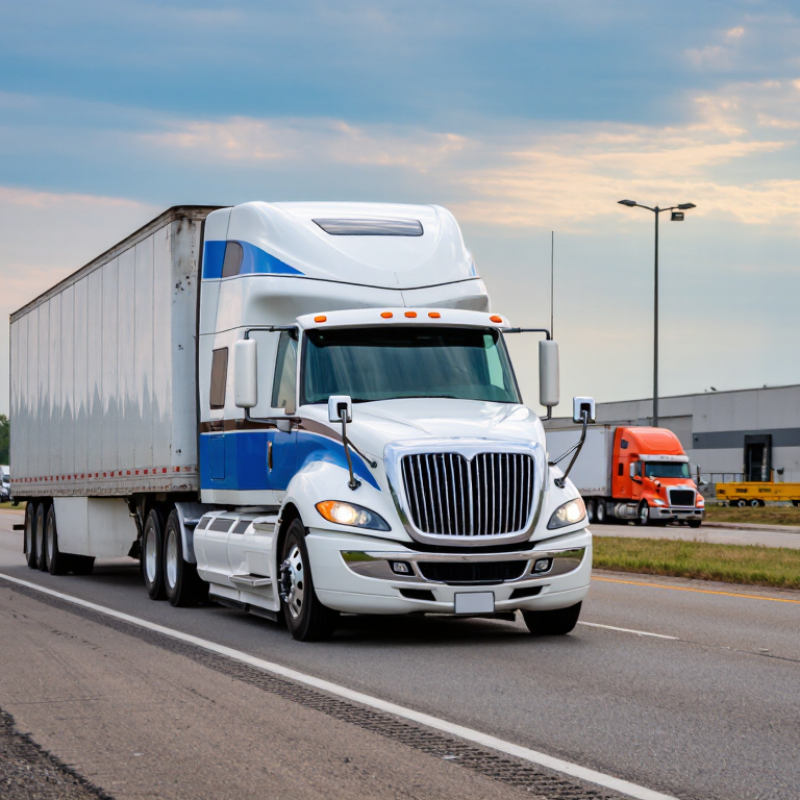
How to Start a Trucking Business in 2026: ATA’s $906B U.S. Market
How to Start a Trucking Business in 2026: A $906B U.S. Market
The U.S. trucking market is projected to reach about $906 billion in 2026. That figure signals opportunity, not guaranteed profit. New owners need a focused plan, reliable customers, and enough cash for slow payment cycles.
Choose a practical niche, such as regional dry van, refrigerated freight, or construction materials. Study lane demand before buying a truck. A busy route means little if return loads are rare.
My first budget would include the truck, registration, insurance, permits, maintenance, parking, technology, and emergency repairs. Many beginners underestimate downtime. A single transmission problem can erase several weeks of profit.
Speak with an accountant and an experienced safety consultant before operating. Confirm licensing, insurance, vehicle inspections, driver qualification records, and required operating procedures.
Keep every document organized. Professional habits build trust with shippers and lenders.
Tips:
Start with one vehicle and measure every mile. Track fuel use, unpaid invoices, repair costs, and revenue per load. Negotiate payment terms carefully. Do not accept freight that damages your margins or pushes unsafe schedules. A clean maintenance log can protect your cash flow and your reputation. My own planning would leave more reserve money than expected; optimistic forecasts often fail during the first slow month. Consider renting secure parking, even if it costs more. A stolen or damaged truck creates a painful delay.
Validate Demand: Trucks Move 72.6% of U.S. Freight Tonnage, Says ATA
Starting a trucking business in 2026 should begin with demand, not a truck purchase. Industry data reports that trucks move 72.6% of U.S. freight tonnage. That figure signals a large market, but it does not guarantee your success. Freight moves through warehouses, farms, factories, ports, and regional stores every day. Study one lane closely. Speak with shippers, brokers, and warehouse managers before spending money.
Use public freight data to identify recurring routes and cargo patterns. Ask about shipment volume, payment timing, wait times, seasonal changes, and empty return miles. A practical test is building a 90-day lane model. Include fuel, insurance, maintenance, permits, dispatch costs, parking, and taxes. Many new owners miss downtime. That mistake can damage cash flow quickly. Check current federal and state requirements before accepting contracts. Compliance is part of demand validation, not an afterthought.
Tips: Contact ten potential customers in your target area. Record their answers carefully. Ask whether they need weekly capacity or occasional coverage. Compare their needs with your planned equipment and operating range. Start with conservative revenue estimates. Leave room for repairs and delayed payments. Your first forecast may be wrong. That is useful information. Revise it before signing a lease or financing a truck. Track local construction, harvest periods, retail surges, and warehouse openings. These details can reveal demand that broad freight statistics cannot show.
How to Start a Trucking Business in 2026? — Validate Demand: Trucks Move 72.6% of U.S. Freight Tonnage
| Validation Dimension | Verified Data Point | Reference Period | What It Means for a New Carrier |
|---|---|---|---|
| Share of U.S. freight tonnage moved by trucks | 72.6% | 2022 estimate | Truck transportation is the dominant freight mode by tonnage, supporting broad demand for dependable capacity. |
| U.S. trucking industry revenue | $906.1 billion | 2023 | The market is large enough to support specialized operations, although revenue does not guarantee profitability for an individual carrier. |
| Heavy and tractor-trailer truck driver employment | Approximately 2.08 million jobs | May 2023 | A large existing labor market indicates substantial operating capacity, but recruiting and retention should be planned carefully. |
| Projected driver job growth | 4% growth | 2022–2032 projection | Demand for qualified drivers is expected to remain steady rather than expand rapidly, making service quality and utilization important differentiators. |
| U.S. retail e-commerce sales | $1.19 trillion | 2024 annual estimate | Parcel, regional, and middle-mile opportunities can benefit from continued online retail activity. |
| E-commerce share of total retail sales | 16.1% | 2024 annual estimate | A meaningful portion of retail demand is digitally generated, creating recurring transportation needs across supply chains. |
| Minimum federal public-liability coverage for many interstate for-hire property carriers | $750,000 | Current federal requirement for applicable general freight operations | Insurance is a major startup cost; the exact requirement can vary by cargo type and operation. |
| Daily driving limit under standard property-carrier rules | 11 hours of driving | Current federal hours-of-service rule | Route pricing and delivery commitments must account for legally available driving time, rest, loading, and detention. |
| On-duty window after a qualifying rest period | 14 consecutive hours | Current federal hours-of-service rule | A new carrier should model non-driving time to avoid underestimating cycle times and operating costs. |
| Weekly on-duty limit | 60 hours in 7 days or 70 hours in 8 days | Current federal hours-of-service rule | Capacity planning should include weekly limits, driver availability, maintenance downtime, and seasonal demand changes. |
Establish Legally: FMCSA Requires at Least $750,000 in Liability Coverage
Starting a trucking business in 2026 begins with legal exposure, not a truck payment. For a for-hire carrier transporting ordinary property interstate, FMCSA generally requires at least $750,000 in public liability coverage. This threshold appears in 49 CFR §387.9. It protects the public after covered crashes, but it is not a complete business plan. Your insurer must file proof with FMCSA before operating authority becomes active. Coverage requirements can change for specialized freight, so confirm your classification early.
Premiums depend on vehicle type, operating radius, driver history, claims, maintenance records, and safety controls. FMCSA’s Safety Measurement System uses inspection and crash information to identify risk patterns. Weak performance can increase scrutiny and renewal pressure. Keep electronic logs accurate. Photograph inspections. Record tire replacement and brake checks. Small details become evidence after a collision. They also help insurers evaluate your operation.
Budget beyond the $750,000 limit. The 2024 Operational Costs of Trucking report measured average costs near $2.260 per mile during 2023. Fuel, repairs, wages, and insurance can move unevenly. That figure is a planning signal, not a promise. New operators often underprice routes because they count insurance only once. That assumption deserves scrutiny. One severe claim can erase months of thin margins. Request quotes using realistic mileage, cargo, and driver experience. Review exclusions carefully. Cheap coverage can become expensive.
How to Start a Trucking Business in 2026?
Federal Minimum Public Liability Coverage
Before operating in interstate commerce, many for-hire motor carriers must maintain at least $750,000 in public liability coverage. Higher federal minimums can apply when transporting certain hazardous materials or explosives. Actual insurance requirements may be higher depending on the cargo, operation, and contractual conditions.
Build Operations: Apply the 11-Hour Driving Limit and ELD Compliance Rules
Starting a trucking business in 2026 requires disciplined hours-of-service planning. The 11-hour driving limit is a daily operating boundary. A driver may drive up to 11 hours after taking 10 consecutive hours off duty. That driving time fits within a 14-hour on-duty window. The clock does not reset during meal stops. Plan carefully.
Build dispatch schedules around legal hours, not optimistic delivery promises. Before departure, confirm the driver’s available hours, pickup duration, fuel stops, and likely traffic delays. After eight cumulative hours of driving, the driver needs a qualifying 30-minute break. A compliant electronic logging device should record driving, on-duty, off-duty, and sleeper-berth periods accurately. Drivers must review their logs and correct legitimate errors promptly. Small errors matter.
Train drivers to inspect records before moving the truck. Keep required electronic records and supporting documents for the applicable retention period. Dispatchers should never pressure drivers to exceed legal limits. When a route slips, reschedule the delivery instead of borrowing unsafe time. One weak practice is treating the ELD as paperwork only. It is also an operational warning system. Managers should review violations, unidentified driving, and repeated edits each week. Check current federal and state requirements before launching, because rules and enforcement guidance can change.
Scale Profitably: Track Cost per Mile, Utilization, Rates, and Cash Flow
How to Start a Trucking Business in 2026?
A profitable trucking business starts with numbers, not excitement. Calculate cost per mile before accepting any load. Include fuel, maintenance, insurance, permits, wages, financing, and unpaid deadhead miles. A $3.00 rate can still lose money if your total cost reaches $2.85 per mile. Track every trip weekly, not only at tax time.
Tips: Keep a simple spreadsheet. Record loaded miles, empty miles, revenue, fuel receipts, repairs, and payment dates. Review it every Friday. Watch utilization closely. A truck sitting in a yard earns nothing, even when its monthly payment continues. However, chasing constant movement can create poor rates and unnecessary wear. That balance is easy to miss.
Set a minimum rate based on your actual break-even cost, then add a profit margin. Compare that target with current lane demand and seasonal changes. Protect cash flow by keeping reserves for tires, breakdowns, and delayed invoices.
I would avoid buying another truck too quickly. One profitable unit teaches more than three stressed units. My own planning would still include a mistake buffer, because maintenance rarely follows the budget.
Review utilization, rates, and cash flow together each month. A strong revenue figure can hide weak cash. Look closer.
Related Posts
-
What is Logistics Trucking and How Does It Benefit Your Supply Chain?
-

What is FTL Trucking and How Does It Benefit Your Business?
-

How to Get an Accurate Full Truckload Quote for Your Shipping Needs?
-

Understanding FTL Trucking and Its Benefits for Your Shipping Needs
-

Top 10 Tips for Managing Freight Loads Efficiently to Boost Your Logistics
-

Essential Tips for Managing Less Than Truckload Freight Successfully