How to Get the Best Flatbed Trucking Quotes in 2026?
Flatbed freight can look simple on a rate sheet: a pickup location, a delivery address, and a price. The real shipment may involve steel beams, lumber, machinery, or another oversized load that needs careful planning. Even a few inches of extra width can affect equipment, routing, and cost. Details matter.
In 2026, strong flatbed trucking quotes start with accurate shipment information. Share the freight’s dimensions, weight, pickup and delivery windows, loading requirements, and whether tarping or special equipment is needed. A clear photo can help clarify unusual shapes or loading points. Small details, big impact.
Compare quotes that describe the same service, not just the same route. Check what the price includes, how accessorial charges are handled, and whether the carrier has experience with comparable freight. Ask how the shipment will be secured and who will coordinate loading and delivery. Get specifics in writing.
The lowest number may not reflect the full cost or service level. Yet a higher quote is not automatically better, either. I’ve seen how easy it is to overlook a missing detail when comparing rates; that is worth admitting. This guide explains what to provide, which questions to ask, and how to assess flatbed trucking quotes with practical care. A little preparation can make pricing clearer and help prevent avoidable delays.
Understanding Flatbed Trucking Quotes and the Costs They Cover
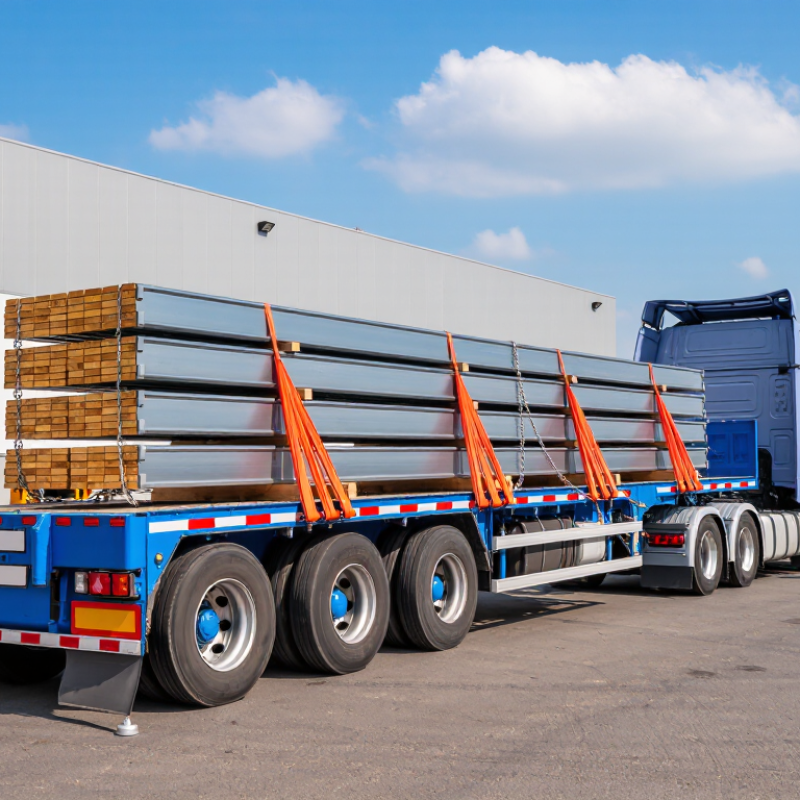
A flatbed quote is more than a price per mile. It may include pickup and delivery, fuel, mileage, and the equipment needed for your freight. The total can also change with shipment weight, dimensions, route, and timing. A load of steel beams may need different securement and handling than bundled lumber. Tarping, extra stops, or waiting time can add charges, so ask which services are included and which are billed separately.
The American Transportation Research Institute’s 2024 Operational Costs of Trucking report puts the industry’s average marginal operating cost at $2.270 per mile for 2023. This is a broad fleetwide benchmark, not a flatbed quote or a customer rate. It helps explain why distance alone cannot predict your price: carrier costs, truck availability, deadhead mileage, and route conditions also matter. Details matter. A quote can still miss the mark if cargo dimensions or tarp requirements are unclear.
Tips: Send accurate dimensions, weight, pickup dates, and delivery locations. Confirm whether tarping, loading delays, and extra stops are included. Compare quotes using the same shipment details. Small omissions can make a cheap estimate costly.
Defining Your Load, Route, and Equipment Requirements
Before requesting flatbed trucking quotes, describe the load as if the carrier cannot see it. Provide exact length, width, height, and weight, including any pallets or packaging. Note whether the weight is evenly distributed or concentrated at one end. Details matter. A machine with a low center of gravity loads differently from long steel bundles, even at the same weight. Photos and a simple loading diagram can help clarify unusual shapes.
Give the pickup and delivery locations, preferred dates, and any timing constraints. Include details that affect truck access, such as narrow gates, low branches, soft ground, or limited space for turning. A route that looks short on a map may involve steep grades or seasonal restrictions. If you are unsure about site access, say so. A quote may look precise while relying on the wrong assumption.
Specify the equipment and securement your freight needs. A standard flatbed may work for weather-resistant cargo, while a step deck can provide extra height clearance. Identify whether tarping, ramps, edge protectors, or particular tie-down points are needed. Confirm who will load and unload, and whether equipment will be available at both ends. Small omissions can change the estimate, so compare quotes using the same load, route, and service details.
Comparing Carrier Quotes on Price, Service, and Coverage
Compare each flatbed quote against the same lane, dates, shipment dimensions, and loading conditions. A low headline rate can hide accessorial charges for tarping, detention, or extra stops. The American Transportation Research Institute’s 2024 cost report put average trucking operating costs at about $2.27 per mile for 2023. That is a broad industry benchmark, not a flatbed rate, but it helps flag quotes that may not reflect real operating costs. Check current lane trends in DAT Freight & Analytics’ rate reports, too. Markets move.
Service matters at the loading dock. Ask when the carrier can provide a truck, whether tarping is included, and how it handles weather delays. For coverage, request a current insurance certificate and confirm cargo limits match the shipment’s value. FMCSA’s $750,000 minimum public-liability requirement for many interstate general-freight carriers is not cargo insurance. Keep that distinction clear. Compare written terms, not a quick phone estimate. A quote may still miss a detail. A few minutes spent checking securement equipment, pickup windows, and contact procedures can prevent expensive surprises. The comparison is not perfect: quotes may use different assumptions, so ask each carrier to price the same scenario.
Checking Carrier Credentials, Insurance, and Safety Records
A low flatbed quote deserves a closer look before you book. Ask for the carrier’s legal business name, operating authority details, and recent contact information. Verify the authority through the relevant transport regulator, rather than relying on a screenshot. Small mismatches matter. A different company name on the paperwork can complicate follow-up if a shipment is delayed.
Request a current certificate of insurance, then confirm coverage directly with the insurer or agent. Check liability and cargo limits against your freight’s value, dimensions, and handling needs. Ask about exclusions, deductibles, and whether tarps or other weather protection are covered. A certificate is useful, but it does not explain every gap. Read the policy details or ask for written clarification.
Review safety records for patterns, not just a single score. Look for recent inspection history, out-of-service trends, and corrective actions where available. Ask who will operate the truck and how the carrier handles equipment checks before loading. A clean record cannot guarantee a trouble-free trip. Neither can a polished sales call. Compare these checks alongside the quote, and keep answers in writing; honestly, it can feel like extra work, but unclear coverage is harder to fix after pickup.
Booking the Best-Fit Flatbed Carrier and Confirming the Terms
A low flatbed quote is only useful when the carrier can handle the actual load. Share the cargo’s length, width, height, weight, and loading method before comparing prices. A 12-foot steel beam and a compact machine may weigh the same, yet need different deck space and securement. Small details matter.
Ask how the carrier plans to secure the freight, and confirm who supplies chains, straps, tarps, or edge protection. Check the proposed pickup window, delivery estimate, and whether the truck can reach your loading site. Then get the full terms in writing: quoted rate, fuel charges, permits if applicable, cancellation rules, and any fees for waiting or changed dimensions. Confirm the carrier’s insurance documents and that coverage suits the cargo. Read the exclusions, not just the limit. That part is easy to skip.
A quote can look clean on screen. Real loads are messier. If a dimension is uncertain, say so and ask whether the price may change after measurement. Confirm how long the quote remains valid, too. I still find that one overlooked detail can create more trouble than a small rate difference. Keep the final agreement and load details together before dispatch.
How to Get the Best Flatbed Trucking Quotes in 2026? — Booking the Best-Fit Flatbed Carrier and Confirming the Terms
| Comparison Dimension | Details to Collect in Each Quote | Terms to Confirm Before Booking |
|---|---|---|
| Shipment information | Pickup and delivery locations, requested dates, commodity description, piece count, total weight, and loading or unloading requirements. | Check that the quote reflects the final shipment details. Report changes in weight, dimensions, schedule, or handling needs before dispatch. |
| Cargo dimensions and configuration | Length, width, height, weight per piece, total shipment weight, and whether pieces can be stacked. Identify any over-width, over-height, or over-length cargo. | Confirm which measurements the carrier used and whether permits, route restrictions, or special handling may apply to the actual load. |
| Trailer and equipment fit | Requested trailer type, such as a standard flatbed, step deck, or double-drop, plus any stated deck-length, capacity, or access requirements. | Verify that the proposed equipment can safely accommodate the cargo and that the selected trailer type is included in the quoted rate. |
| Quoted transportation rate | Total quoted price, currency, rate basis, and whether the amount covers the complete pickup-to-delivery movement or only specified transportation services. | Ask for an itemized explanation of charges and confirm whether the quote is all-inclusive or subject to additional accessorial charges. |
| Fuel and other surcharges | Any fuel surcharge, tolls, permit charges, escort costs, or other surcharges that are included, estimated, or billed separately. | Confirm how variable charges are calculated, who approves them, and whether supporting documentation will be provided when applicable. |
| Loading, unloading, and securement | Responsibility for loading and unloading, required labor or equipment, and the stated arrangements for blocking, bracing, tarping, and cargo securement. | Agree in writing on who supplies labor and securement materials, whether tarping is required, and which related services incur extra charges. |
| Pickup and delivery schedule | Pickup window, estimated transit time, delivery appointment requirements, and any stated limits on waiting time or driver availability. | Confirm appointment coordination, delay-notification procedures, and any detention, layover, or missed-appointment charges. |
| Permits and route planning | Whether the cargo dimensions or weight may require permits, an approved route, or escorts, and whether those costs are included in the quote. | Confirm who obtains required permits and authorizations and how changes caused by route restrictions or permit timing will be handled. |
| Cargo coverage and claims | The carrier’s stated cargo coverage information, applicable limits, exclusions, and the process for requesting policy or certificate details. | Review coverage details against the cargo value and shipment needs. Do not treat a quoted coverage limit as a guarantee that every loss is covered. |
| Quote validity and cancellation | Quote expiration date or time, rate-change conditions, cancellation rules, and any charges that may apply after dispatch or booking. | Accept within the stated validity period and obtain written confirmation of the final rate, cancellation terms, and any conditions that could change the price. |
| Booking confirmation | Written confirmation showing the agreed rate, shipment details, equipment, schedule, included services, and identified additional charges. | Before releasing the load, check that the confirmation matches the quote and that all exceptions, special instructions, and points of contact are documented. |
Related Posts
-
How To Get China Top Flatbed Trucking Quotes?
-

What Are the Top China Flatbed Loads for Global Buyers?
-

How to Choose the Best Flatbed Truck for Your Business Needs?
-

10 Essential Tips for Finding Profitable Flatbed Loads Easily
-
What is a Flatbed Load and How to Optimize Your Transport Efficiency
-

Why Is My Full Truckload Quote So High?