How to Move a Shipping Container Safely?

Moving a shipping container safely requires more than a truck and a strong lifting machine. Weight, ground conditions, weather, and clearance all affect the operation. A small mistake can damage the container, equipment, property, or people nearby. This guide explains how to move a container with practical safety controls and professional planning.

Before any movement, inspect the container for structural damage, loose doors, and unstable contents. Confirm its approximate weight and check whether the load is evenly distributed. Uneven cargo can shift suddenly during lifting. Keep doors secured and remove obstacles from the planned route. The ground should be firm, level, and suitable for heavy equipment. Soft soil may collapse beneath outriggers or wheels.

Use equipment rated for the container’s verified weight. Suitable options may include a container trailer, crane, side loader, or approved lifting frame. Operators should have relevant training and follow the equipment manufacturer’s instructions. Keep bystanders outside the exclusion zone. One trained person should direct the movement using clear signals or reliable radio communication. Never stand beneath a suspended container.

Weather also matters. Strong wind can turn an empty container into a dangerous sail. Rain may reduce traction and hide weak ground. Local access rules, transport requirements, and site permissions should be checked before work begins. This is not paperwork to ignore. It protects the project.

Even experienced teams can miss something. Recheck the route before lifting. Move slowly, stop when conditions change, and reassess the plan. The safest way to move a container is controlled, documented, and never rushed.
How to Move a Shipping Container Safely?

Assess the Container, Route, Site Conditions, and Legal Requirements

How to Move a Shipping Container Safely?

Assessing the container comes before choosing equipment. Confirm its gross mass from the verified shipping document, then compare it with the trailer, crane, forklift, and lifting gear ratings. Inspect corner castings, twist-lock openings, doors, floor damage, and visible corrosion. A damaged corner post can turn a routine lift into an uncontrolled drop. The CTU Code from the IMO, ILO, and UNECE stresses proper inspection, packing, securing, and handling of cargo transport units.

Route planning needs measurements, not guesses. Record bridge clearances, road widths, turning radii, gradients, overhead cables, soft shoulders, and restricted delivery hours. The 2024 World Shipping Council report recorded 576 containers lost at sea during 2023, showing how quickly poor securing can create serious consequences. Land transport has different hazards, but the lesson is similar: secure every connection and verify it again after the first movement. A map cannot reveal a buried drain.

Site conditions often decide whether the move is safe. Use a firm, level surface, keep pedestrians outside the exclusion zone, and position outriggers on suitable ground. Check wind, rain, lighting, and nearby utilities. Confirm permits, axle limits, escort requirements, lifting plans, and local road rules before dispatch. OSHA guidance requires employers to account for load weight, equipment capacity, and site hazards. Paperwork can feel excessive. It is still cheaper than repairing a failed lift. One honest weakness remains: estimates are often trusted too quickly, so a competent person should recheck critical dimensions on site.

Choose Proper Lifting Equipment and Prepare the Work Area

Moving a shipping container safely starts with choosing equipment that matches its weight, length, and lifting points. Check the container’s identification plate and confirm its actual weight before planning the lift. Do not rely on visual estimates.

Use a crane, reach stacker, or suitable lifting frame rated above the total load. Every shackle, sling, spreader beam, and hook must have a readable working load limit. Inspect them for bent parts, cuts, corrosion, or damaged latches. Replace questionable equipment. It is cheaper than repairing a damaged container.

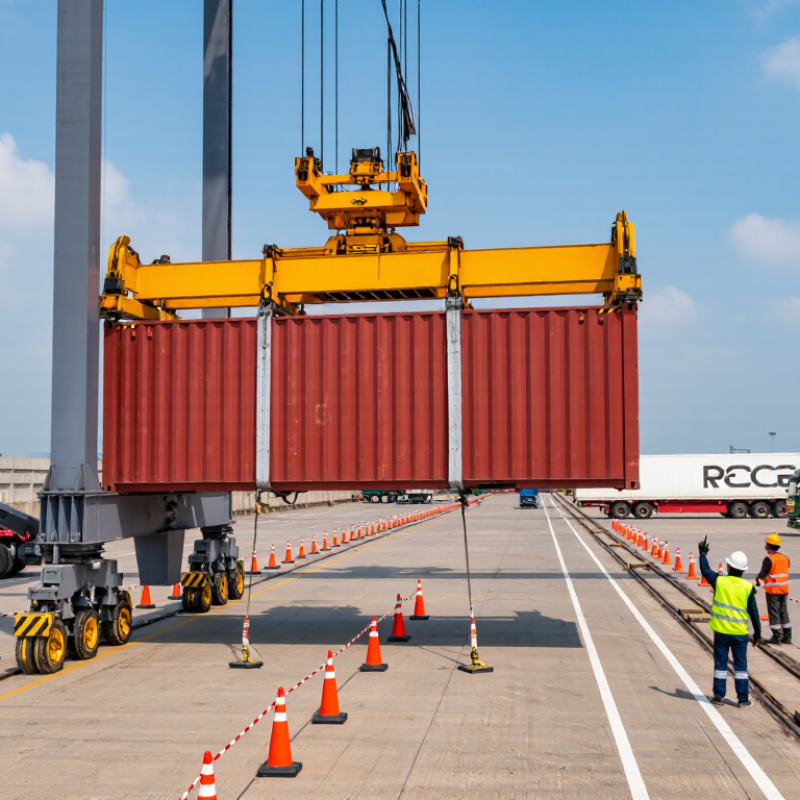
Prepare the work area before equipment arrives. The ground must be firm, level, and able to support the lifting machine. Remove loose materials, overhead obstacles, and unnecessary vehicles. Mark a clear exclusion zone around the container. Nobody should stand beneath or beside a suspended load.

Wind matters too. A container can act like a large sail. Use one trained signal person and agree on simple hand signals or radio commands. Lift slowly for the first few inches and pause. This test can reveal an uneven load, weak attachment, or unstable ground.

I have seen teams rush this stage, then discover that the container shifted several centimeters. That small movement was enough to stop the job and rethink the setup.

Safety plans should allow that pause. Conditions change, and a plan that looked suitable earlier may need adjustment.

Secure the Container and Attach Certified Lifting Gear

Moving a shipping container safely begins with controlling the load before any lifting starts. Inspect the container’s corner castings, lifting points, doors, floor, and frame for cracks, distortion, or loose parts. A damaged container may shift unexpectedly and should be assessed by a competent professional. Remove unsecured items inside, close and latch the doors, and confirm the container’s gross weight.

Use only certified lifting gear with a clear safe working load. Suitable equipment may include certified shackles, slings, and a lifting frame designed for container corner castings. Check inspection tags, pins, hooks, and sling condition before connection. Never improvise with chains, ropes, or unverified attachments. Keep sling angles within the equipment manufacturer’s limits, because shallow angles increase tension quickly.

Secure every connection. Verify that hooks face correctly and safety latches close fully. Establish an exclusion zone around the container, then brief everyone on one signal system. A qualified operator should raise the load slowly for a short test lift. Watch for tilting, slipping, unusual noise, or frame movement. Lower it immediately if anything looks wrong. Wind can turn a suspended container into a moving wall. Stop when conditions become unsafe.

A checklist reduces mistakes, but it cannot replace judgment. People sometimes trust familiar gear too much. That is where accidents begin. Recheck the setup before each lift, even when the task appears routine.

Lift, Load, and Transport the Container Under Controlled Conditions

Moving a shipping container safely begins with controlled lifting, not rushed equipment operation. Inspect the container for damaged corner castings, weak flooring, loose doors, and hidden cargo movement. Confirm its weight before choosing lifting equipment. A qualified operator should use rated lifting points, balanced slings, and a suitable spreader beam. Keep workers outside the drop zone. Never stand beneath a suspended container.

Prepare the loading area before the lift begins. The ground should be firm, level, and free from overhead obstacles. Use clear hand signals or radios between the operator and the spotter. Lift slowly, pause briefly, and check whether the container remains level. Small shifts can reveal poor sling placement. I have seen careful plans fail when uneven ground was ignored. That detail deserves more attention. During transport, secure the container with properly rated twist locks, chains, or restraints. Check the trailer deck and confirm the route has enough clearance for the container’s height and width. Drive smoothly, especially around turns, slopes, and braking zones.

Tips: Measure the route twice. Keep doors locked during movement. Remove loose objects from the roof and interior. Stop work during high winds, poor visibility, or unstable ground. Inspect restraints after the first short distance, then check them again at planned stops. Record the container condition before loading. Clear records support safer decisions when something changes.

Position, Lower, and Inspect the Container at Its New Location

How to Move a Shipping Container Safely?

Positioning the container demands a stable route, clear signals, and measured movement. Before lifting, inspect the ground for soft soil, drains, slopes, and overhead obstructions. BLS recorded 1,075 fatal injuries in construction and extraction occupations in 2023. That figure reminds us that routine handling still carries serious risks. Container movement is not a casual delivery task.

Position the transport vehicle squarely with the prepared landing area. Keep workers outside the swing zone and never beneath a suspended container. Use one trained signaler, since mixed instructions create dangerous hesitation. Lower the container slowly onto rated supports, not directly onto uneven ground. Watch each corner. A small tilt can hide a damaged base or crush a support. The International Maritime Organization stresses proper container securing and handling through its safety guidance, but site conditions still require practical judgment. I have seen teams focus on speed and miss a leaning support. That shortcut is easy to regret.

Tips: Measure the footprint before arrival. Confirm support spacing and capacity. Photograph the container before unloading. After placement, inspect doors, corner castings, roof edges, floor panels, and visible frame damage. Check that doors open without force. Look for fresh distortion, leaking contents, or unstable supports. Stop work when anything feels uncertain. A second inspection is often worth the few extra minutes. Mistakes happen, even with experienced crews. Reflecting on them improves the next move.

How to Move a Shipping Container Safely?

Position, lower, and inspect the container at its new location

Container tare weight varies by size and construction. Confirm the exact tare weight on the container safety plate before selecting lifting equipment. Position the lifting points correctly, lower the container slowly onto level supports, and inspect the corner castings, doors, roof, floor, and underside after placement.