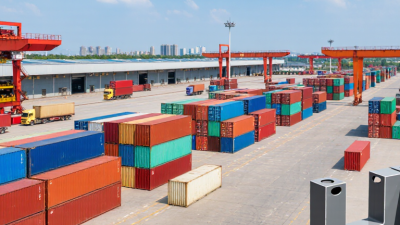
What Are the Top 10 Types of Sea Containers?
A sea container may look like a plain steel box, but choosing the wrong type can complicate loading, protect cargo poorly, or waste valuable space. The right choice depends on what must travel, how it is handled, and the conditions it will face. Transport geographer Jean-Paul Rodrigue has studied containerization and global freight systems. A fair paraphrase of his work is: “Standardized containers make transfers between transport modes more efficient.” This is a paraphrase, not a verbatim quotation.
This guide introduces ten common types: general-purpose, high-cube, refrigerated, insulated, open-top, flat-rack, platform, tank, ventilated, and side-opening containers. Each serves a different purpose. A refrigerated unit, for example, uses powered cooling to maintain a set temperature; an open-top unit allows loading from above. Details matter. A few inches of internal height, a door opening, or a unit’s rated payload can change whether cargo fits safely and practically.
The categories are useful, but real projects are rarely tidy. A container suited to one shipment may be inefficient for another, even when both carry similar goods. Specifications also vary by manufacturer and model, so verify dimensions, capacity, and operating requirements before choosing. This overview offers a starting point, not a substitute for checking the actual unit. Some distinctions overlap. That deserves a closer look.
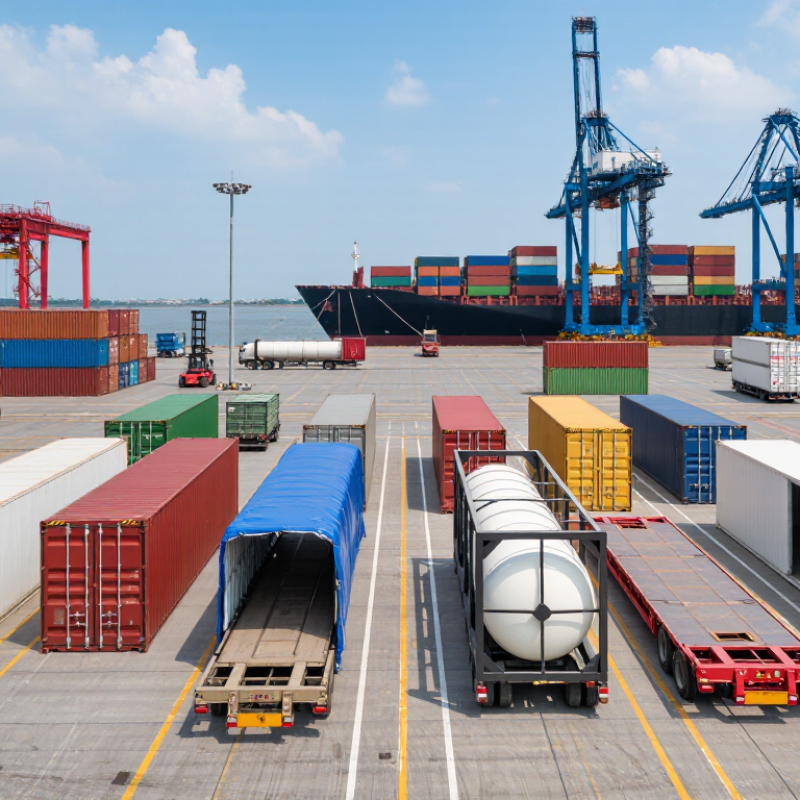
How Sea Containers Are Defined and Classified
A sea container is a reusable cargo unit designed to move between ships, trucks, and trains. Its classification depends on its structure, dimensions, and cargo-handling needs—not simply its appearance. Standardized external fittings help equipment transfer containers between transport modes, while the interior may be built for very different loads.
General-purpose containers carry boxed or palletized goods.
High-cube models provide extra vertical space.
Refrigerated and insulated units manage temperature in different ways: one actively cools, while the other slows heat transfer.
Ventilated containers allow airflow for suitable cargo.
Open-top units load goods from above, and flat racks support oversized items with little or no side structure.
Platform containers offer a flat base.
Tank containers hold compatible liquids or gases in a secured tank.
Bulk containers are designed to carry loose, dry materials.
That makes ten common types, though terminology can vary.
The right category depends on cargo dimensions, weight, loading method, and handling conditions. Check the container’s stated payload and internal measurements; external size alone can mislead. A reefer’s set temperature also does not guarantee that warm cargo will cool quickly. Small details matter. In practice, labels sometimes overlap, and “special container” is not a precise technical category. Inspect the unit’s condition and specifications before planning a shipment.
What Are the Top 10 Types of Sea Containers?
Sea containers are designed around cargo, handling, and protection needs. The ten common types are standard dry, high-cube, refrigerated, insulated, ventilated, open-top, flat-rack, platform, tank, and side-opening containers. Standard dry units carry boxed goods; high-cube versions add height for bulky loads. Refrigerated containers control temperature, while insulated units slow heat transfer without active cooling. Ventilated models allow airflow around goods that need it.
Open-top containers load oversized cargo from above, often using a crane. Flat-rack and platform containers suit heavy or unusually shaped machinery. Tank containers carry liquids in a secured tank frame. Side-opening units provide wider access for long items or easier loading. The categories overlap more than neat lists suggest. A container’s suitability depends on dimensions, payload, loading method, and cargo conditions—not just its name.
Fleet growth makes equipment choice increasingly practical. UNCTAD’s Review of Maritime Transport 2024 reported that global container fleet capacity grew 8.2% in 2023. That figure describes capacity, not the share of each container type. For a shipment, confirm internal dimensions and door openings before booking; nominally similar units can differ. A few centimeters matter. I would also check ventilation or temperature requirements with a qualified freight professional, since the wrong specification can damage cargo.
How the Ten Types Differ in Design and Capacity
What Are the Top 10 Types of Sea Containers?
How the Ten Types Differ in Design and Capacity
A standard dry container carries general cargo, with typical internal volumes near 33 cubic metres for 20-foot units and 67 for 40-foot units. High-cube versions add roughly 30 centimetres of height, raising a 40-foot unit’s volume to about 76 cubic metres. ISO 668:2020 defines key container dimensions, but actual usable space varies by manufacturer and fittings. Small differences matter.
Refrigerated containers add insulated walls and cooling equipment, reducing usable space compared with dry units. Open-top containers have removable roof covers for top loading; flat racks have end walls but no side walls. Platform containers remove the end walls, leaving a flat base for oversized loads. Tank containers hold liquids, commonly around 21,000 to 26,000 litres. Ventilated units allow airflow, while insulated units slow heat transfer without active cooling. Side-opening designs provide wider access than standard end doors.
These types trade space, access, and protection differently. A 40-foot reefer may offer around 67 cubic metres, while a tank’s liquid capacity depends on its shell design. Payload limits also vary, so volume alone can mislead. UNCTAD’s Review of Maritime Transport 2023 reported 858.1 million TEU of global container port throughput in 2022, illustrating the scale of container movements, not the capacity of any single type. I still find “capacity” confusing: cubic metres, litres, and payload tonnes answer different questions.
What Are the Top 10 Types of Sea Containers?
Approximate internal volume by container type
Internal volume indicates approximate usable space, not maximum payload weight. Actual dimensions and capacity vary by container specification and manufacturer; refrigerated units have less usable space because of their insulation and cooling equipment.
Which Cargoes Are Suited to Each Container Type
UNCTAD’s Review of Maritime Transport 2024 reports that global container port throughput reached 858.1 million TEU in 2023. Choosing the right container helps protect cargo and use space efficiently.
Moisture changes everything.
The cargo’s weight, dimensions, and handling needs matter as much as its name.
UNCTAD’s throughput figure counts port movements; it does not show how much cargo used each container type. That distinction matters.
A container’s nominal capacity is not a safe loading plan, so check payload limits and securing requirements for the specific shipment. These matches are practical guidelines, not perfect rules.
How to Choose the Right Sea Container for a Shipment
Choosing a sea container starts with the cargo, not the catalog. Measure the longest item, widest point, and highest packed load. Include pallets, bracing, and space needed for safe loading. Small oversights matter.
A standard dry container suits boxed goods and most palletized freight. A high-cube model adds vertical room for light, bulky loads. Temperature-sensitive goods may need a refrigerated container with a specified temperature and clear airflow around each carton. Check that the cargo is pre-cooled; the unit is designed to maintain temperature, not quickly chill warm goods. Check the airflow.
Long or awkward cargo may need open-top access or a flat rack. Compare usable internal dimensions, door opening, and payload, not just external length. A container’s stated capacity does not mean every shipment can use all of it; weight distribution and loading methods affect safe limits. Before booking, confirm the route, handling points, and power access for refrigerated equipment. Ask a freight professional to verify dimensions, tare weight, payload, and availability for your dates. Photos may reveal clearance issues, but they cannot replace a proper loading check. I would recheck the measurements; estimates are often optimistic.
| Container Type | Typical Configuration | Common Cargo | Choose It When | Key Considerations |
|---|---|---|---|---|
| Standard Dry Container | Enclosed 20 ft or 40 ft steel container with solid walls, roof, and doors at one end. | Packaged goods, cartons, furniture, machinery, and palletized cargo. | The cargo is dry, non-temperature-sensitive, and can be loaded through the end doors. | Confirm cargo dimensions, payload limits, and door-opening clearance. Internal dimensions vary by unit. |
| High-Cube Container | Usually 40 ft long and approximately 1 ft taller than a standard-height container. | Lightweight, bulky cargo such as furniture, textiles, and large packaged items. | Extra internal height or volume is more important than using a standard-height unit. | Check route and terminal height restrictions, as well as the container’s actual maximum gross mass. |
| Refrigerated Container (Reefer) | Insulated container with an integrated refrigeration unit; commonly available in 20 ft and 40 ft sizes. | Chilled or frozen food, pharmaceuticals, and other temperature-controlled cargo. | The shipment needs a controlled temperature throughout the journey. | Confirm the required temperature range, ventilation settings, power availability, pre-cooling needs, and cargo airflow requirements. |
| Insulated Container | Thermally insulated container without an integrated refrigeration unit. | Goods that need protection from rapid temperature changes during transit. | Thermal buffering is needed, but active cooling or heating is not required. | Insulation slows temperature change; it does not maintain a set temperature. Consider journey duration and ambient conditions. |
| Ventilated Container | Enclosed container with ventilation openings or vents to support air circulation. | Cargo that benefits from ventilation, such as certain agricultural products, coffee, or cocoa. | Air exchange is needed to help manage moisture or cargo-generated heat. | Vents do not provide precise temperature or humidity control. Check packaging and weather exposure requirements. |
| Open-Top Container | Container with a removable roof cover, commonly a tarpaulin, for top loading. | Tall machinery, scrap, timber, and cargo that is difficult to load through end doors. | Cargo must be loaded or unloaded from above, often by crane. | Check top-opening dimensions, cargo height, lashing needs, and whether the cover provides adequate protection for the shipment. |
| Flat-Rack Container | Open-sided unit with end walls; some versions have collapsible end walls. | Oversized machinery, vehicles, construction equipment, and heavy or awkwardly shaped cargo. | The cargo is too wide or tall for an enclosed container but can be secured to a flat loading platform. | Cargo may require out-of-gauge handling, special lashing, route approval, and additional transport planning. |
| Platform Container | Flat base without side walls or end walls. | Very large or heavy items, including project cargo and equipment with unusual dimensions. | Neither an enclosed container nor a flat-rack structure is suitable for the cargo shape. | Confirm load distribution, securing points, lifting method, and carrier acceptance before booking. |
| Tank Container | Tank vessel secured within a frame designed to container dimensions; many standard tank containers are 20 ft long. | Bulk liquids, including food-grade liquids and certain chemicals or gases, depending on tank specification. | The product is a liquid or gas that must travel in a suitable tank system. | Tank material, pressure rating, product compatibility, cleanliness, temperature control, and dangerous-goods rules must be verified. |
| Bulk Container | Container configured for loose, free-flowing cargo, sometimes with roof hatches or discharge openings; liners may also be used in dry containers. | Granular or powdered goods such as grain, seeds, or certain mineral products. | The cargo is loaded and discharged in bulk rather than packed into individual cartons or pallets. | Check loading and discharge equipment, dust and moisture protection, liner compatibility, and cargo weight distribution. |
| Selection note: Container dimensions, payload, fittings, and availability vary by equipment and carrier. Confirm the unit’s specifications and the cargo’s weight, dimensions, handling needs, route restrictions, and applicable safety requirements before booking. | ||||
Related Posts
-
China Top 10 Shipping Container Manufacturers
-
Top Cargo Shipping Container Manufacturers in China
-
Discover the Best Deals on Large Shipping Containers Today?
-
What Are the Best Cargo Shipping Containers in 2026?
-
How to Choose the Right Shipping Container in 2026?
-

2025 Top Trends in Large Shipping Container Use and Market Growth Data