What Are the Top Types of Large Shipping Containers?
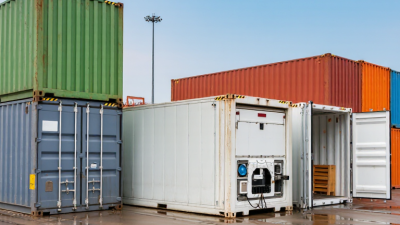
Choosing a large shipping container is not just a question of size. Cargo weight, loading method, route, and storage conditions all matter. A steel container waiting beside a warehouse may look simple, but its doors, floor, and internal height can determine whether loading runs smoothly—or becomes a costly puzzle.
Common options include standard dry containers, high-cube units, open-top containers, flat racks, and refrigerated containers. Each serves a different purpose. A high-cube unit provides extra vertical space for bulky goods. An open-top design allows overhead loading, while a flat rack accommodates oversized cargo. Refrigerated containers, often called reefers, help maintain controlled temperatures. The right choice depends on the actual cargo, not just the product name.
Container historian Marc Levinson’s work explains how standardization made freight easier to move between ships, trains, and trucks. A practical takeaway from that history is: “Choose the container to fit the cargo, handling needs, and route.” That is an editorial summary, not a direct quotation. It also points to a detail buyers can overlook: a container’s external dimensions do not reveal every useful internal measurement. Door openings, payload limits, and condition deserve careful checking.
A tidy chart helps. Reality can be messier. The following guide compares the top types of large shipping container, their best uses, and the details worth checking before selection.
How Large Shipping Containers Are Defined and Sized
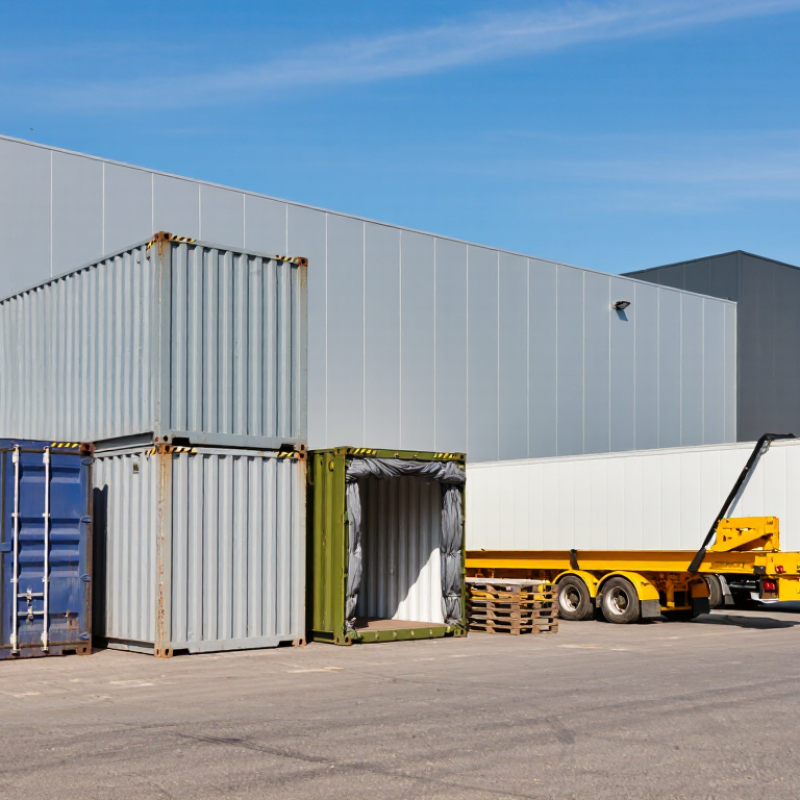
Large shipping containers are commonly described by nominal length, width, and height. The familiar 20-foot and 40-foot sizes refer to approximate external lengths, not usable floor space. Both are generally about 8 feet wide, while standard-height units are around 8 feet 6 inches tall. High-cube containers add roughly one foot of height, giving more room for bulky, lightweight cargo.
The labels can mislead. Interior dimensions are smaller because walls, corner posts, and doors take up space. A 20-foot container, for example, typically offers about 19 feet 4 inches of interior length, though exact measurements vary. Door height and width may be tighter than the interior opening. Measure the opening. That detail matters when moving pallets or tall equipment. Container size also does not tell you how much weight it can safely carry; tare weight and maximum gross weight are separate figures shown on the unit’s data plate. Before arranging a fit, check the specific container’s measurements and condition. I would not treat a catalog figure as a promise: repairs, flooring, and design differences can affect the usable space.
Standard Dry Containers for General Cargo
Standard dry containers are enclosed steel units designed for general cargo that does not need temperature control. They carry cartons, furniture, packaged materials, and many other dry goods. Common options include 20-foot and 40-foot lengths, though usable interior dimensions vary by container and construction. Check the actual measurements against your cargo, not just the listed size.
Inside, corrugated walls and a hard floor help protect goods during handling and transit. The doors have locking bars and rubber seals, but a dry container is not airtight or climate-controlled. Moisture can still build up when warm, damp cargo meets cooler surfaces. Use suitable packaging, keep goods off the floor when appropriate, and allow air to circulate where the cargo permits. Small details matter.
Before loading, inspect the roof, floor, door seals, and corners for holes, water stains, sharp edges, or lingering odors. Open and close the doors; stiff movement may signal damage or poor alignment. I would not treat a clean exterior as proof of a sound interior. A quick inspection can miss trouble, so check carefully—or ask a qualified inspector when cargo value or condition makes that worthwhile.
High-Cube Containers for Tall or Voluminous Loads
High-cube containers are designed for cargo that needs more vertical room or extra volume. A common 40-foot model stands about one foot taller than a standard container, though exact dimensions vary. That added height can help with bulky furniture, stacked cartons, or lightweight equipment that would otherwise require tighter packing. More room can mean fewer awkward gaps. It does not automatically mean a higher safe payload.
Check the interior height and door opening before loading; roof supports, flooring, and door framing reduce usable space. Measure the tallest item, including any pallet or protective wrapping. Keep heavy cargo low, distribute weight evenly, and secure items against shifting. I have seen plans look fine on paper, then fail at the doorway by a few centimeters. That is an easy detail to miss.
Tips: Ask for the container’s exact internal and door dimensions, not just its external height. Sketch the load arrangement and leave clearance for safe handling. If cargo is tall but narrow, consider how it will be braced during transport. A high-cube unit can improve fit, but it may not solve an unstable load. Check the details twice.
Refrigerated Containers for Temperature-Sensitive Goods
Refrigerated shipping containers, often called reefers, protect goods that need a controlled temperature during transit. They are used for produce, dairy, flowers, and other sensitive cargo. A reefer does not usually cool warm cargo quickly; it is designed to maintain the specified conditions. Set the temperature according to the cargo plan, not guesswork. That matters.
Airflow is just as important as the setpoint. Refrigerated containers typically move air beneath and around the load, so cartons should not block floor channels or sit above the marked loading limit. Leave space where the loading instructions require it. Before loading, check the unit’s operating status, door seals, and temperature display. A simple data logger can provide a useful record, though it cannot replace regular monitoring. Small details count.
The cargo itself should be at the correct loading temperature, unless its handling plan says otherwise. Packing warm goods and expecting the container to chill them can create uneven temperatures and strain the equipment. I would also avoid treating one setting as suitable for every shipment: different products have different needs, and mixed loads can be difficult to manage. Even careful checks have limits. A power interruption, blocked vent, or poorly arranged pallet may affect conditions without being obvious from the outside.
What Are the Top Types of Large Shipping Containers? – Refrigerated Containers for Temperature-Sensitive Goods
| Container Type |
Typical Nominal External Size |
Approximate Internal Volume |
Temperature Capability |
Suitable Cargo |
Key Consideration |
| 20-Foot Refrigerated Container |
About 6.06 m long × 2.44 m wide × 2.59 m high |
About 28 m³ |
Many units support set points from approximately −30°C to +30°C; the exact range depends on the equipment. |
Smaller consignments of chilled or frozen food, dairy products, seafood, and pharmaceuticals. |
Offers a compact load space; usable volume is lower than that of a 40-foot unit because of insulation and refrigeration equipment. |
| 40-Foot Refrigerated Container |
About 12.19 m long × 2.44 m wide × 2.59 m high |
Typically around 58 m³; specifications vary. |
Many units support set points from approximately −30°C to +30°C; verify the unit’s operating range. |
Large shipments of fresh produce, meat, seafood, and other temperature-sensitive goods. |
Provides greater floor length than a 20-foot unit, while cargo airflow still depends on correct loading and packaging. |
| 40-Foot High-Cube Refrigerated Container |
About 12.19 m long × 2.44 m wide × 2.90 m high |
Typically around 67 m³; specifications vary. |
Many units support set points from approximately −30°C to +30°C; confirm the equipment specification. |
High-volume loads such as boxed produce, chilled foods, and other cargo that benefits from additional interior height. |
The taller design can provide extra cubic capacity. Actual payload limits are subject to the container’s rating and transport regulations. |
| Controlled-Atmosphere Refrigerated Container |
Commonly available in 40-foot formats, including high-cube models. |
Depends on the underlying container size and installed system. |
Temperature-controlled; some systems also regulate oxygen and carbon-dioxide levels. |
Selected fruits and vegetables that require specific temperature and atmosphere conditions during transport. |
Atmosphere settings are cargo-specific and require suitable monitoring, packaging, and handling procedures. |
| Multi-Temperature Refrigerated Container |
Configuration and overall dimensions vary; commonly based on larger refrigerated containers. |
Varies with the container and the number and size of temperature zones. |
Separate compartments can be maintained at different set points, subject to the system design. |
Mixed loads requiring different temperature conditions, such as chilled and frozen products carried together. |
Partitions reduce available loading space, and each zone needs appropriate airflow and temperature monitoring. |
| Note: Dimensions and internal volumes are approximate industry figures. Specifications, payload, and temperature ranges vary by container design and refrigeration unit. Always check the individual unit’s data plate and cargo requirements before loading. |
Open-Top and Flat-Rack Containers for Oversized Cargo
Open-top containers replace a rigid roof with a removable cover, allowing cargo to be loaded from above. They can suit tall machinery, timber bundles, or equipment handled by crane. A load may fit through the opening yet exceed the permitted height once its supports and lifting points are included. That detail matters. Check the container’s dimensions and loading limits before arranging transport. A tarpaulin can shield cargo from rain, but it is not the same as a sealed roof. Exposed edges may still need careful protection.
Flat-rack containers have end walls and an open deck, with no long side walls. They are useful for wide or heavy items, such as construction equipment or large pipes, that cannot fit inside a standard container. Cargo needs secure lashing points and a balanced weight distribution; concentrated loads can strain the deck. Measure the full footprint, including protrusions, and confirm the planned lifting method with the carrier. Small errors in these measurements can complicate handling. In practice, a drawing may look clear while the real load has awkward attachment points, so a physical inspection is often worthwhile. Shipping plans are not always as tidy as the paperwork.