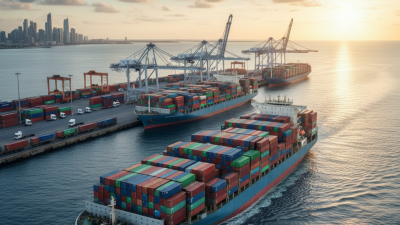
Why Are Cargo Containers So Important for Global Shipping?
A cargo container may look like a simple steel box, but it supports one of the world’s most coordinated transport systems. Standardized dimensions allow ships, trains, and trucks to move the same unit with limited repacking. A 40-foot container can leave a factory, cross an ocean, and reach a distribution center with its contents protected inside. That continuity saves time, reduces handling damage, and helps businesses plan international deliveries with greater confidence.
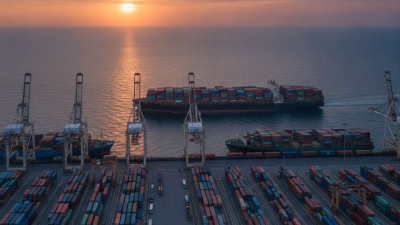
Its importance becomes clearer at a busy port. Cranes lift containers from stacked yards, while twist locks secure them to a ship’s deck. Digital tracking records transfers, inspections, temperature readings, and delivery milestones. Refrigerated containers protect food, medicines, and other temperature-sensitive goods during long journeys. Industry standards also improve compatibility between carriers and terminals, although real operations are rarely perfect. Delays, damaged seals, inaccurate data, and poor planning can still disrupt supply chains. Small mistakes matter.
The cargo container also influences warehouse design, shipping costs, and environmental decisions. More efficient loading can reduce empty space, unnecessary trips, and fuel use. However, containers themselves require steel, maintenance, repositioning, and eventual recycling. Their benefits deserve careful evaluation, not exaggerated praise. Looking at their design, handling process, security features, and global impact explains why these units remain central to modern shipping. The box is ordinary. Its role is not.
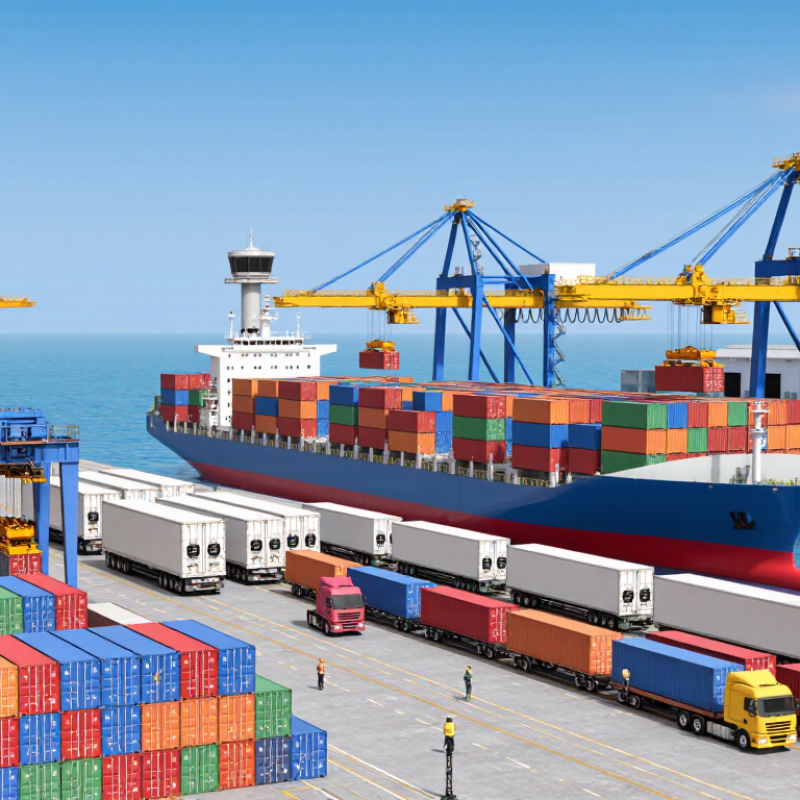
What Cargo Containers Are and How They Work
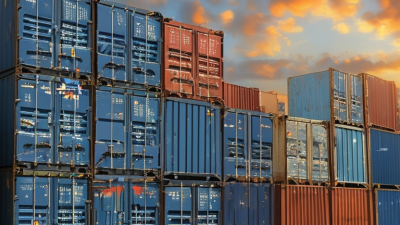
A cargo container is a strong, reusable box designed for moving goods between ships, trains, and trucks. Most general-purpose containers use weather-resistant steel and have standardized lengths, widths, and corner fittings. This shared design allows cranes and transport vehicles to handle the same box worldwide. From my experience observing freight operations, standardization often matters more than appearance. A plain container can move efficiently through several transport systems.
The container itself does not carry cargo safely without preparation. Workers inspect the interior, check the doors, and place goods according to weight and stability. Heavier items usually stay lower and closer to the center. Cargo may need blocking, straps, cushioning, or moisture protection. Small errors spread. A shifted load can damage products or affect balance during handling. Ventilated containers also use openings to control airflow, while refrigerated units regulate temperature for sensitive goods.
At a terminal, cranes lift containers by their corner fittings. Twist-lock devices secure them to ship decks, rail wagons, or truck chassis. A numbered seal helps identify whether the doors were opened during transit. Transport records connect the container with its cargo, route, and handling instructions. These controls support accountability, although paperwork can still contain mistakes. I once assumed containers were nearly maintenance-free, but inspections reveal damaged floors, worn seals, and hidden moisture. Reliable shipping depends on the box, the equipment, and careful human decisions.
How Standardized Containers Changed Global Shipping
Why Are Cargo Containers So Important for Global Shipping?
Standardized containers changed global shipping by giving cargo a common physical language. A box can move from a factory floor to a truck, rail wagon, and vessel without being unpacked. This simple design reduces handling time and protects goods from rain, dust, and repeated lifting. Standard dimensions also let ports plan cranes, storage yards, and transport schedules more accurately. In practical operations, a container’s corner fittings matter as much as its steel walls. They allow equipment to lift and stack boxes safely. Small details create large efficiencies.
Standardization also lowered shipping costs by making transport more predictable. Ports can process more cargo with fewer manual movements. Digital records now connect container numbers, locations, and inspection points. However, the system is not perfect. Delays still occur when containers gather unevenly across regions. Empty boxes may wait in one port while another area lacks equipment. I think the industry sometimes treats standardization as a complete solution. It is not. Weather, labor shortages, congestion, and poor data can still disrupt carefully planned routes.
Tips: Choose suitable container sizes and confirm internal dimensions before loading. Distribute weight evenly across the floor. Protect sensitive cargo from moisture and temperature changes. Check seals, labels, and condition records at every handover. Clear documentation helps, but careful physical inspection remains essential. Mistakes happen. Simple checks prevent expensive ones.
Why Containers Improve the Speed and Efficiency of Trade
Why Are Cargo Containers So Important for Global Shipping?
Containers improve trade speed because they standardize cargo handling. A sealed steel box moves from ship to crane, rail wagon, or truck with fewer manual transfers. According to UNCTAD’s Review of Maritime Transport 2024, maritime trade reached about 12.3 billion tons in 2023. More than 80% of global merchandise trade by volume travels by sea. This scale makes every saved minute valuable. Standard dimensions also let ports plan cranes, storage yards, and transport connections with greater accuracy. Less handling usually means fewer delays, lower damage risk, and more predictable delivery schedules. The process is not flawless.
The World Bank’s Container Port Performance Index 2023 examined 405 container ports by measuring vessel time in port. Its results showed a wide gap between the fastest and slowest port calls. Some ships completed operations in roughly one day, while others remained for several days. That difference affects fuel use, inventory planning, and factory production.
Containers also support intermodal transport, so cargo can continue inland without being unpacked at each border or terminal. Yet a container may still wait because of congestion, weather, customs checks, or poor rail capacity. Standardization improves the system, but it cannot repair every weak connection. Ports need accurate data and disciplined coordination. Small failures still create large costs.
How Cargo Containers Protect Goods During Long-Distance Transport
Cargo containers protect goods by creating a controlled barrier around them. Their steel walls resist rain, salt air, dust, and sudden temperature changes. A sealed container also reduces unnecessary handling during transfers between ships, railways, and trucks. Fewer touches usually mean fewer dents, tears, and misplaced cartons.
Good protection starts before the container leaves the warehouse. Workers inspect the floor, doors, roof, and locking points for damage. They place cartons on pallets and keep them away from wet surfaces. Strong lashing prevents movement when waves or sharp braking create heavy forces. Desiccant materials can absorb moisture, but they cannot fix poorly dried cargo. This detail is often underestimated.
Temperature-sensitive goods need more than thick walls. Insulated interiors, ventilation planning, and continuous monitoring may be necessary. A small temperature rise can damage food, medicine, or delicate equipment. Shock indicators can reveal impacts that workers cannot see. They are useful, but not perfect. A reading may show an event without explaining exactly what happened. That is why loading records, photographs, and seal checks remain important. In practice, even a well-designed container depends on disciplined packing. One empty space can let a heavy box slide several centimeters. That movement may crush lighter packages nearby. Safety procedures also require clear weight distribution, accurate documentation, and careful inspection at every handoff.
Why Are Cargo Containers So Important for Global Shipping? - How Cargo Containers Protect Goods During Long-Distance Transport
| Data Dimension | Typical Data or Specification | How It Supports Global Shipping and Cargo Protection |
|---|---|---|
| Standard container length | 20 ft: 6.058 m external length; 40 ft: 12.192 m external length | Standardized sizes allow containers to move efficiently between ships, trains, and trucks without repacking the cargo. |
| Standard external width | Approximately 2.438 m | A common width supports predictable loading plans, stacking arrangements, and compatibility with intermodal handling equipment. |
| Standard external height | Approximately 2.591 m; high-cube containers are approximately 2.896 m high | The additional height of a high-cube unit provides more cubic capacity for lightweight or bulky goods while maintaining the same basic handling concept. |
| Internal cargo volume | 20 ft: about 33 m³; 40 ft: about 67–68 m³; 40 ft high-cube: about 76 m³ | Large enclosed volumes help consolidate many packages into one protected handling unit and reduce repeated loading and unloading. |
| Typical maximum gross mass | Often up to 30,480 kg, subject to container rating, route rules, and local regulations | A defined weight rating supports safe stacking, lifting, vessel planning, and inland transportation. |
| Typical payload capacity | Approximately 26–28 tonnes, depending on container tare weight and applicable transport limits | High payload capacity makes it practical to transport dense commodities and large consignments over long distances. |
| Primary construction material | Corrosion-resistant steel body with reinforced corner posts and structural frame | The rigid structure resists impacts, stacking loads, and handling stresses during maritime, rail, and road transport. |
| Weather protection | Enclosed walls, roof, sealed doors, and raised floor designed to limit exposure to rain, spray, dust, and sunlight | The enclosed environment helps reduce water damage, contamination, corrosion, and deterioration caused by outdoor exposure. |
| Door security | Two-leaf steel doors with multiple locking bars; tamper-evident seals are commonly applied | Secure doors and recorded seals help deter unauthorized access and provide evidence if a shipment has been opened. |
| Stacking capability | Containers are designed to transfer vertical loads through reinforced corner posts and corner fittings | Stacking capability saves vessel and terminal space while helping protect cargo from crushing forces when correctly loaded. |
| Handling points | Standard corner fittings allow lifting, securing, and transferring with specialized equipment | Fast mechanical handling reduces manual contact, lowering the risk of drops, punctures, misrouting, and handling damage. |
| Intermodal transfer | The same sealed container can travel by ship, rail, and truck | Cargo does not normally need to be unloaded at every transport change, reducing handling time, labor, theft exposure, and damage risk. |
| Cargo restraint needs | Blocking, bracing, straps, airbags, pallets, and dunnage may be required according to cargo type | Proper restraint limits shifting caused by vessel motion, braking, acceleration, vibration, and uneven road surfaces. |
| Moisture-control measures | Ventilation, moisture absorbers, vapor barriers, and moisture-resistant packaging may be used when necessary | Additional controls help reduce condensation, mold, corrosion, and packaging deterioration during long or changing climate conditions. |
| Temperature-sensitive cargo | Refrigerated containers can actively control temperature, humidity, and ventilation within specified operating ranges | Active climate control helps preserve food, pharmaceuticals, chemicals, and other goods that can be damaged by temperature changes. |
| International safety compliance | Containers used in international transport require a valid safety approval plate under the International Convention for Safe Containers | Safety markings identify permitted stacking, lifting, and operating conditions, supporting safer global handling. |
| Cargo visibility and tracking | A unique container identification code and shipment documentation accompany the sealed unit | Consistent identification improves inventory control, customs processing, routing accuracy, and chain-of-custody management. |
| Main protection limitation | A standard dry container is not automatically waterproof, temperature-controlled, or suitable for every cargo type | Correct container selection, inspection, packing, ventilation, and weight distribution remain essential for safe delivery. |
Note: Dimensions and capacities are typical values for internationally used ISO containers. Exact specifications vary by container design, tare weight, operating condition, and local transport regulations.
The Challenges and Future Developments of Container Shipping
Why Are Cargo Containers So Important for Global Shipping?
Cargo containers make global shipping predictable, stackable, and faster to handle. A standard box can move between ships, trains, and trucks with fewer cargo transfers. This reduces damage, labor needs, and handling time. In busy ports, minutes matter. Small delays multiply. Yet container shipping faces serious pressure. Port congestion can leave boxes waiting for days, while empty containers collect in one region and remain scarce in another. Weather disruptions, aging infrastructure, and rising fuel costs add further uncertainty. Containers also require regular inspections because saltwater, rust, and rough handling can weaken doors or floors. One overlooked defect may interrupt an entire delivery chain.
Future development will depend on practical technology, not impressive slogans. Sensors may monitor temperature, humidity, location, and shocks during transit. Better data sharing could help ports predict arrivals and reduce idle equipment. Automated cranes may improve safety, but they still need trained workers and reliable maintenance. Low-emission vessels and cleaner port equipment could reduce shipping’s environmental burden. However, digital systems create new risks, including outages and cyberattacks. A smart container is not automatically a useful one. Standards must remain compatible across countries and transport networks. That remains difficult.
Tips: Choose containers after checking cargo size, weight, ventilation, and route conditions. Inspect floors, seals, and doors before loading. Keep accurate records of handovers and delays. Leave room for unexpected weather or port disruption. Perfect planning is impossible. Careful planning still helps.
Related Posts
-
What is a Sea Container and How is it Used?
-
2026 Best Freight Container Options for Global Buyers?
-
China Top 10 Sea Container Manufacturers to Buy From
-
Top 10 Suppliers of Empty Containers for Global Buyers?
-
2026 How to Choose the Right Freight Container for Your Shipping Needs?
-
Why Are Cargo Containers Essential for Global Trade and Shipping?